Made in Communist Poland

We start at home. Between 1945 and 1989 Poland was a communist state, the PRL, and buying a car meant years on a waiting list. These are the cars the whole country drove to work, to the beach and to the in-laws, the Polish equivalent of a Chevy in every driveway.
The Syrena 105, last of the Syrena line, built in Bielsko-Biała until 1983
The Syrena 105, last of the Syrena line, built in Bielsko-Biała until 1983. Three cylinders, two-stroke, 51 cubic inches and about 40 horsepower, and you mixed the oil right into the gas. In 1960 Poland even built a Syrena Sport with a fiberglass body. It never reached production, and the prototype vanished under circumstances nobody has fully explained. The yellow plates mark a registered historic vehicle, Poland’s version of antique tags.
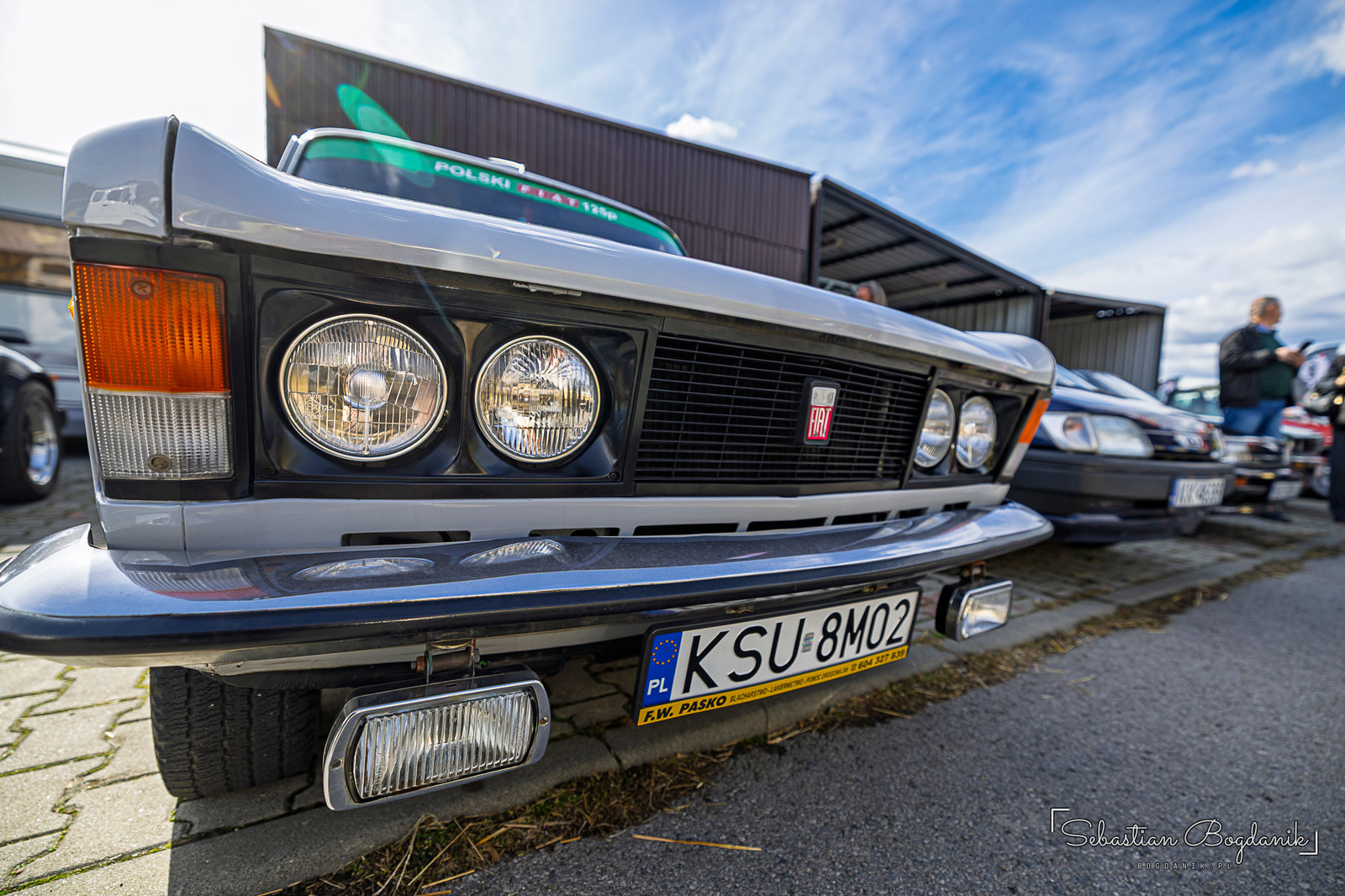
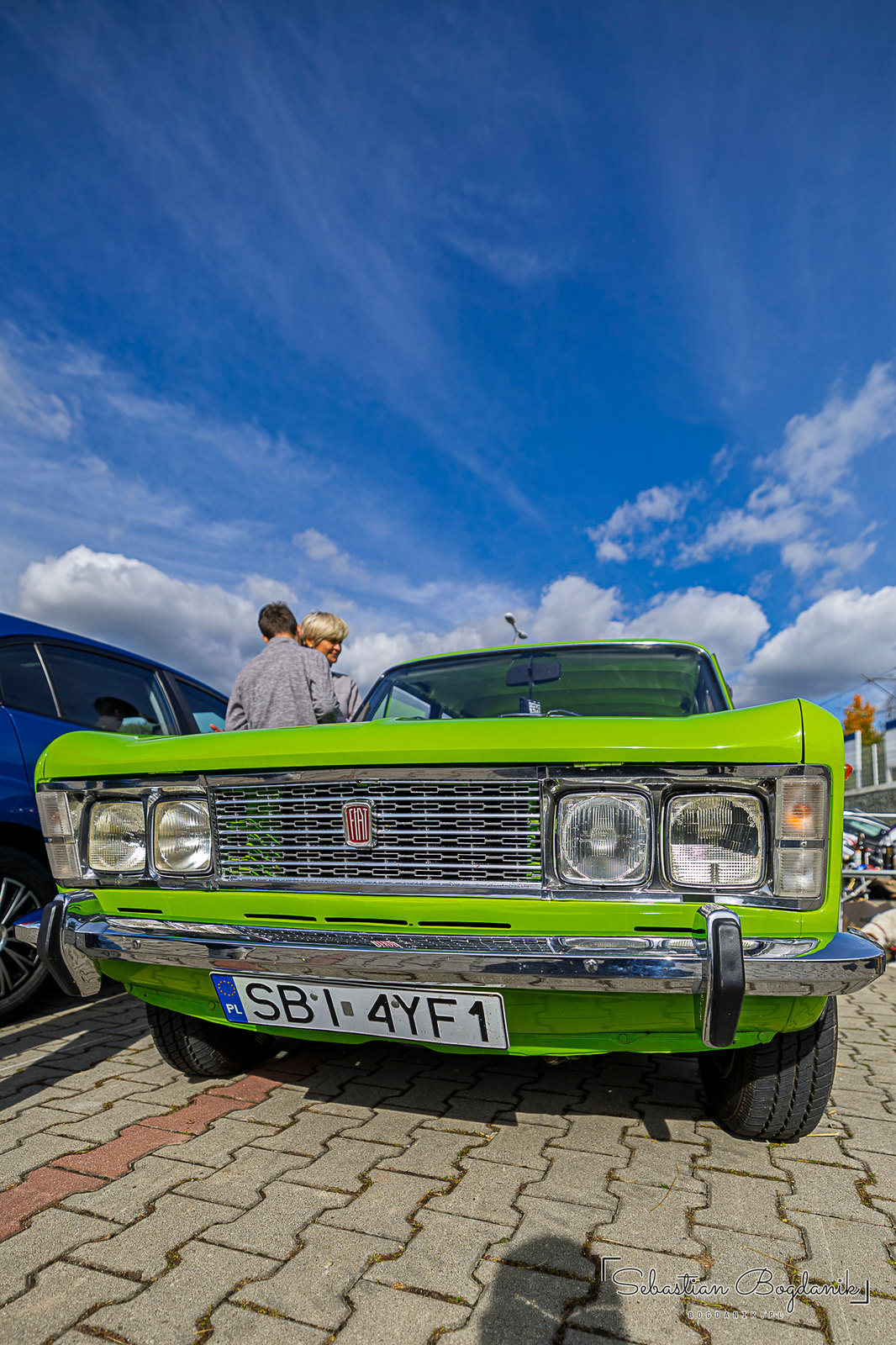
The Polski Fiat 125p, a Fiat design built under license in Warsaw and the family sedan of 1970s Poland (1/2)
The Polski Fiat 125p, a Fiat design built under license in Warsaw and the family sedan of 1970s Poland (2/2)
The Polski Fiat 125p, a Fiat design built under license in Warsaw and the family sedan of 1970s Poland. In 1973 a team of Polish drivers set world endurance records with it on a stretch of highway near Wrocław: 25,000 kilometers, 25,000 miles and 50,000 kilometers at an average of about 86 mph, around the clock for more than two weeks, broadcast on national TV. The green one wears the 1975 facelift with chrome bumper guards; the other has a green sun strip that proudly reads POLSKI FIAT 125p.
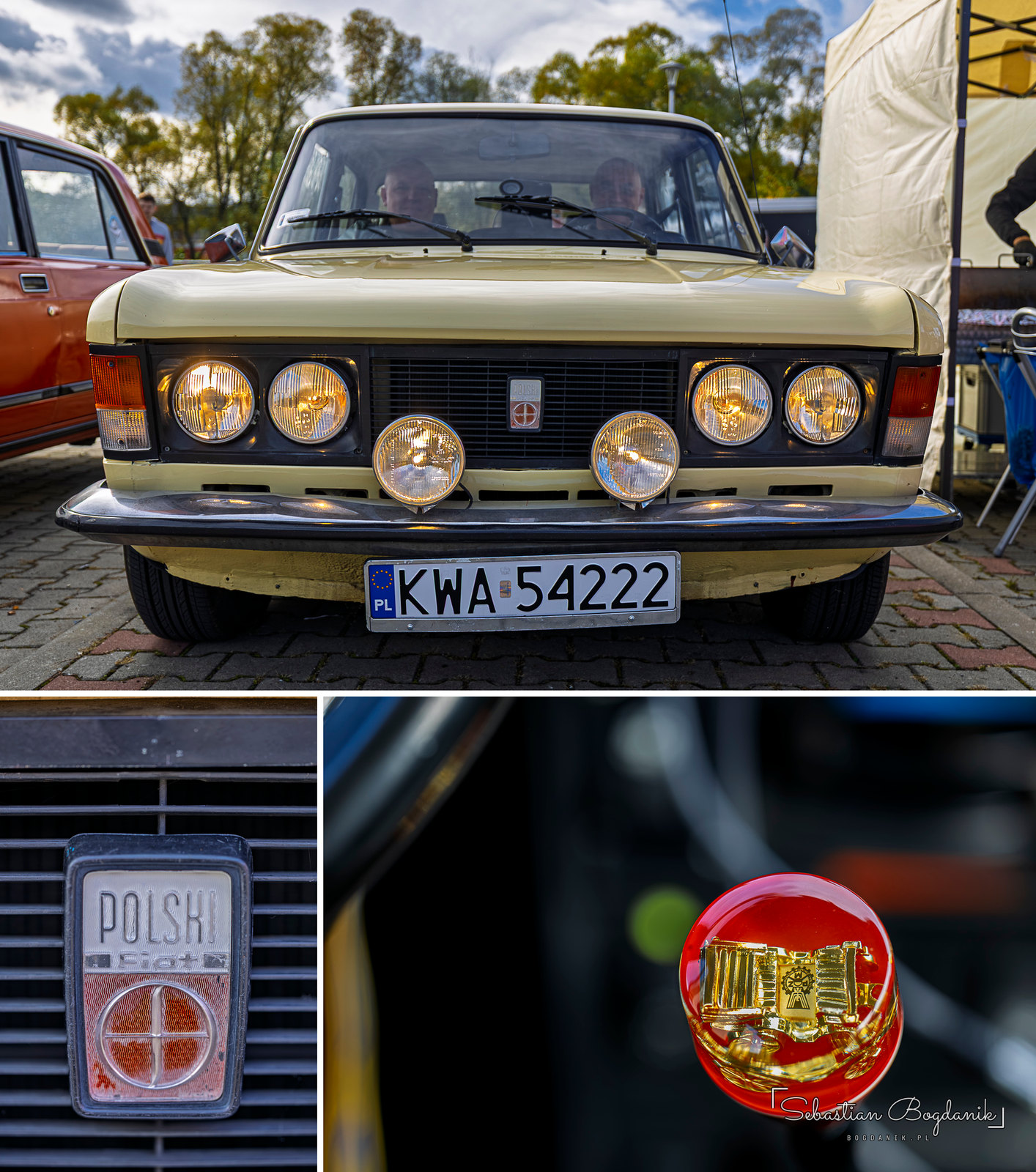
Another 125p, this one with a row of extra round lamps
Another 125p, this one with a row of extra round lamps. The owner insists they are genuine period sport lights. Plus the badge every Polish driver knew by heart for a quarter of a century, and a red shift knob.
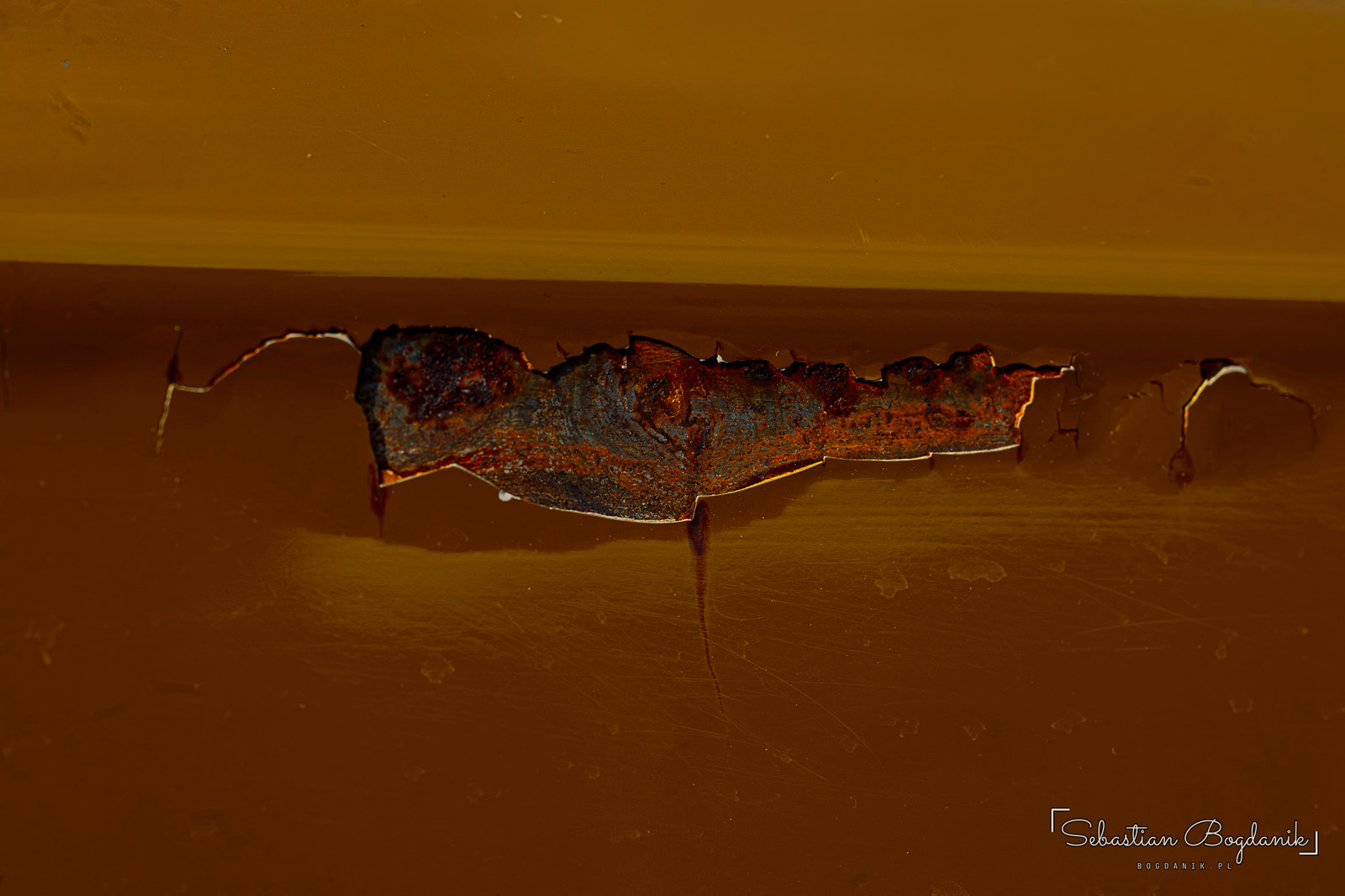
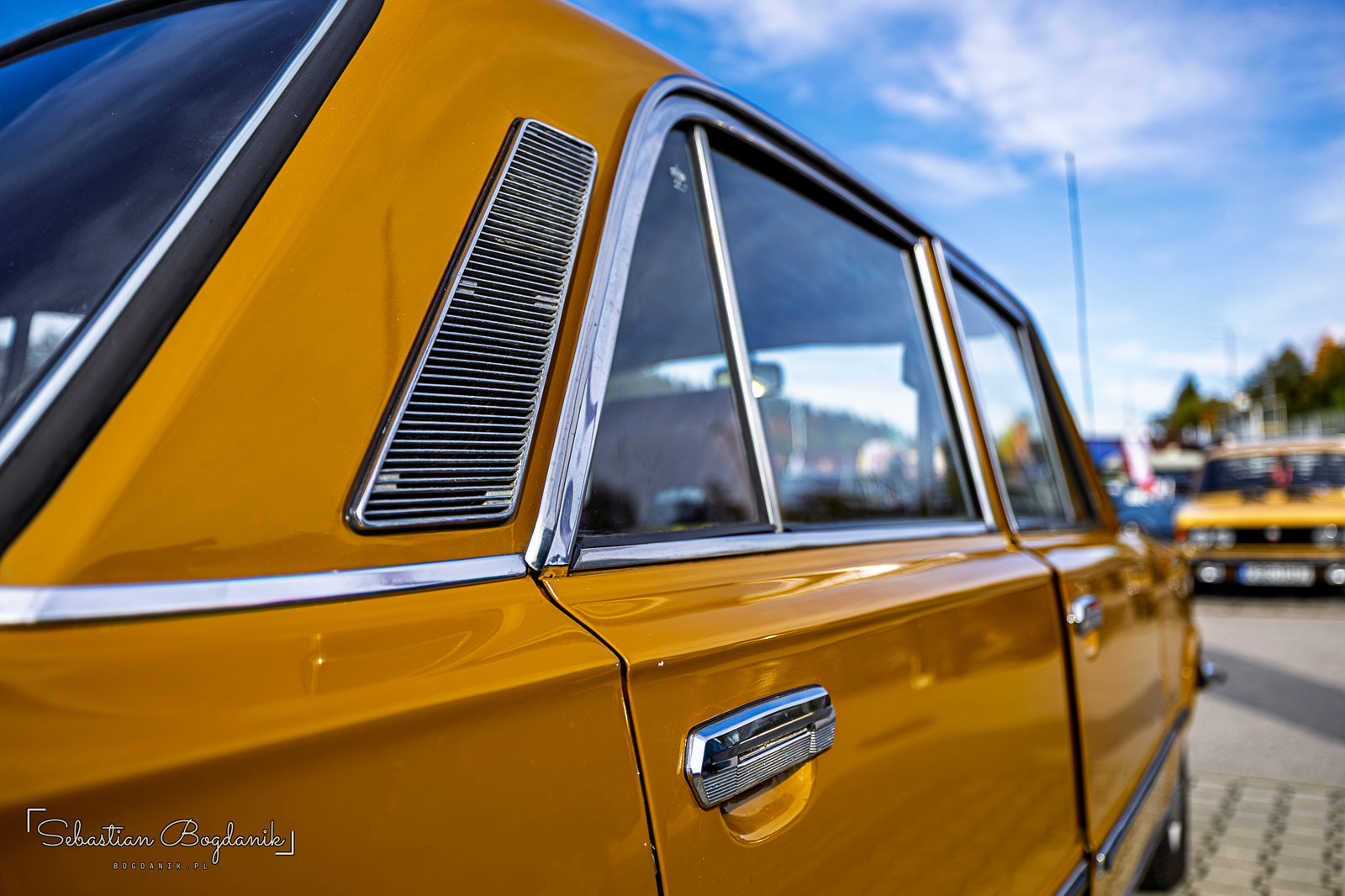
Patina, Polish style: rust blooming where a badge used to be, and the chrome vent “gills” on the rear pillar (1/2)
Patina, Polish style: rust blooming where a badge used to be, and the chrome vent “gills” on the rear pillar (2/2)
Patina, Polish style: rust blooming where a badge used to be, and the chrome vent “gills” on the rear pillar. Nothing fake about this one.
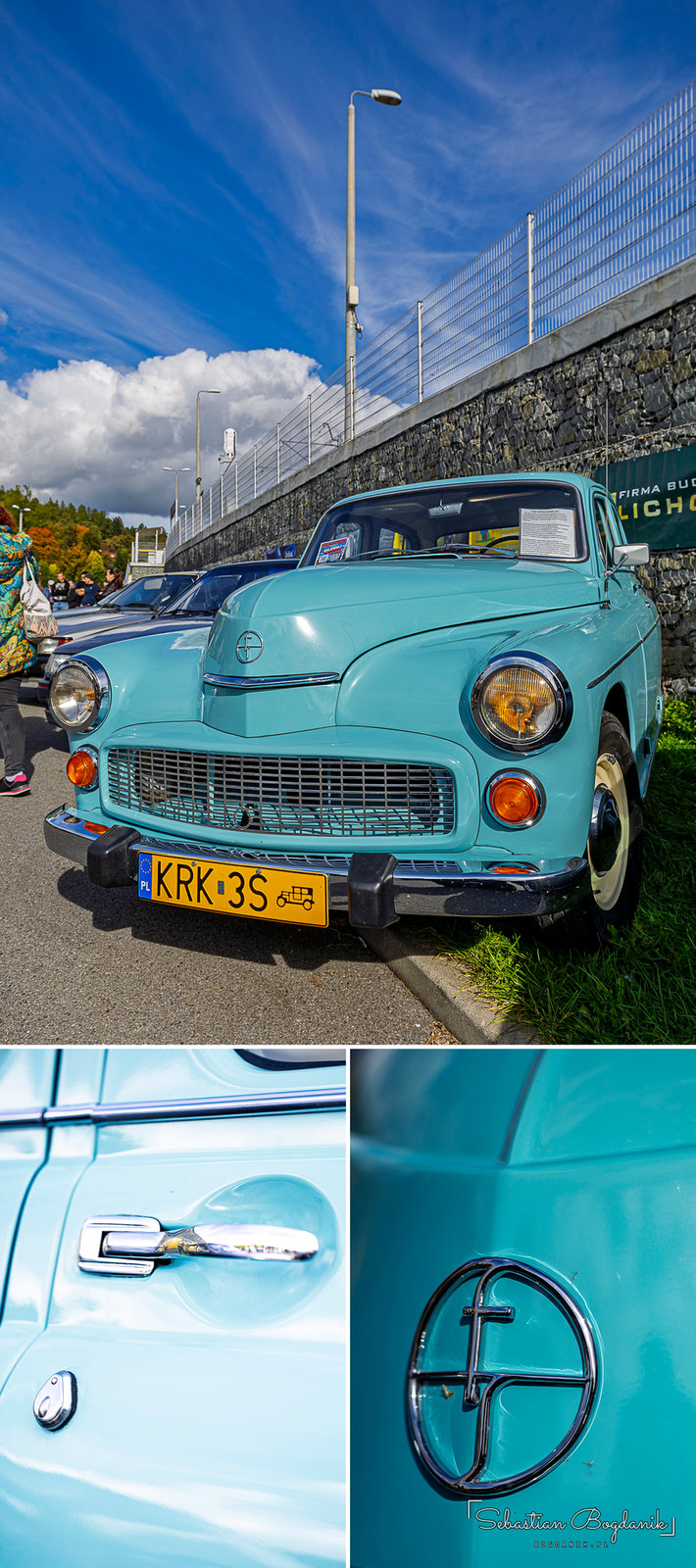
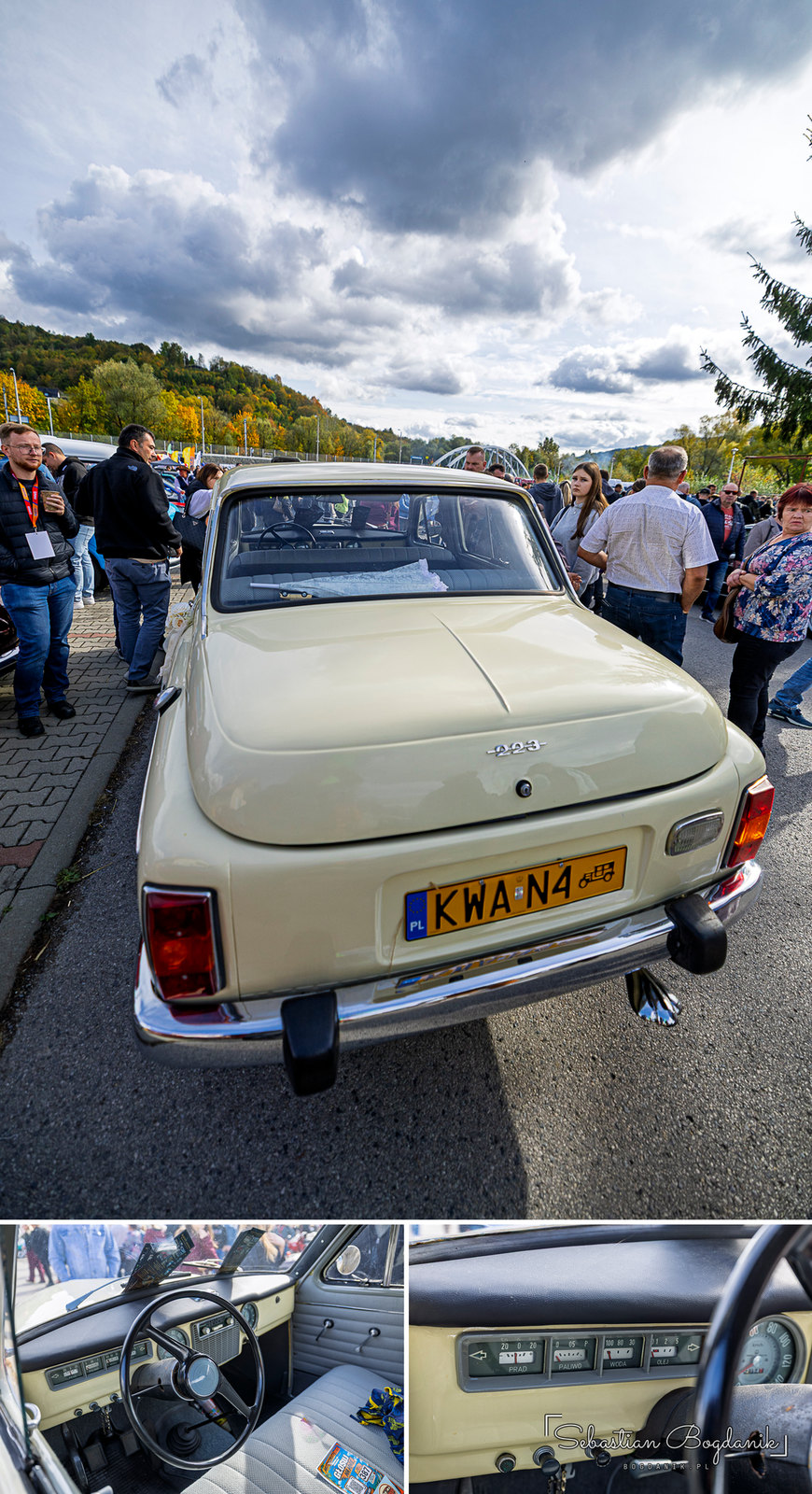
The FSO Warszawa 223, as the sign in its window says
The FSO Warszawa 223, as the sign in its window says. The Warszawa was the first passenger car built at the FSO plant in Warsaw: the first one rolled off the line on November 6, 1951, built under license from the Soviet Pobeda, and production ran until 1973. Chrome door handle, round badge, showroom fresh.
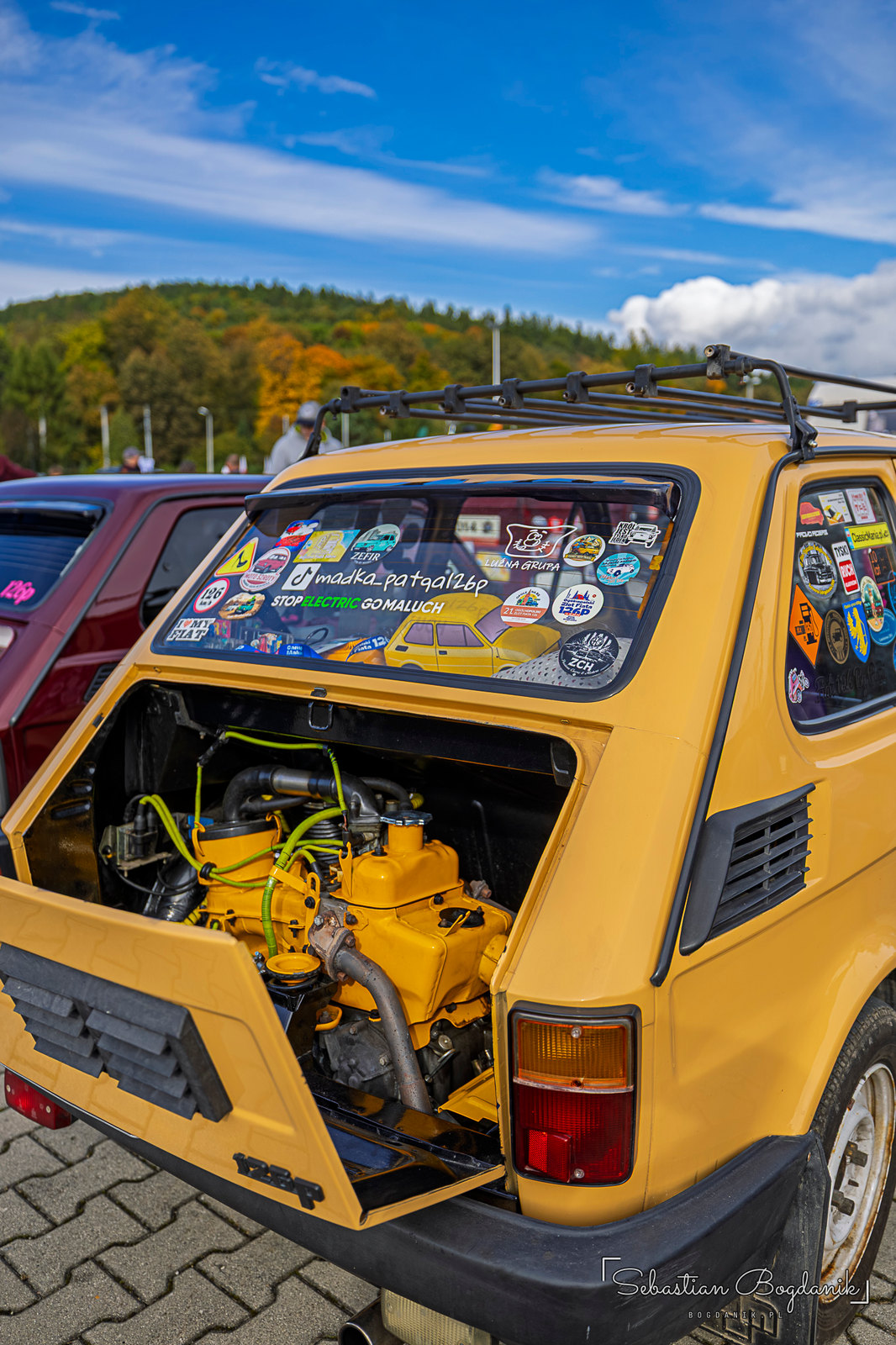
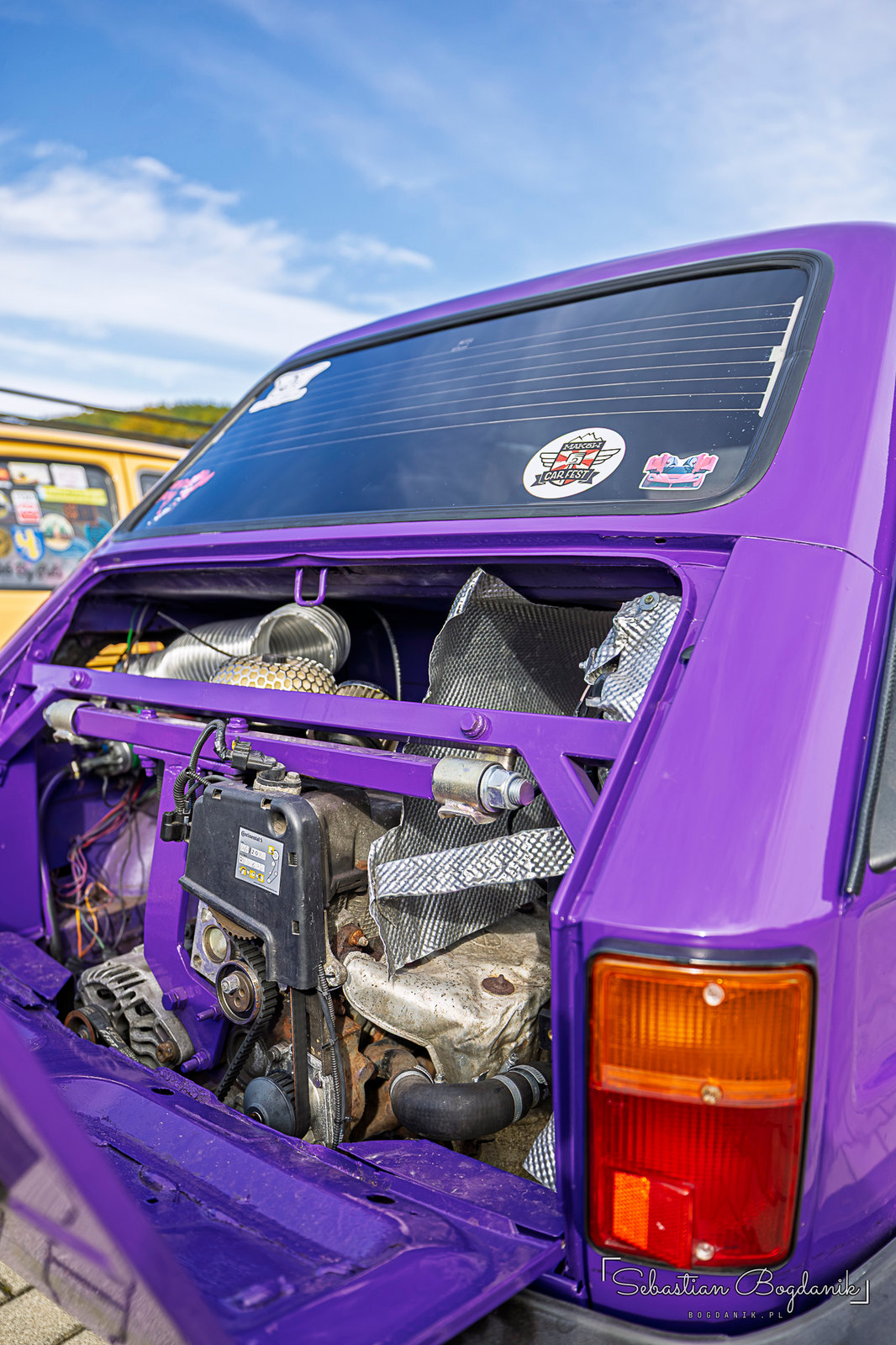
Meet the maluch, “the little one,” Poland’s answer to the VW Beetle: the Fiat 126p, built in Poland from 1973 to 2000 and the first car for (1/2)
Meet the maluch, “the little one,” Poland’s answer to the VW Beetle: the Fiat 126p, built in Poland from 1973 to 2000 and the first car for (2/2)
Meet the maluch, “the little one,” Poland’s answer to the VW Beetle: the Fiat 126p, built in Poland from 1973 to 2000 and the first car for millions of families. Two of them, two philosophies. The yellow one carries the factory two-cylinder out back. The purple one got a heart transplant from a very different stable: fewer ponies, more horses.
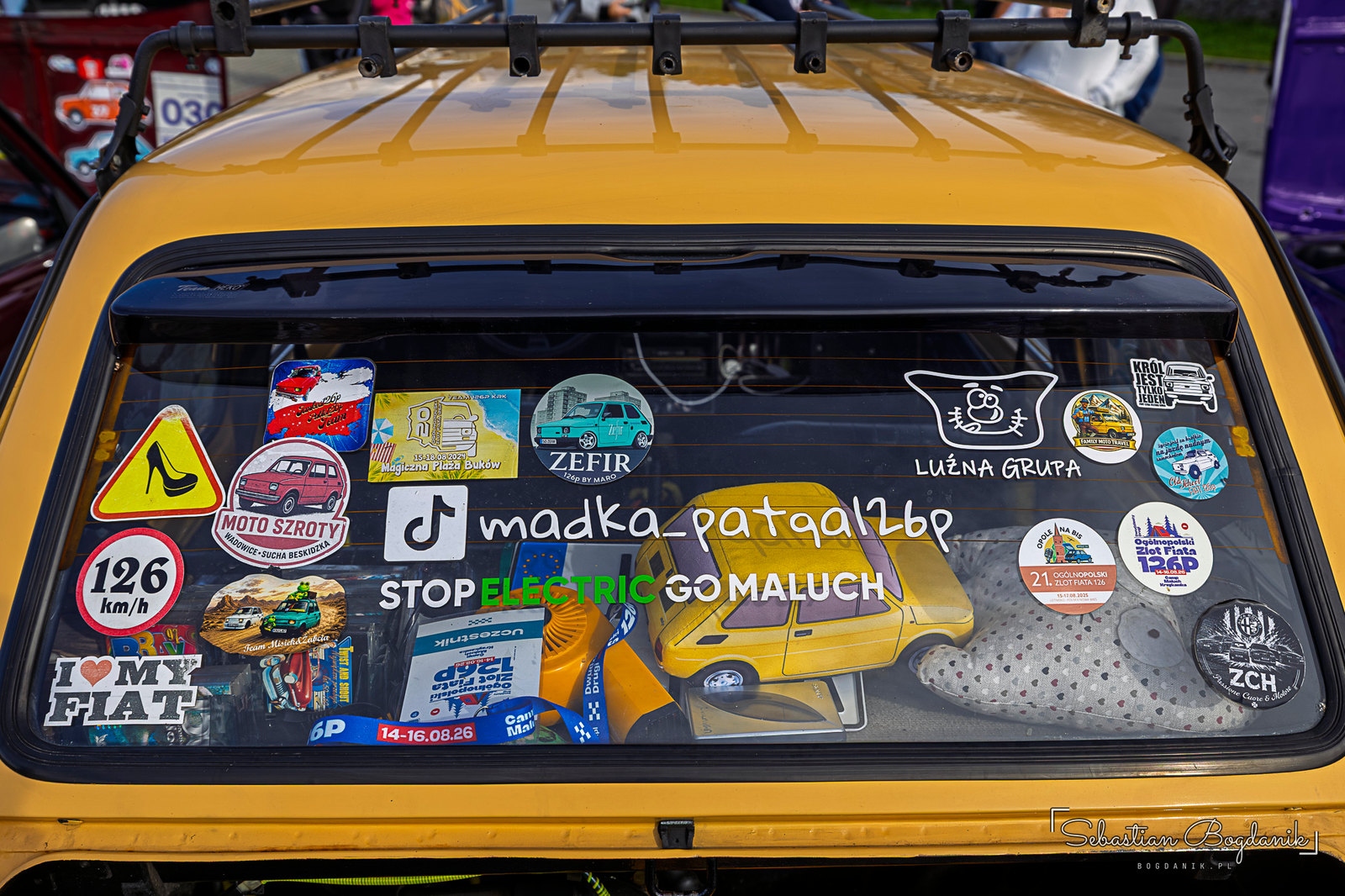
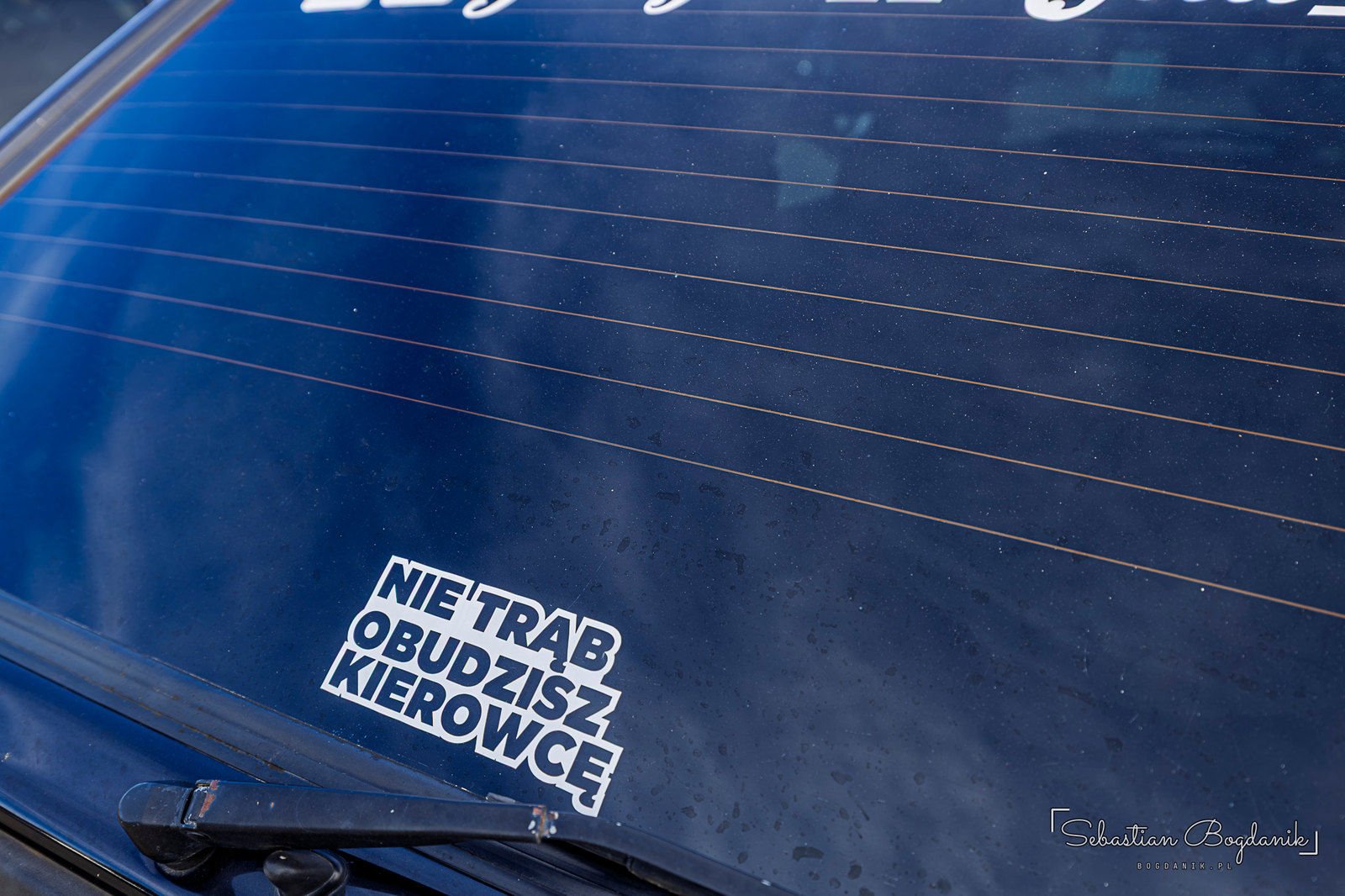
Maluch philosophy in bumper-sticker form (1/2)
Maluch philosophy in bumper-sticker form (2/2)
Maluch philosophy in bumper-sticker form. One rear window says “STOP ELECTRIC, GO MALUCH,” the small-car answer to that Mustang. The other politely asks: “Don’t honk, you’ll wake the driver.”
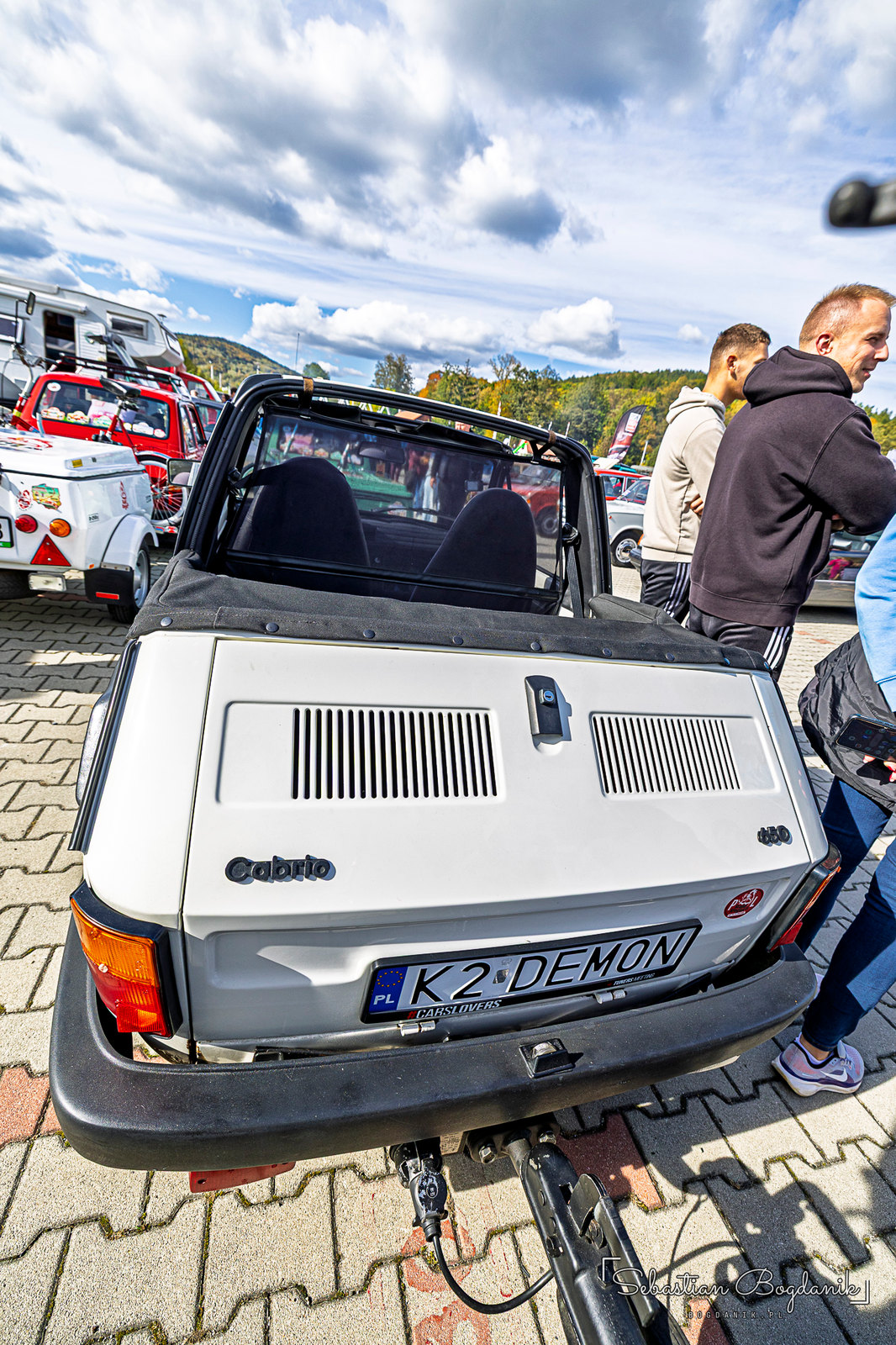
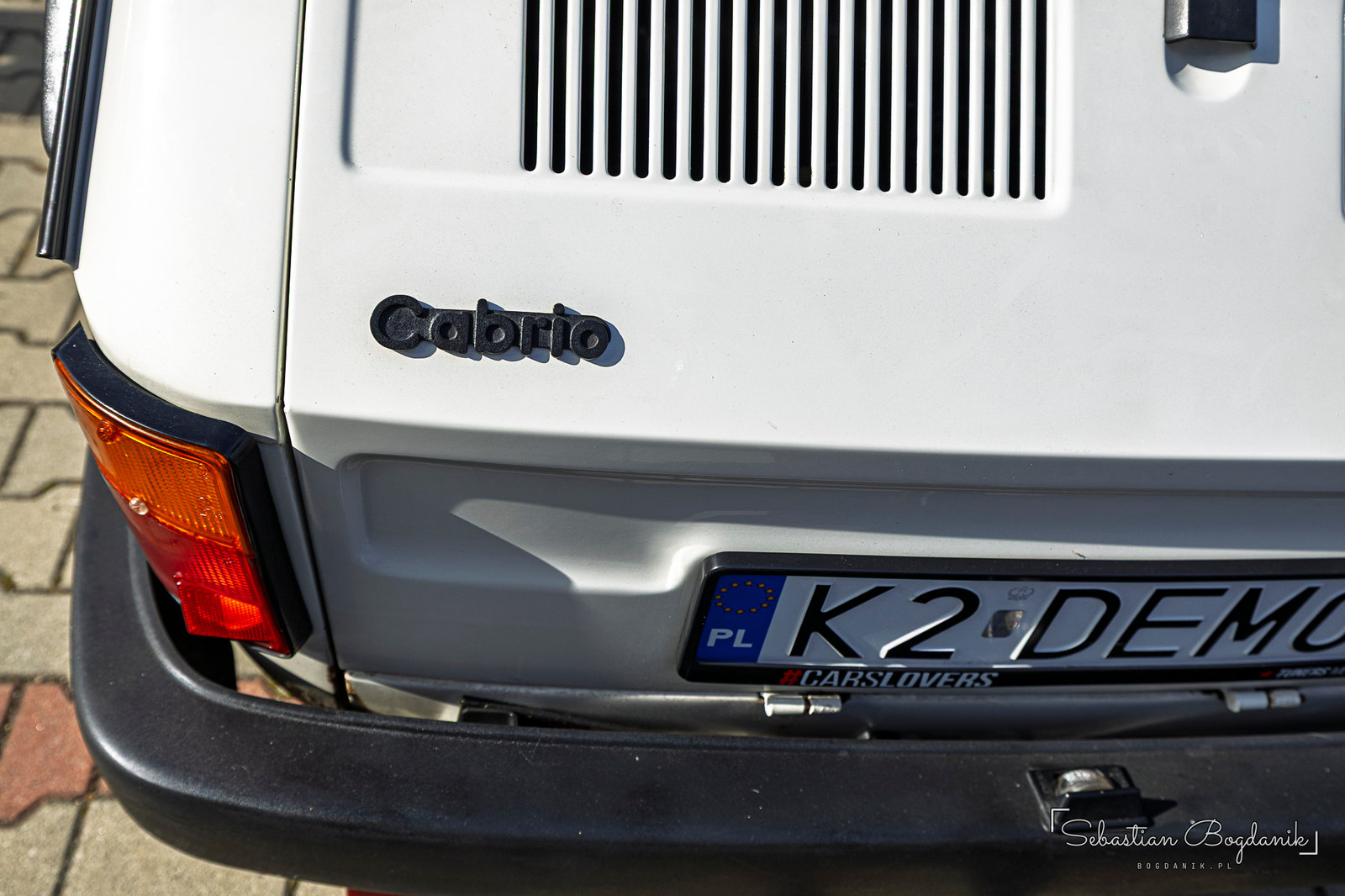
A maluch with a “Cabrio” badge and a folding roof (1/2)
A maluch with a “Cabrio” badge and a folding roof (2/2)
A maluch with a “Cabrio” badge and a folding roof. The sun came out in the mountains, so the top was exactly where it belongs: down.
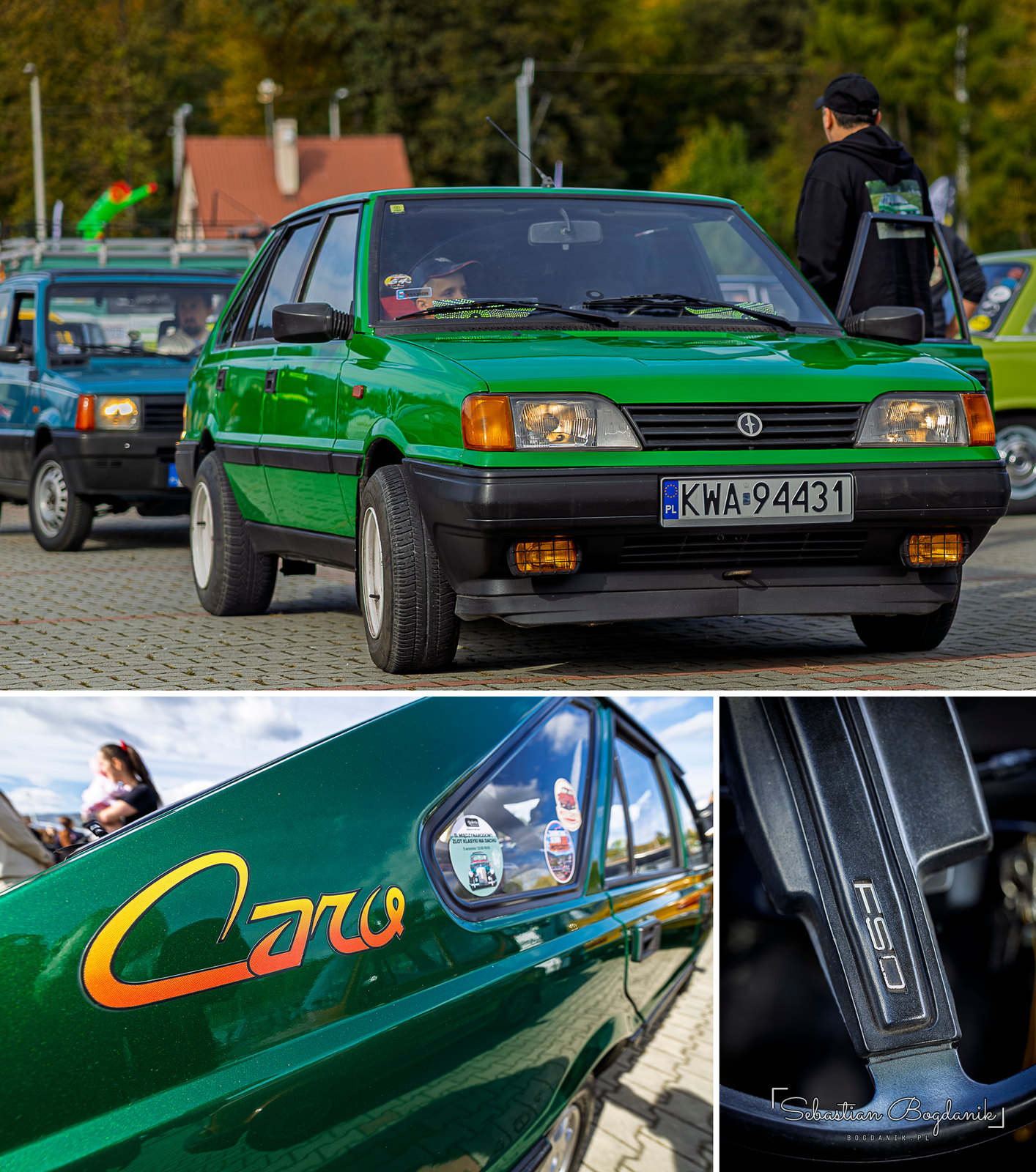
The FSO Polonez Caro, the last big update of Poland’s home-grown hatchback, from the 1990s: the whole car, its script badge and a steering
The FSO Polonez Caro, the last big update of Poland’s home-grown hatchback, from the 1990s: the whole car, its script badge and a steering wheel stamped with the FSO logo.
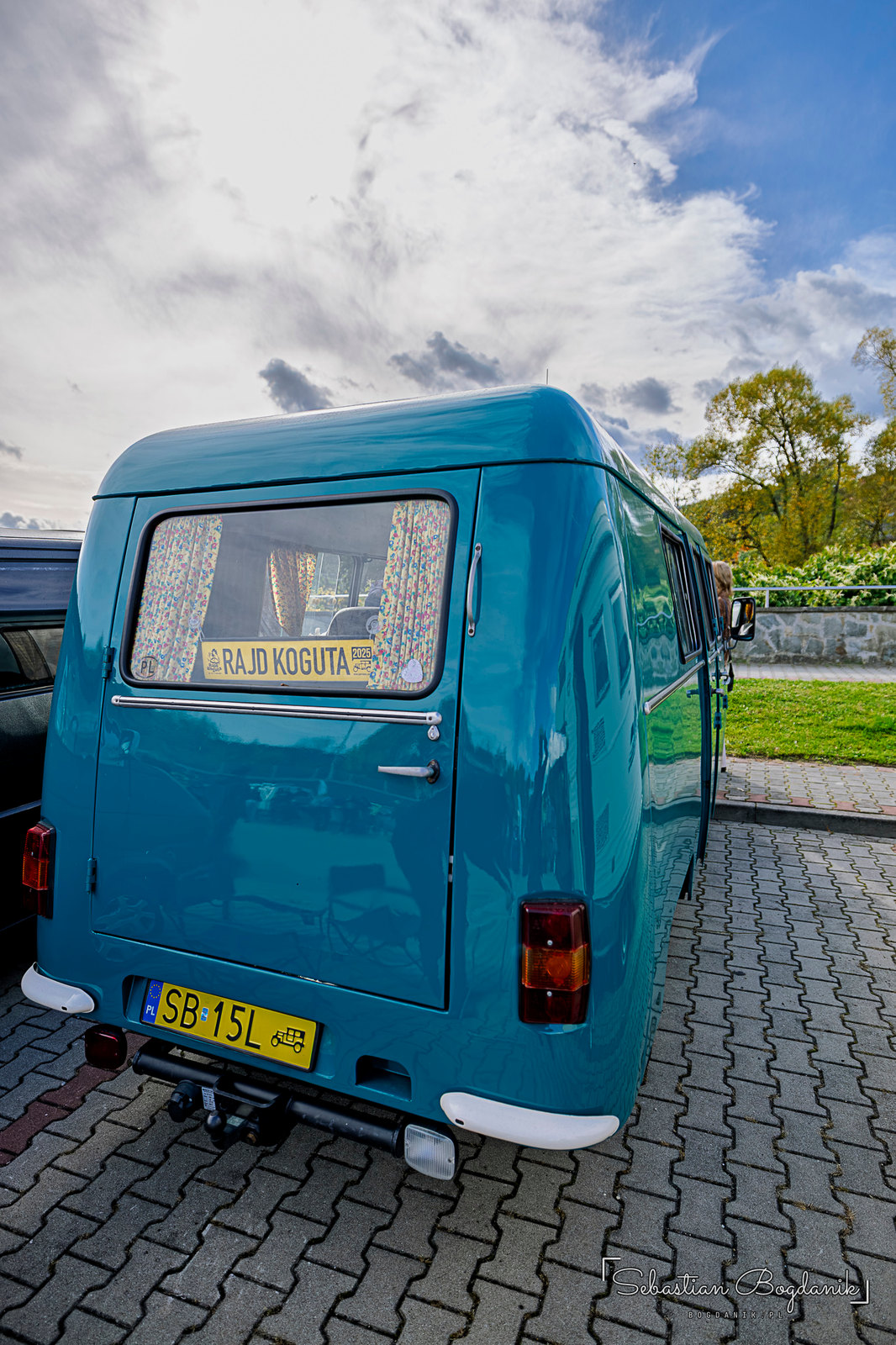
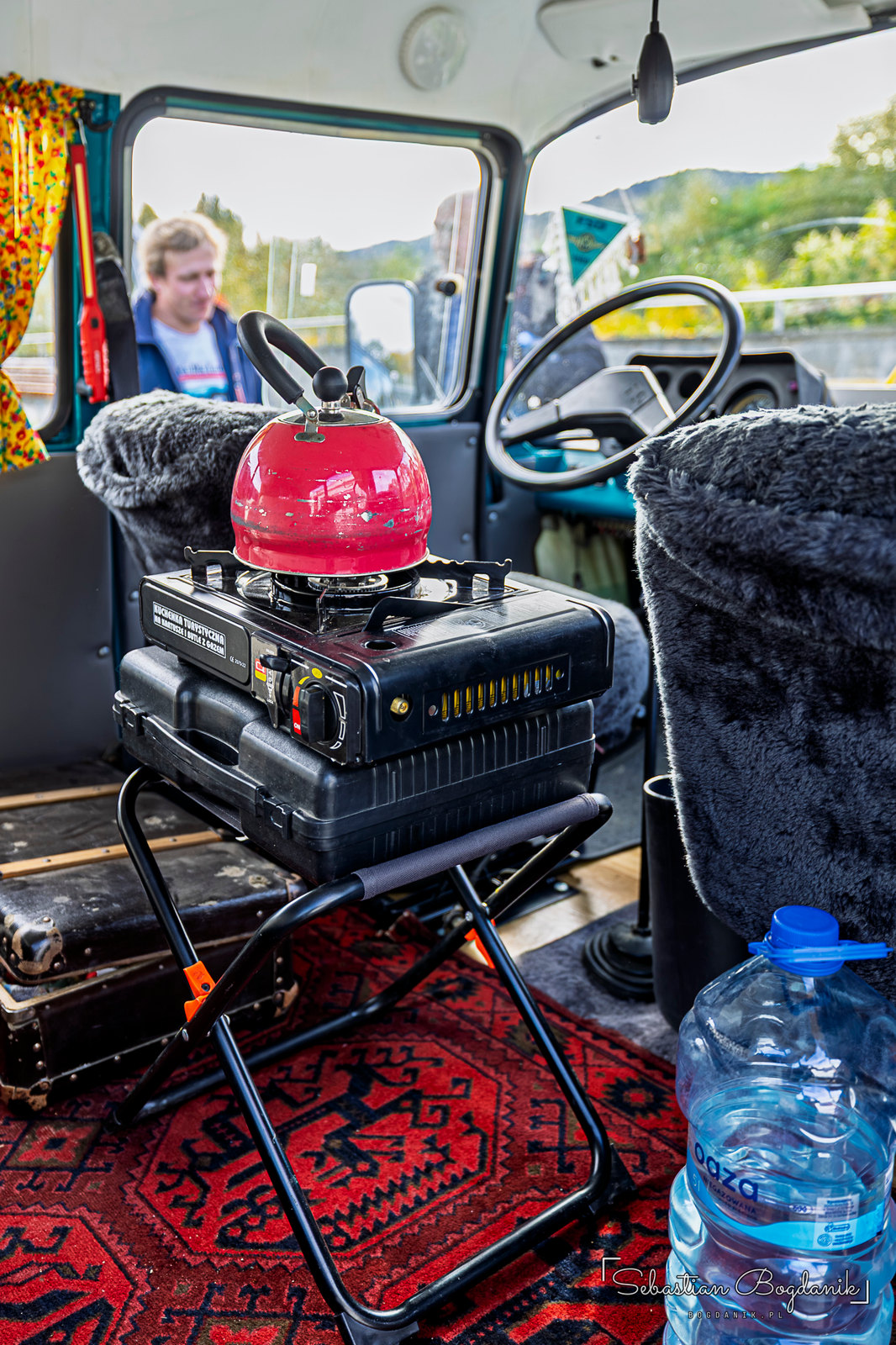
A Nysa van turned camper: curtains in the back, a camping stove with a kettle, a rug and a jug of water (1/2)
A Nysa van turned camper: curtains in the back, a camping stove with a kettle, a rug and a jug of water (2/2)
A Nysa van turned camper: curtains in the back, a camping stove with a kettle, a rug and a jug of water. Communist-era vanlife, decades before Instagram.
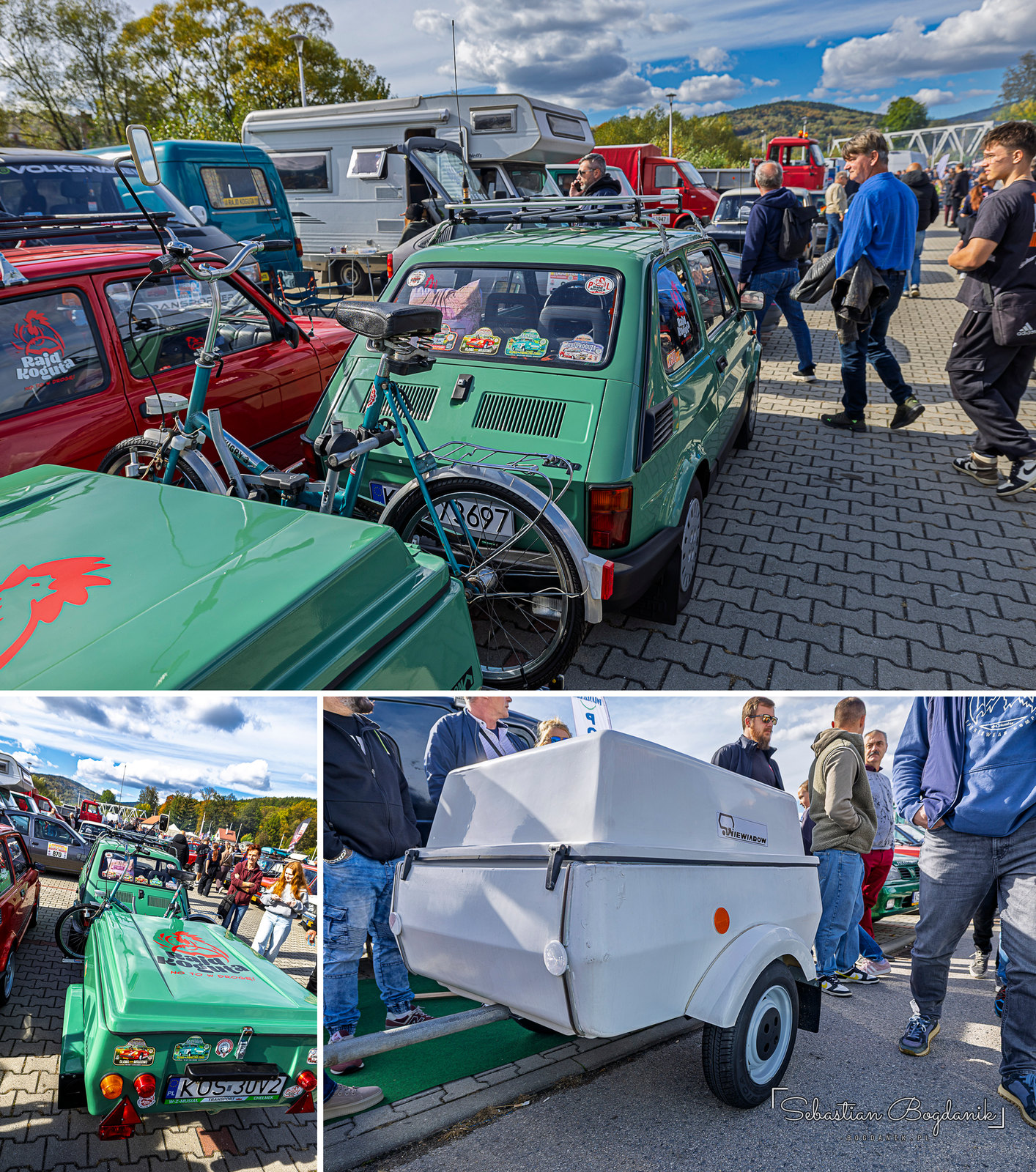
Car, trailer and bicycle, all in one color: the dream combo
Car, trailer and bicycle, all in one color: the dream combo. A maluch towing a trailer painted to match is practically its own class at Polish car shows. Here a mint-green set with a bike strapped to the back, and a white trailer from another matching set. The complete vacation kit: car, trailer and a bicycle in case the car decides to take the day off.
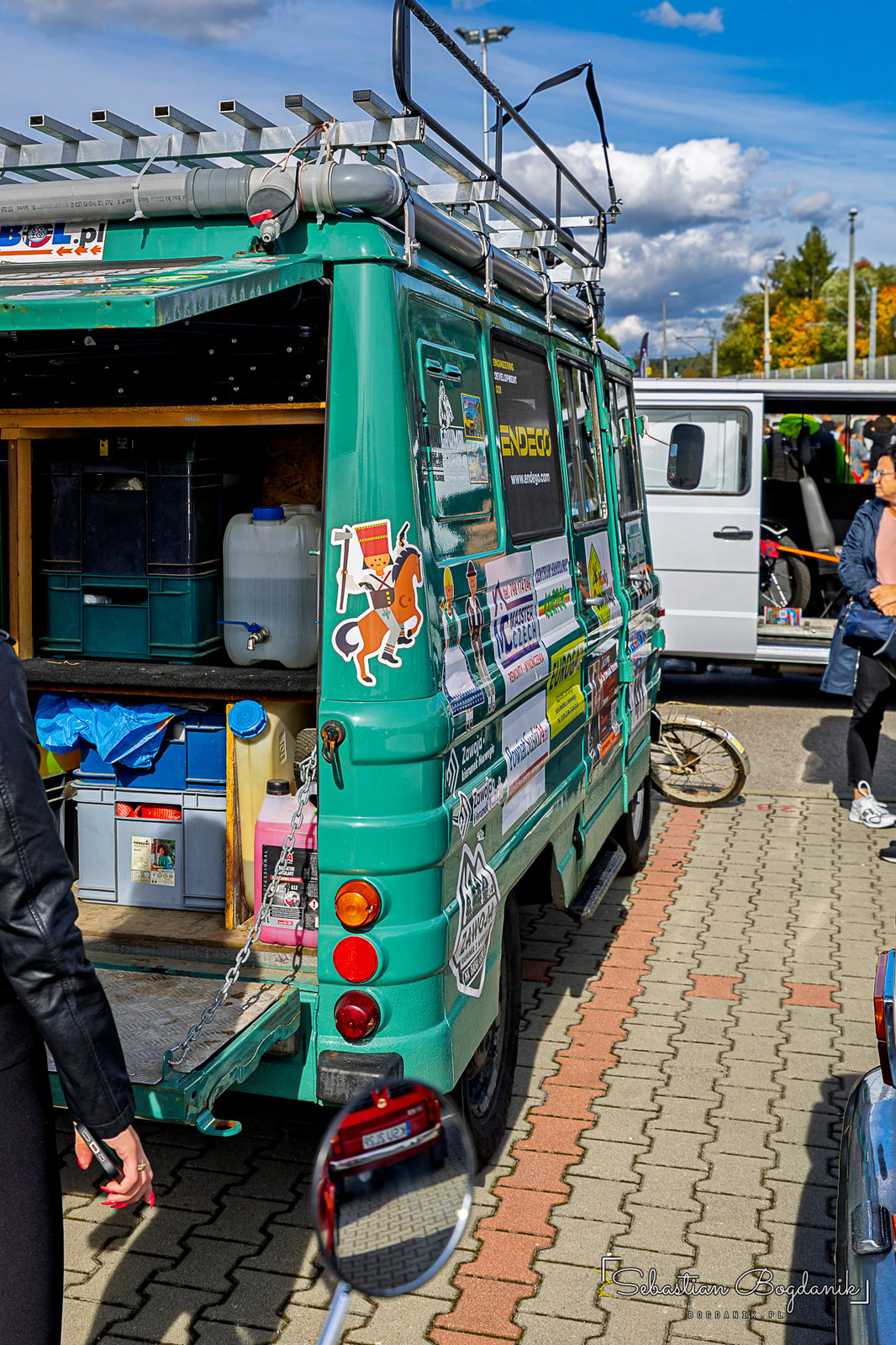
A mint-green camper with a roof rack, shelves, crates and a water jug
A mint-green camper with a roof rack, shelves, crates and a water jug. A home on wheels, ready for any show on the calendar.
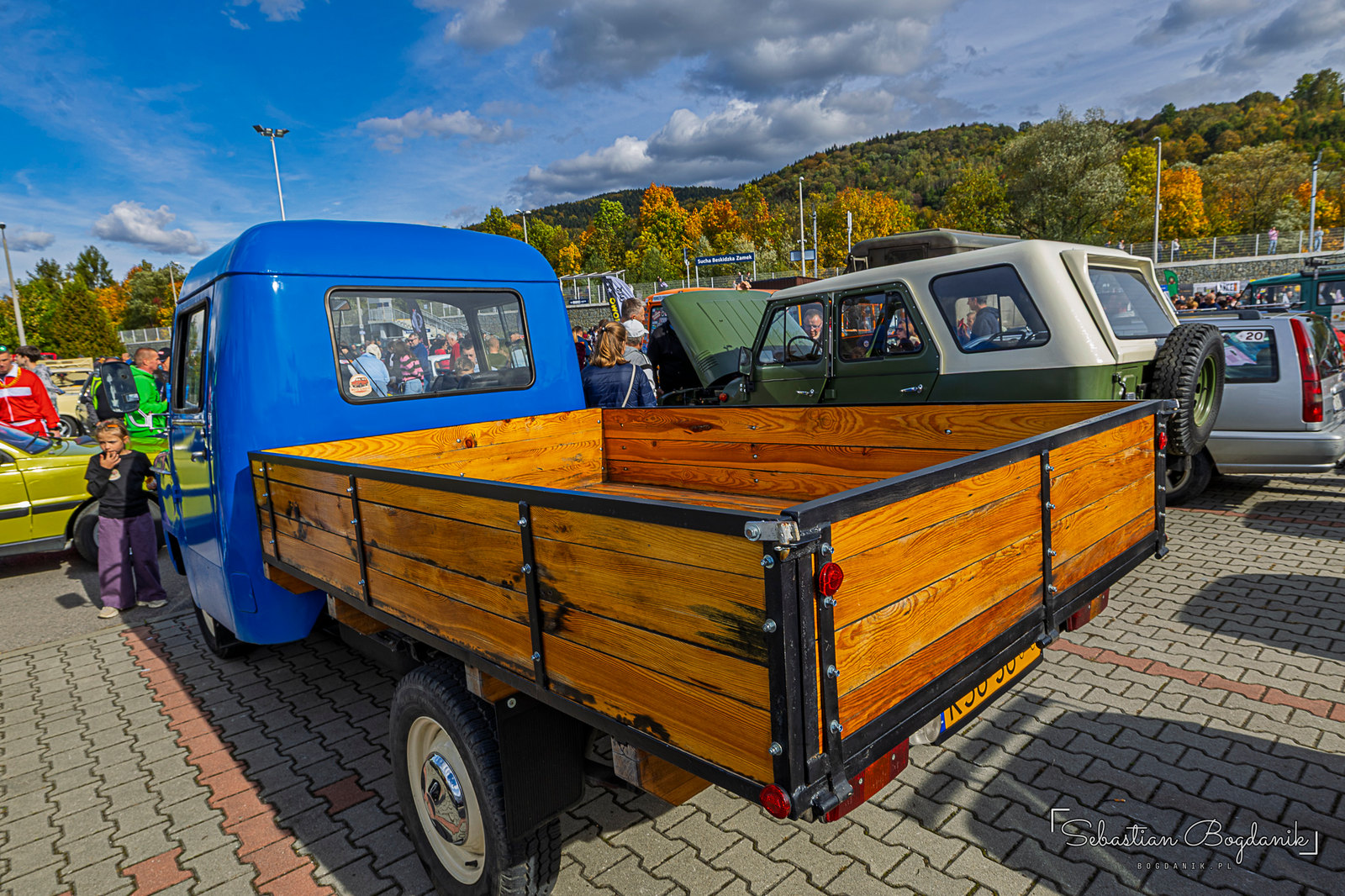
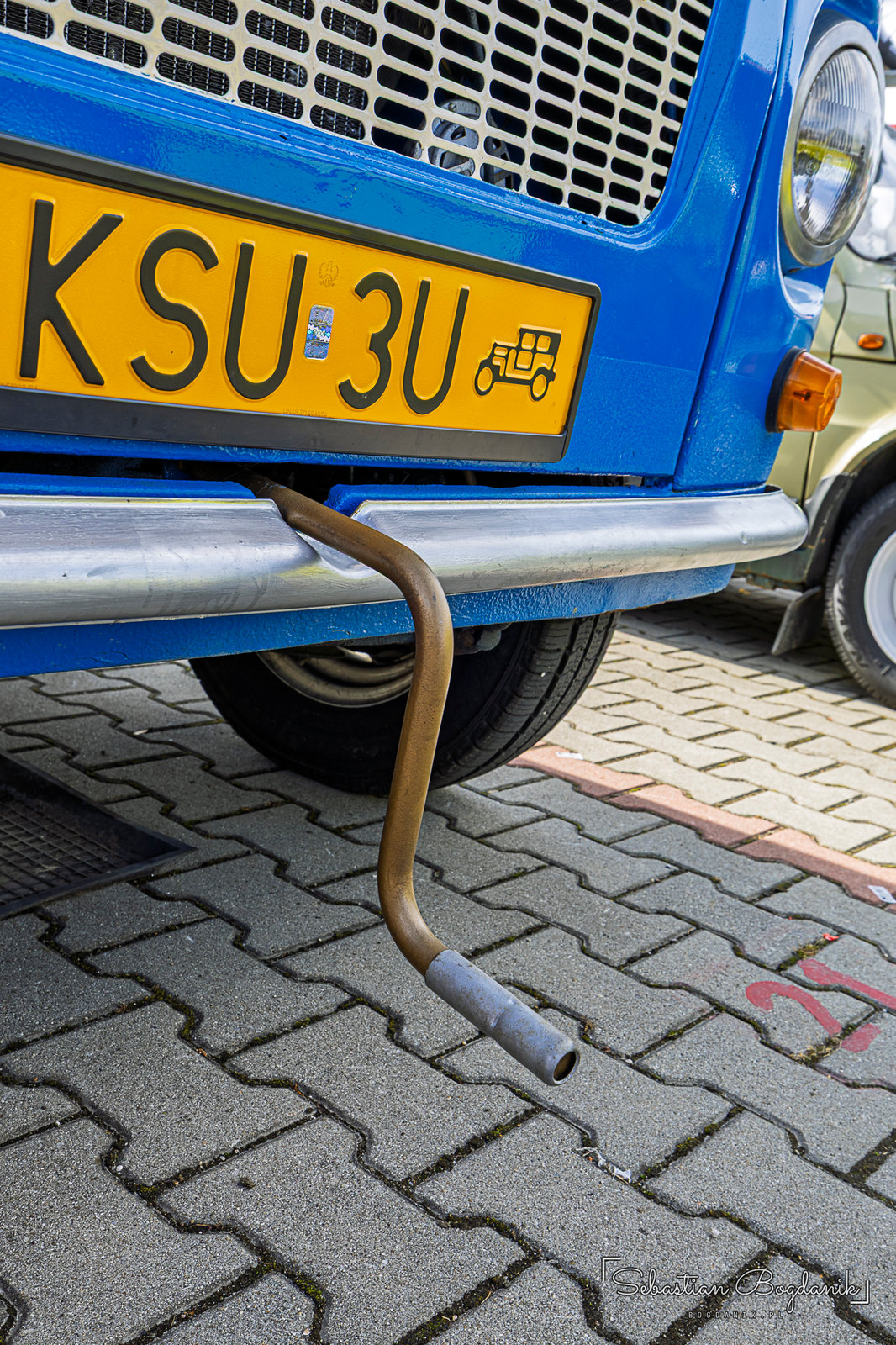
A blue Nysa van converted into a pickup with a wooden bed, later the stage for a contest to see how many people could fit on it (1/2)
A blue Nysa van converted into a pickup with a wooden bed, later the stage for a contest to see how many people could fit on it (2/2)
A blue Nysa van converted into a pickup with a wooden bed, later the stage for a contest to see how many people could fit on it. Up front, a hand crank for starting the engine: a starter that never fails, as long as the driver ate breakfast.