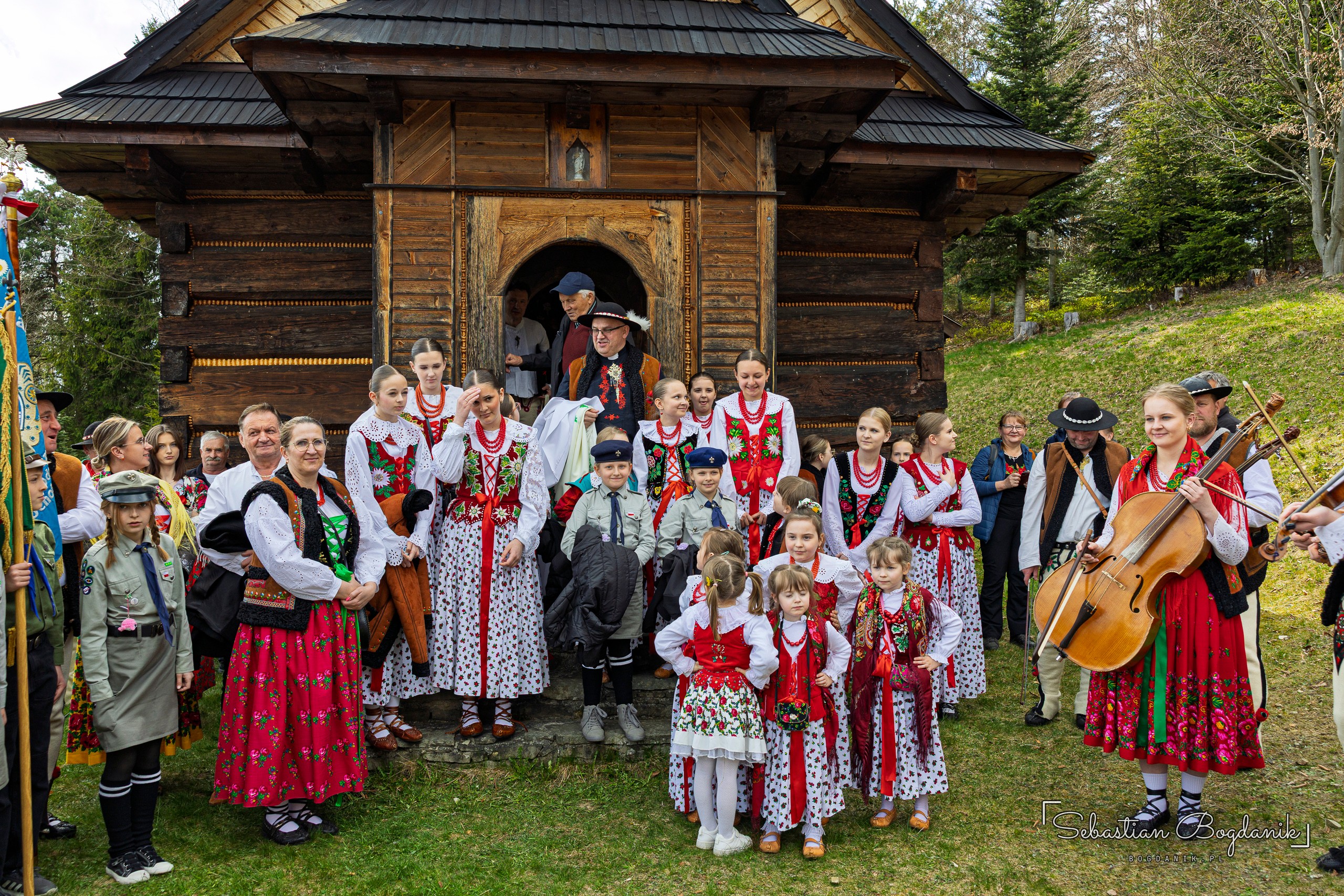
Studzionki is a mountain hamlet of Ochotnica Górna in the Gorce, with a wooden chapel, a small open-air museum and a view of the Tatras. Since 2012, usually on 1 May, the feast of St Joseph the Worker, patron of the local chapel, folk artists, craftspeople, musicians and visitors gather here. On Friday 1 May 2026 they met for the thirteenth time.
Studzionki below Majcherek
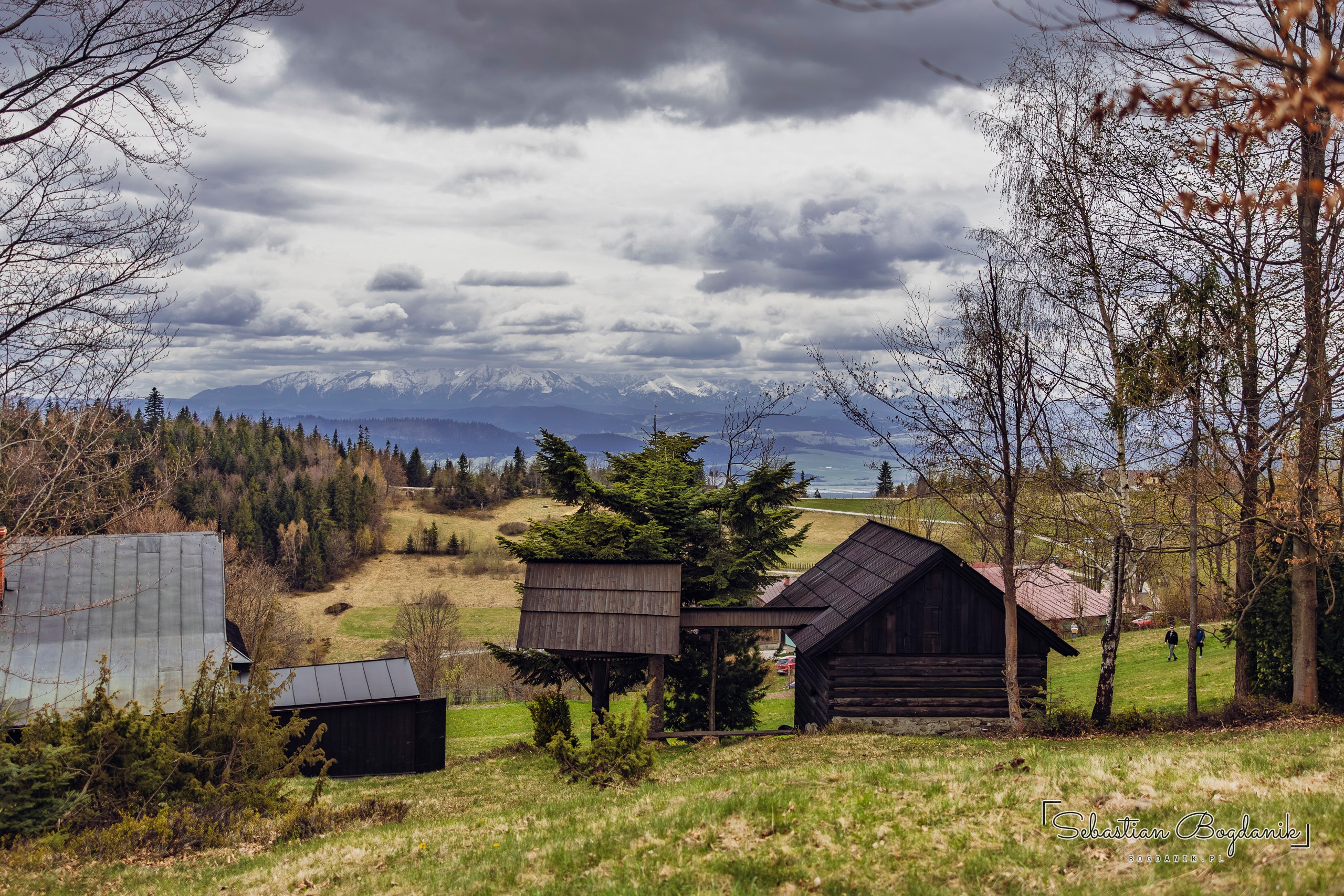
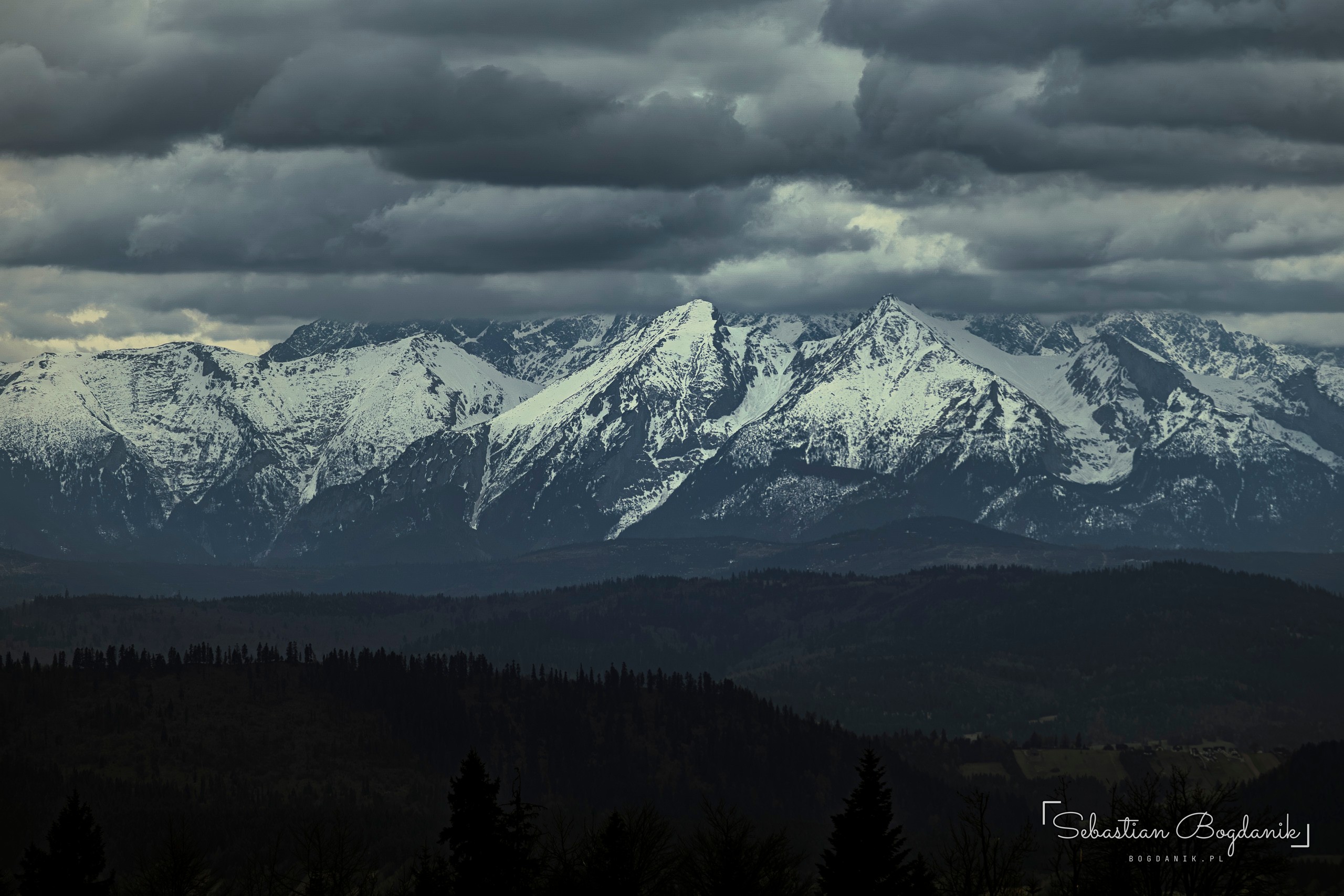
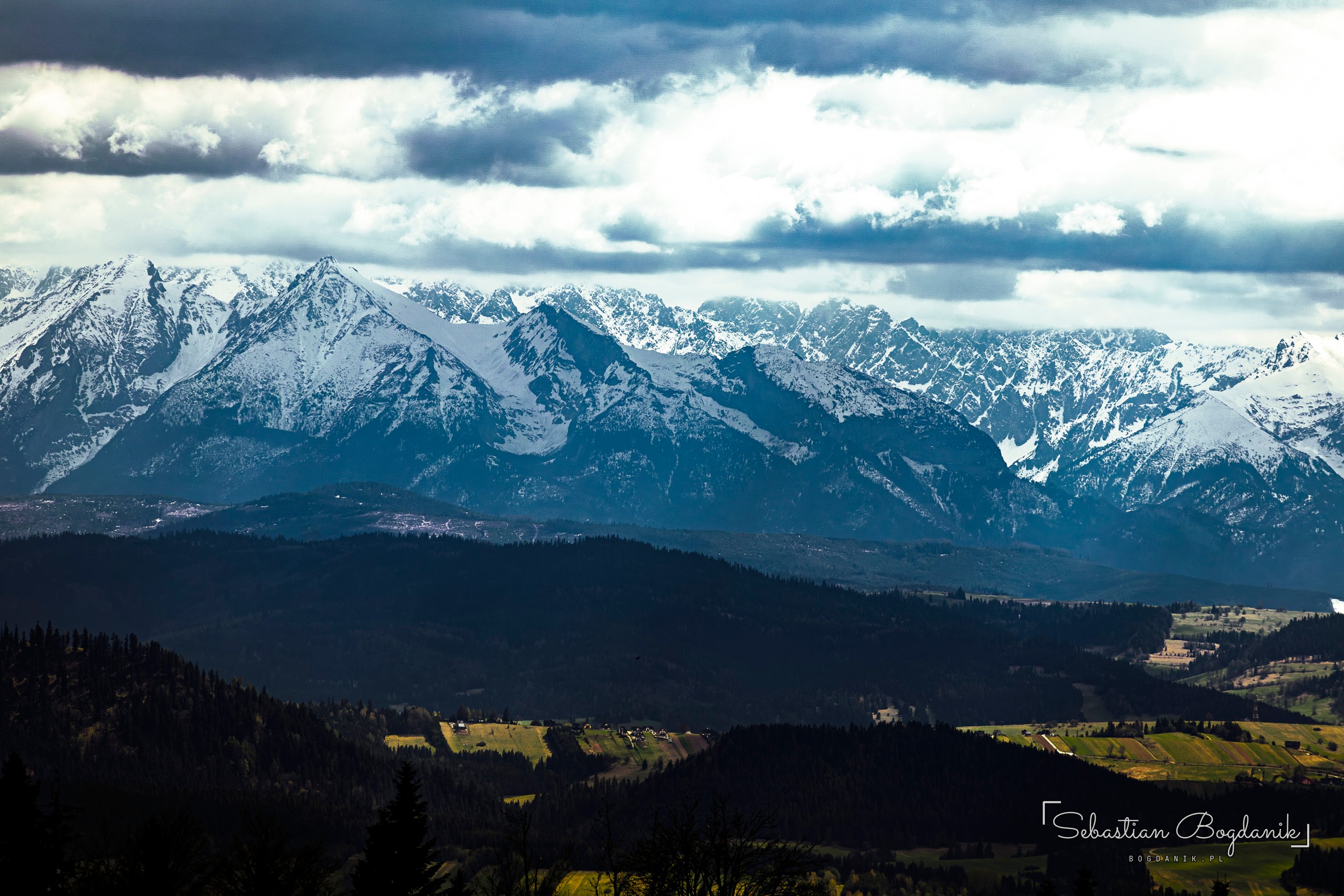
The hamlet lies in the Lubań Range, on the gentle southern slope of Majcherek, a 927 m hill. A red hiking trail runs through Studzionki. From here you can see the Tatras, the Spiš Magura and the Gorce, including the Lubań Range, Magurki and Gorc.
I arrived early, at quarter to one. Heavy clouds hung over the Gorce, but to the south the Tatras stood out clearly, with snow on the ridges.
The Studzionki open-air museum: from a Kraków violinist to the Mulet family
The story of this place began in the 1950s, when Zygmunt Stypa, a violinist from Kraków, came to Ochotnica as a tourist. He was captivated by the culture of the Gorce highlanders. He began buying old objects from local people and kept them in a regional house that he designed and built himself at Studzionki, just below the top of Majcherek. The collection grew until the house became a small private museum that visitors came to see.
Stypa dreamed of a highland chapel, but there was no money. In 1994 the house passed to his nephew, Wojciech Mulet. At the end of the 1990s work on the chapel began, funded by Wojciech’s father, Jerzy Mulet. Two neighbouring plots were bought, along with an old 1929 house from Dębno whose fir planks were to be used in the building. Zygmunt Stypa died in August 2002, before the work was finished. In April 2013 the chapel received a small bell turret designed by Dr Krzysztof Wielgus and made by Piotr Kapłaniak.
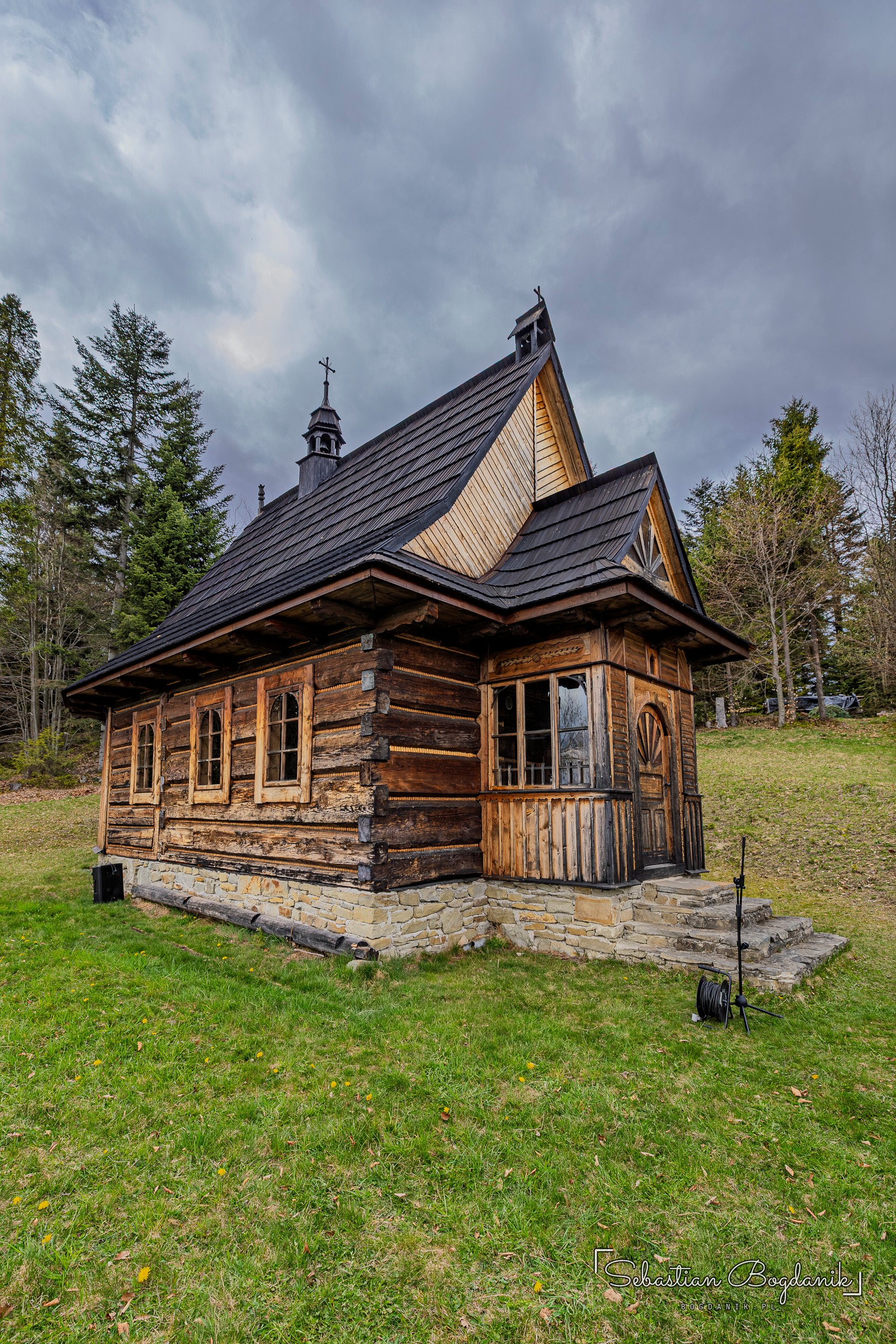
In 2008 an old smithy was bought from the Królczyk family of Ochotnica Górna-Jaszcze and moved to Studzionki with almost all of its original equipment. Today the open-air museum has the chapel, a granary, a working peasant smithy from the mid-19th century and a poor peasant cottage from the late 18th century. It is privately owned and can be visited with the owners’ permission.
Guests arrive
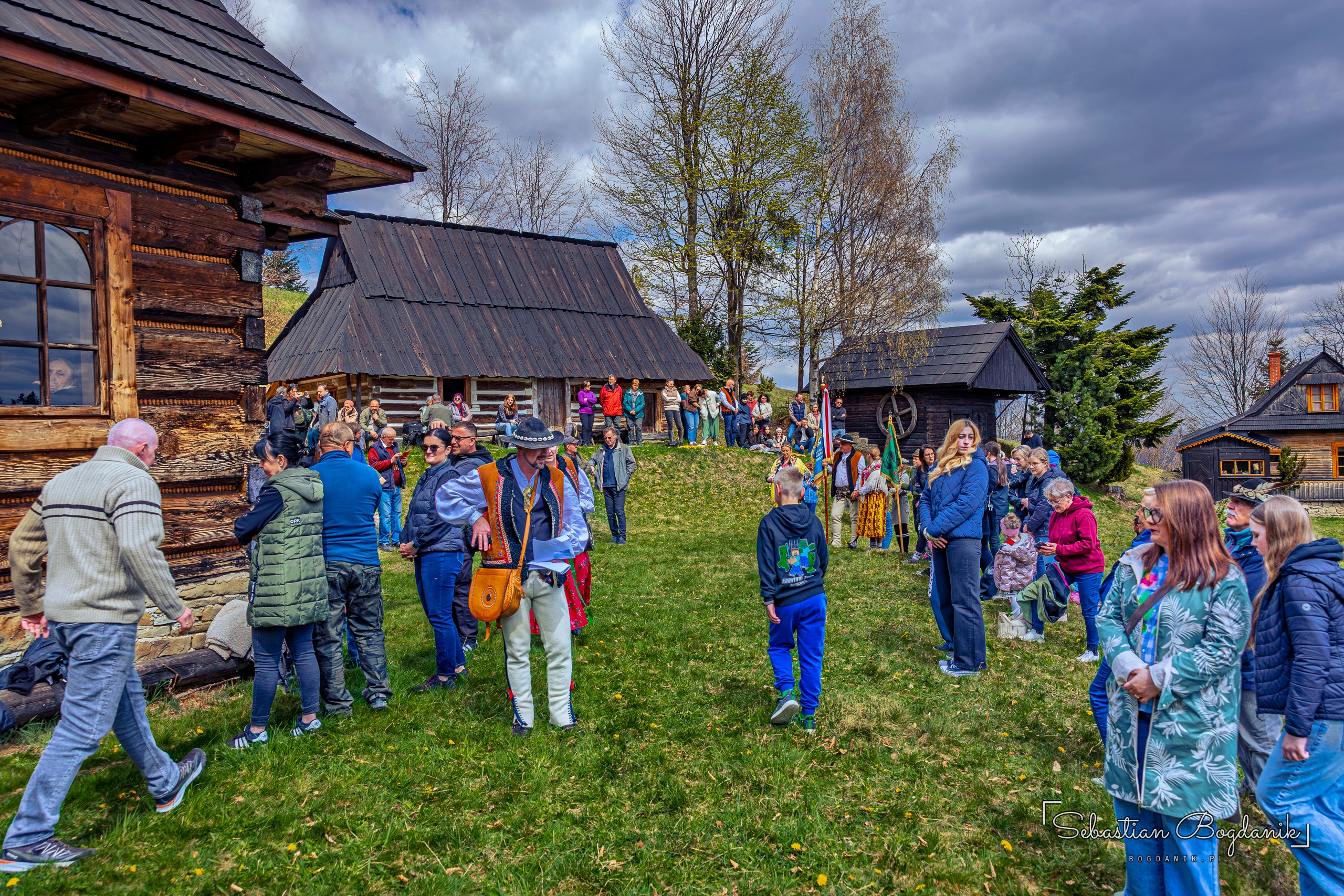
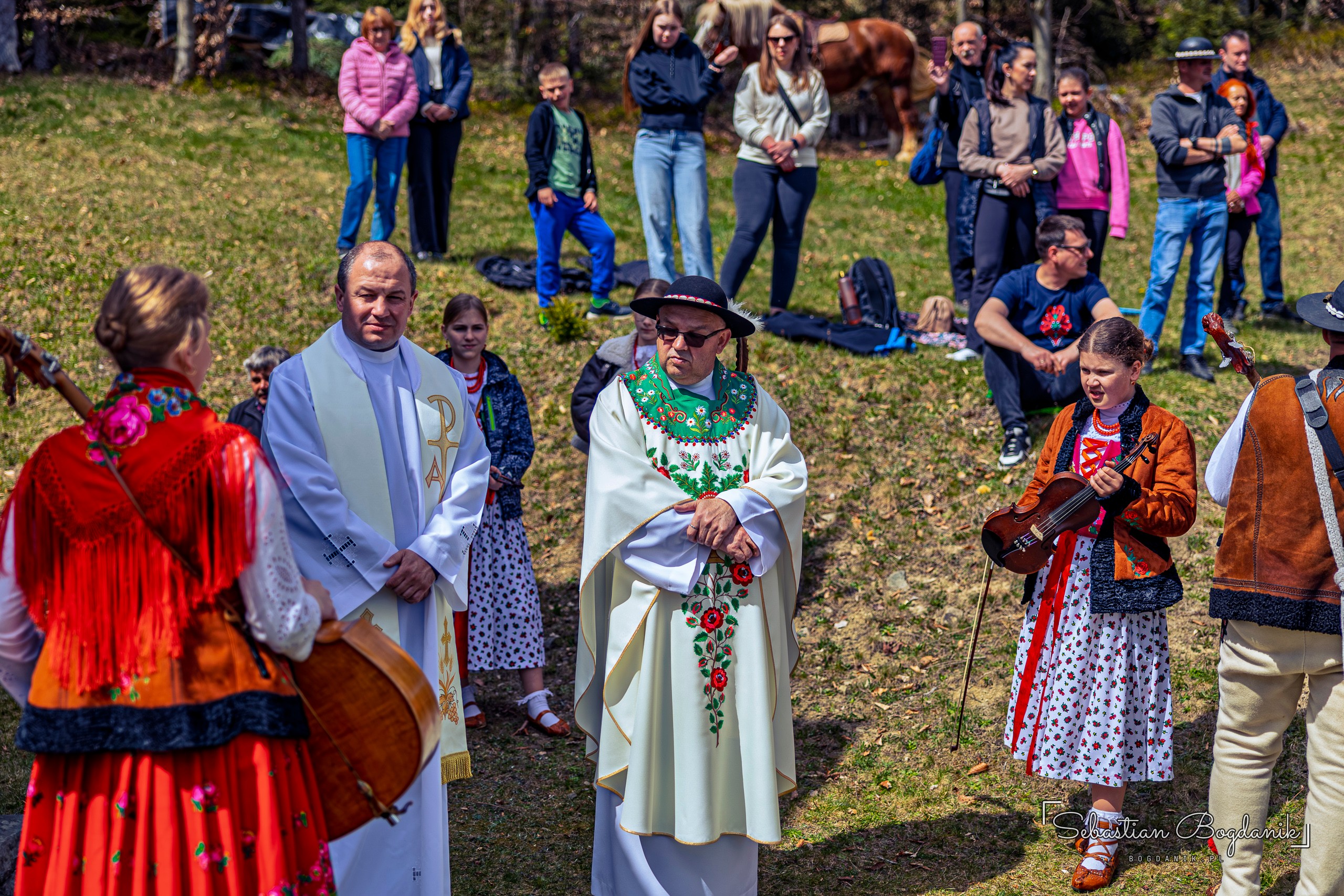
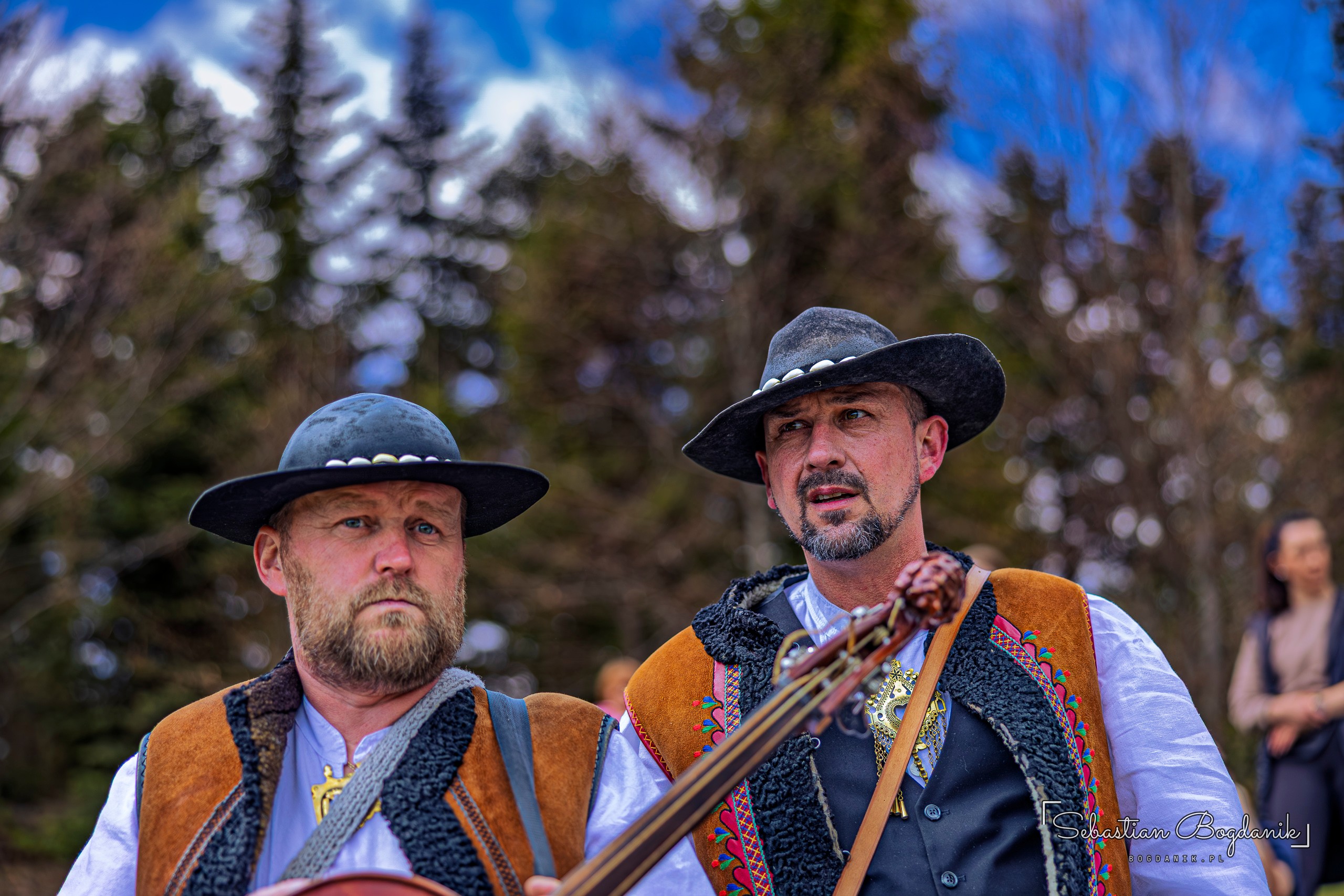
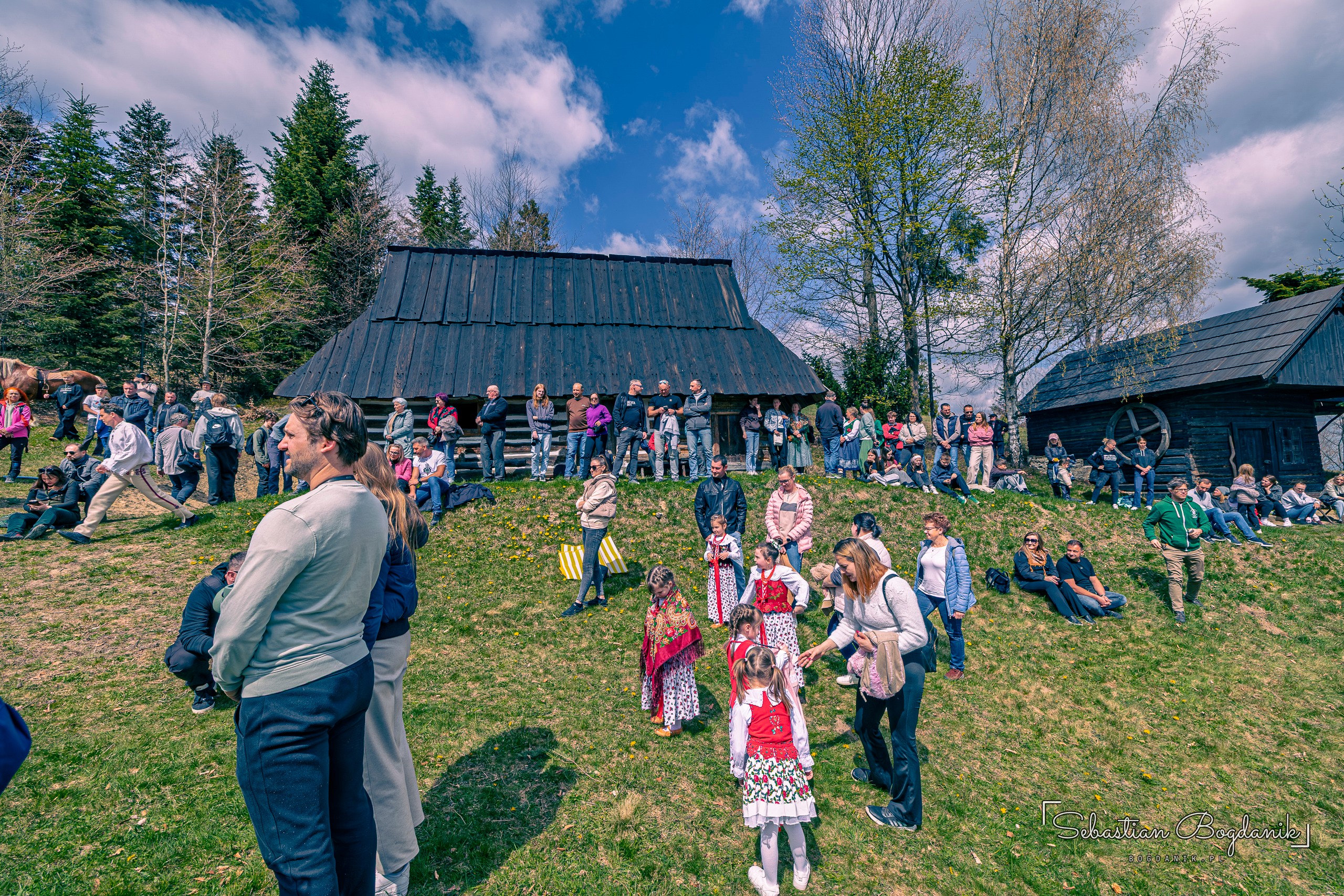
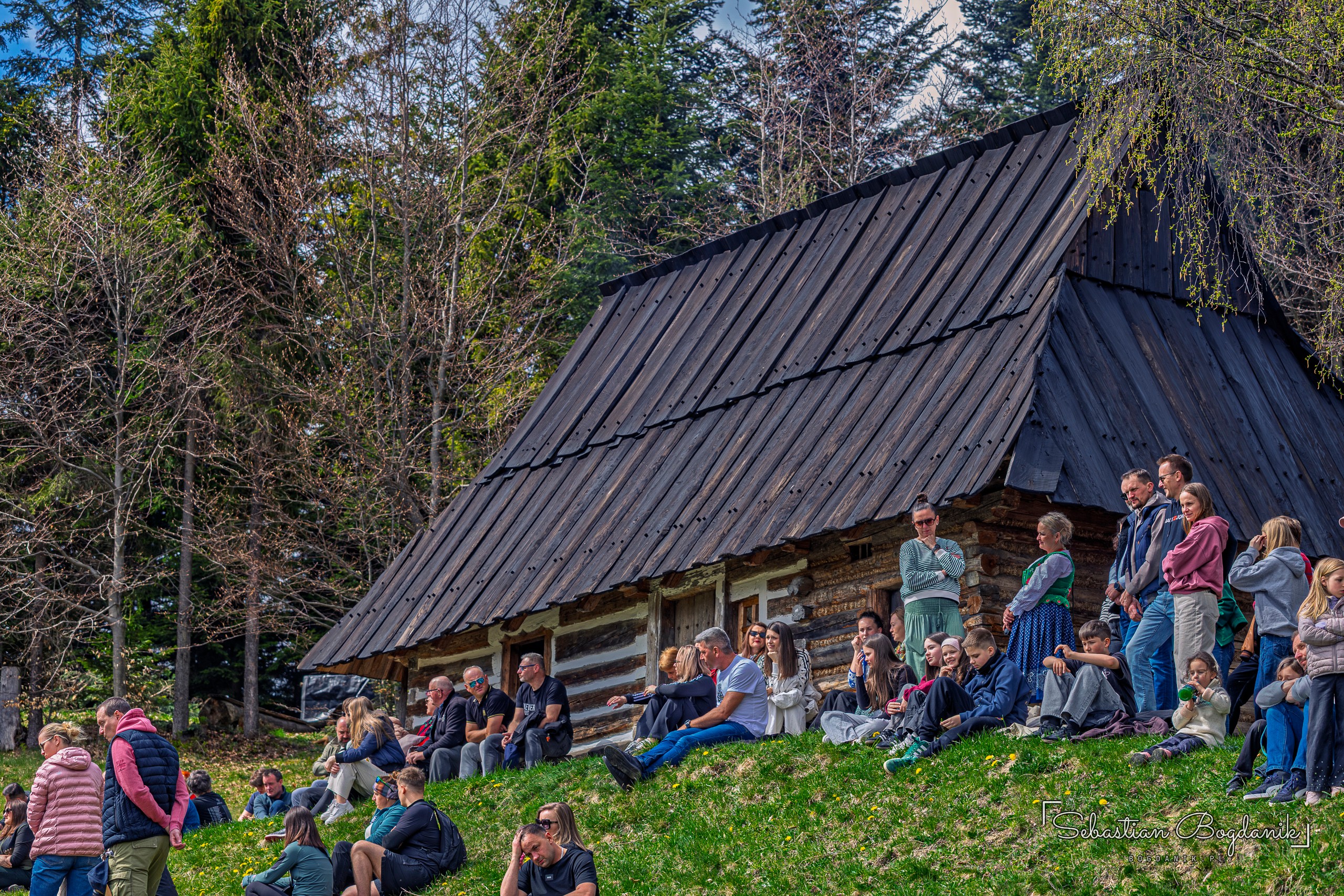
At around half past one the meadow began to fill. First one by one, then whole families: in jackets and in costume, with children and with instruments.
Mass in the chapel of St Joseph the Worker
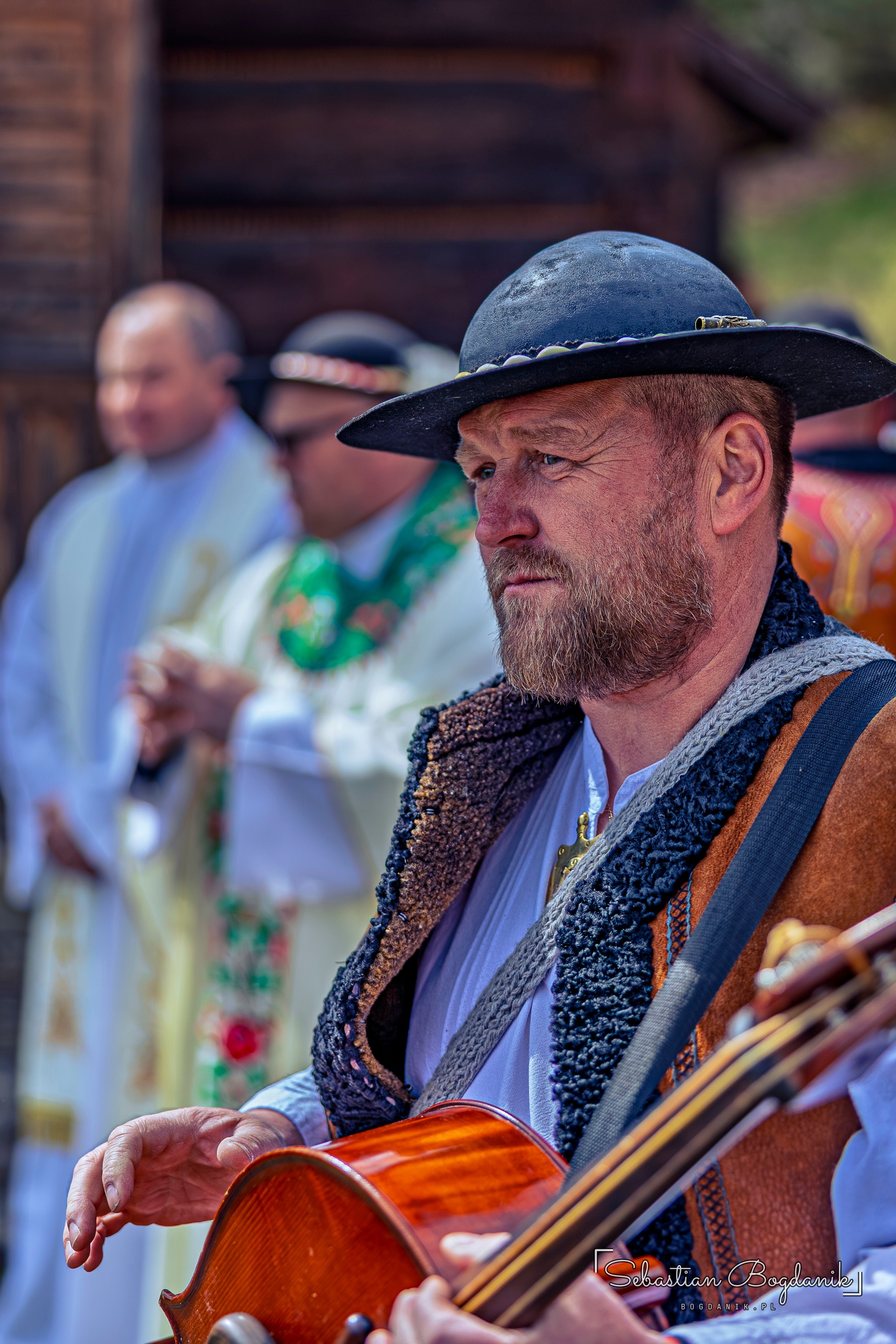
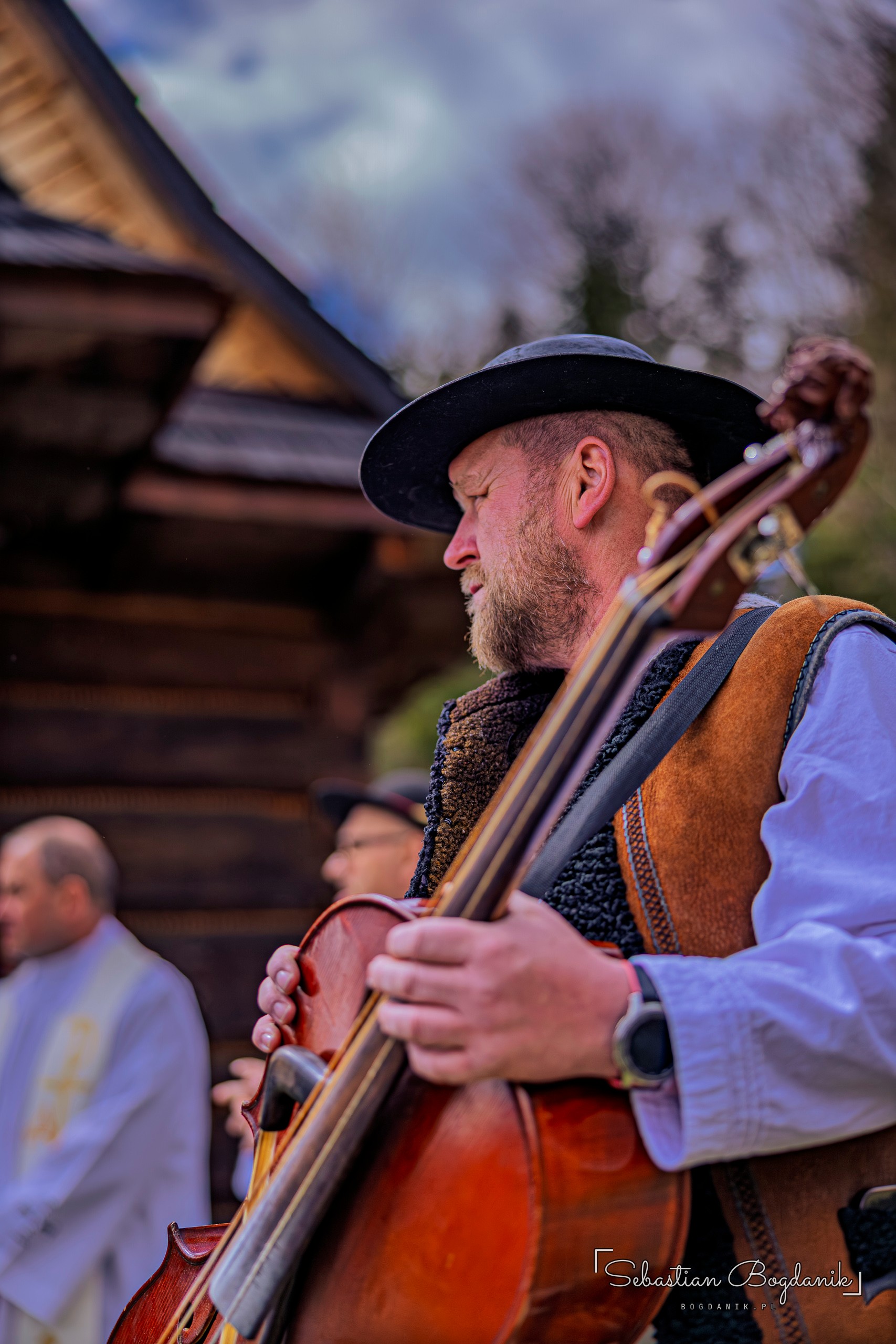
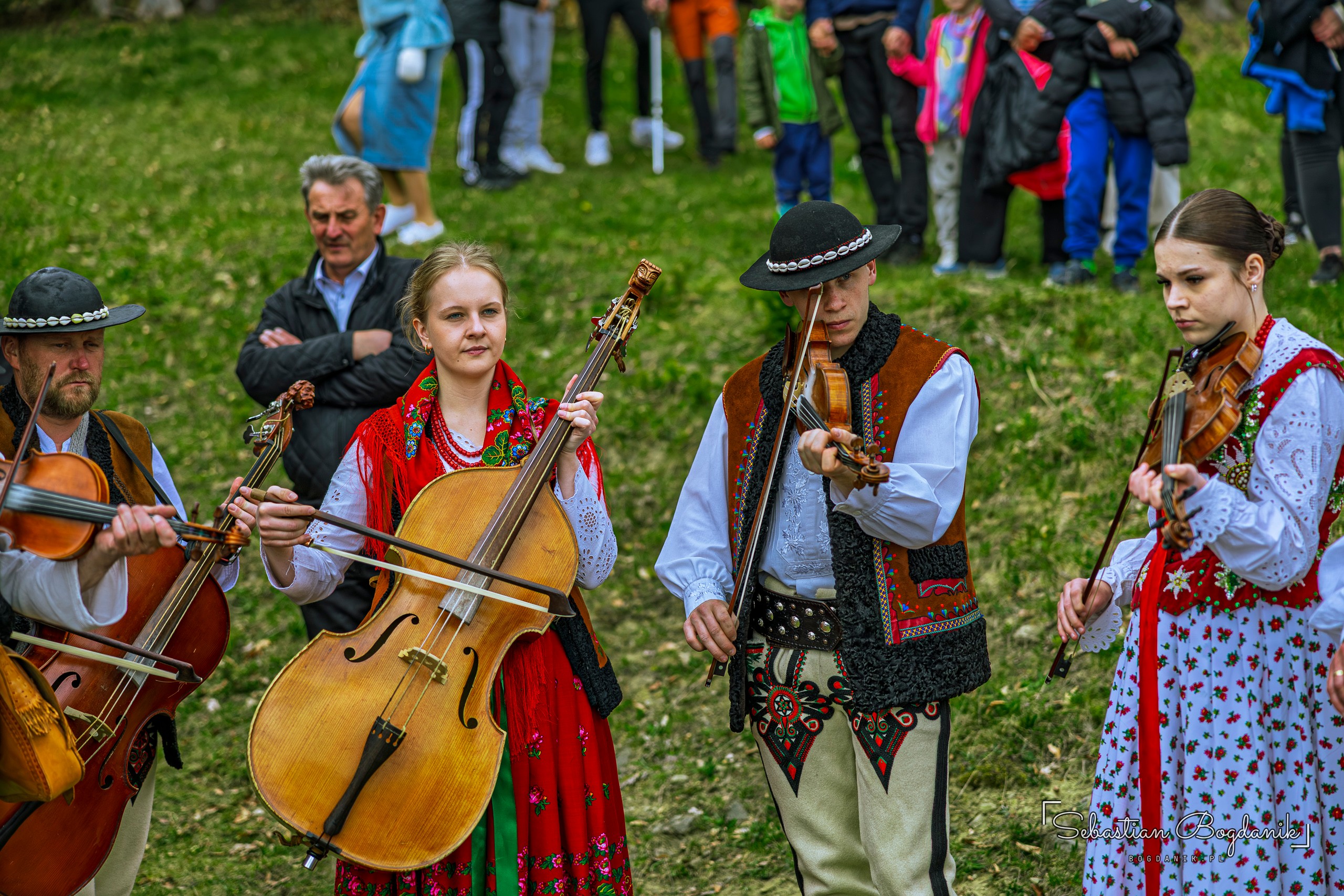
The gathering began at 2 pm with Mass in the chapel, celebrated by the parish priest Fr Stanisław Kowalik and the catechist Fr Paweł Tokarczyk. The chapel was made available by Wojciech and Natalia Mulet. It was crowded inside, and the music for the Mass was played by the Ochotni and Mali Ochotni folk groups.
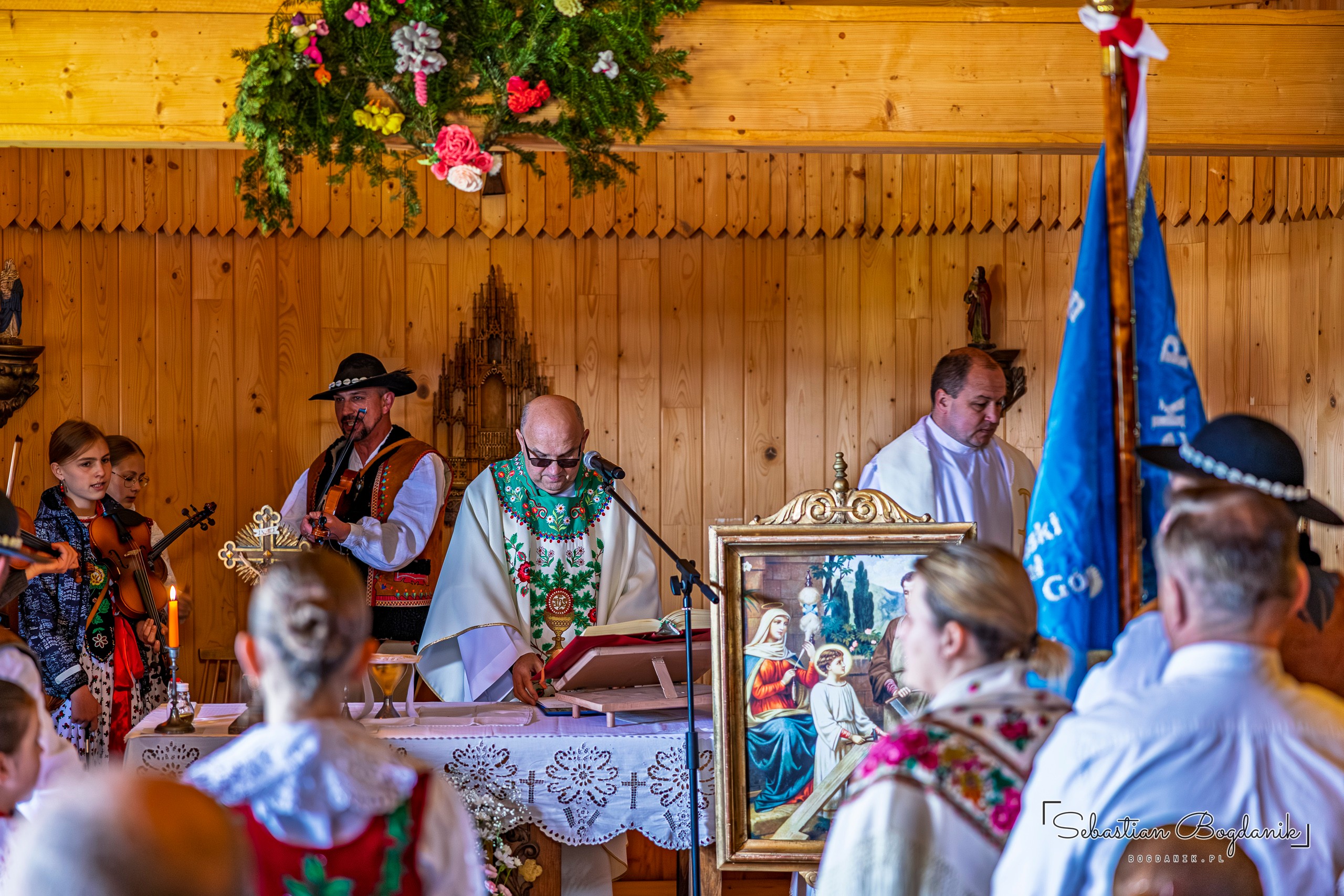
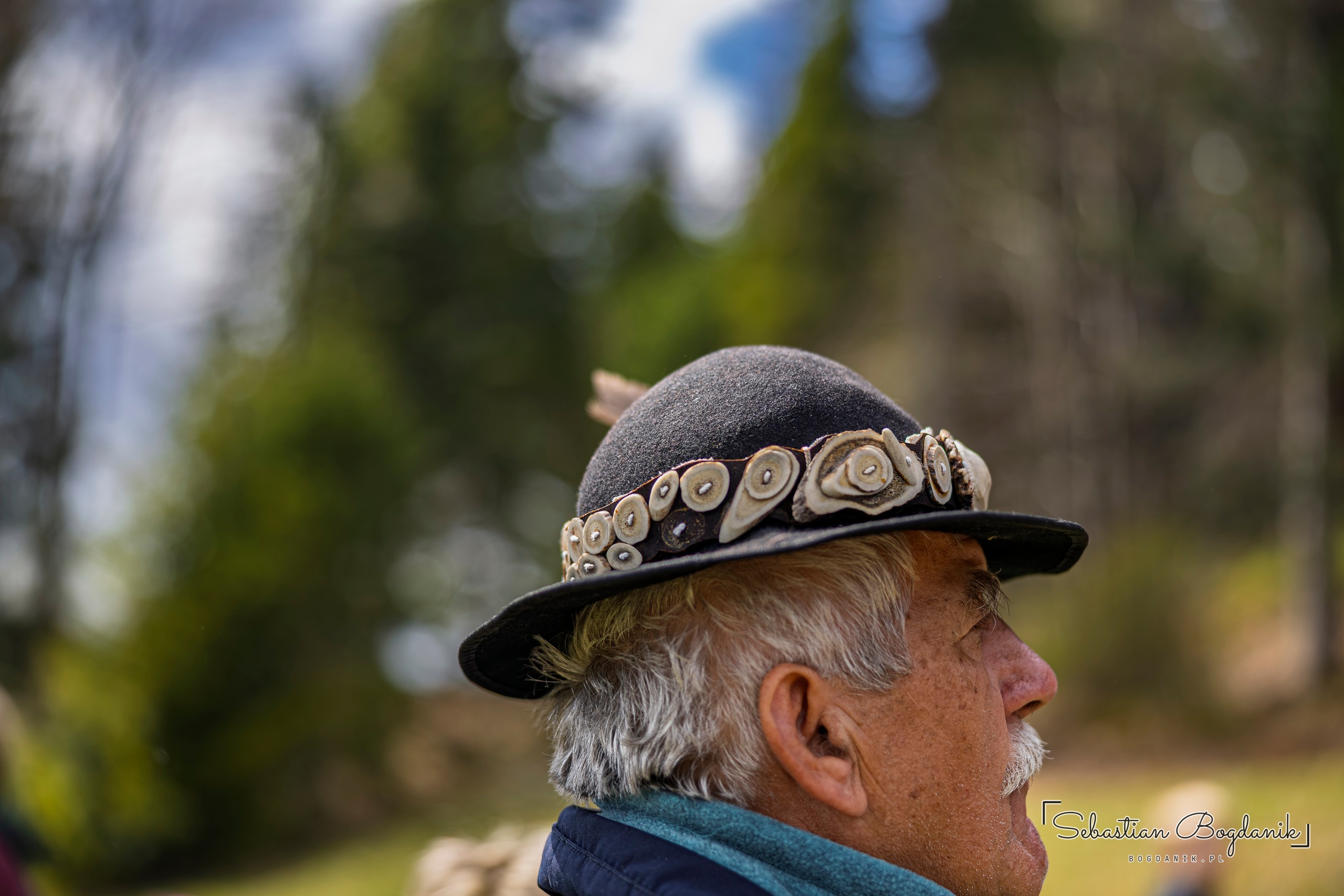
Not everyone fitted in. The rest stood by the door or sat on the meadow.
Smithy, pegs and anemones
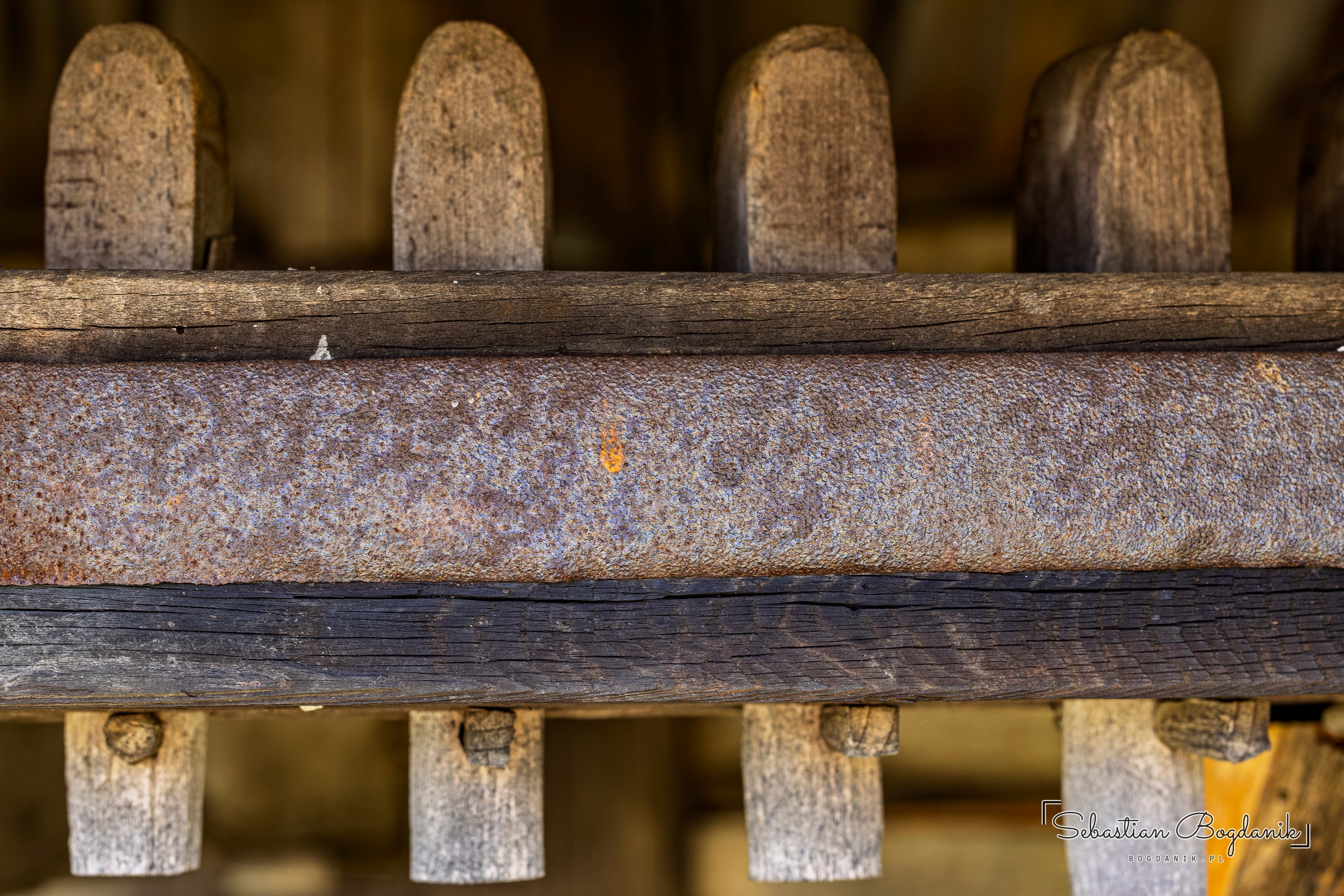
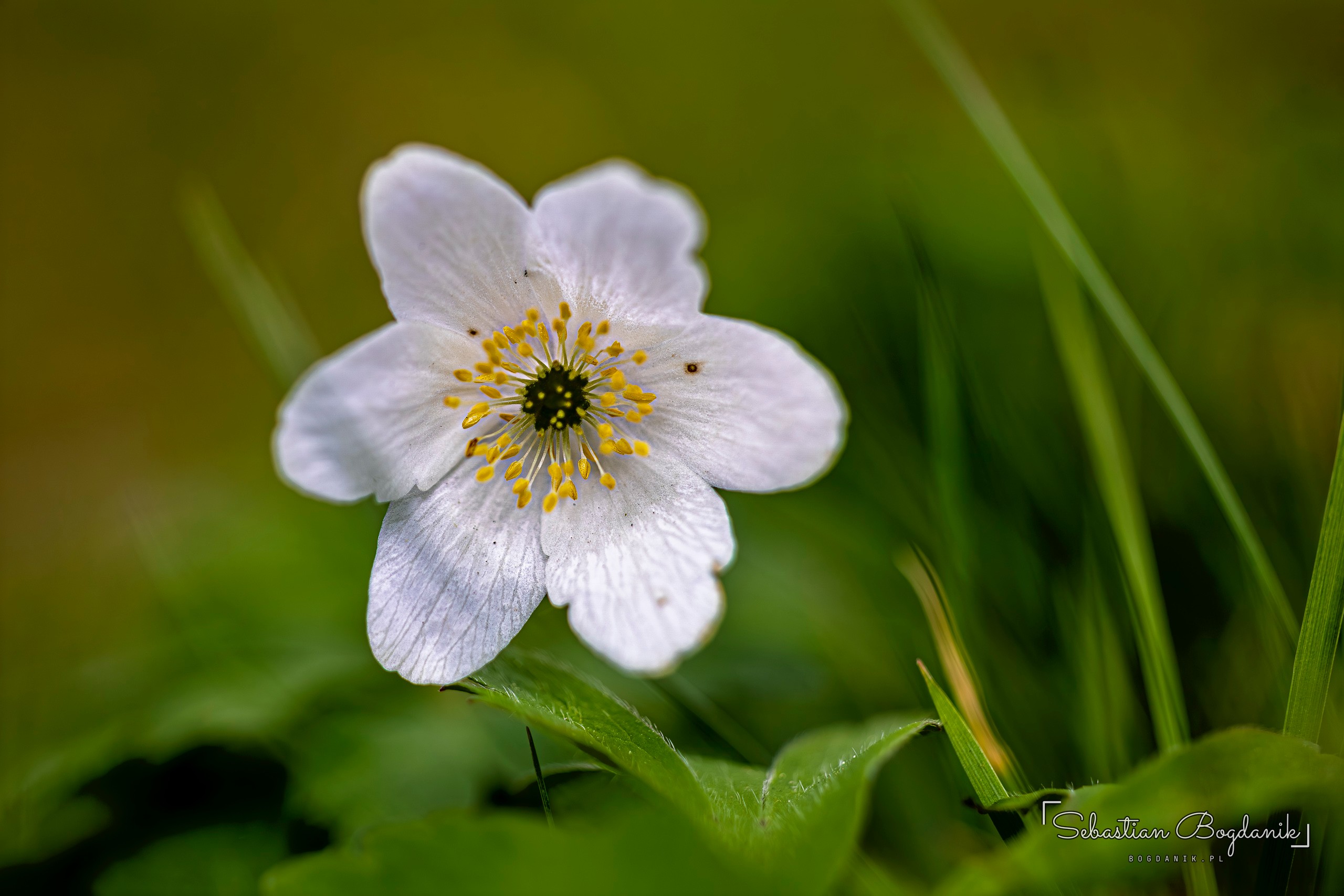
During Mass I walked round the open-air museum. In the smithy there was an anvil on a stump and a stone forge, with tools hanging on the wall. Next door stood wooden machinery in which pegs did the work of bolts.
Folk artists, music and food
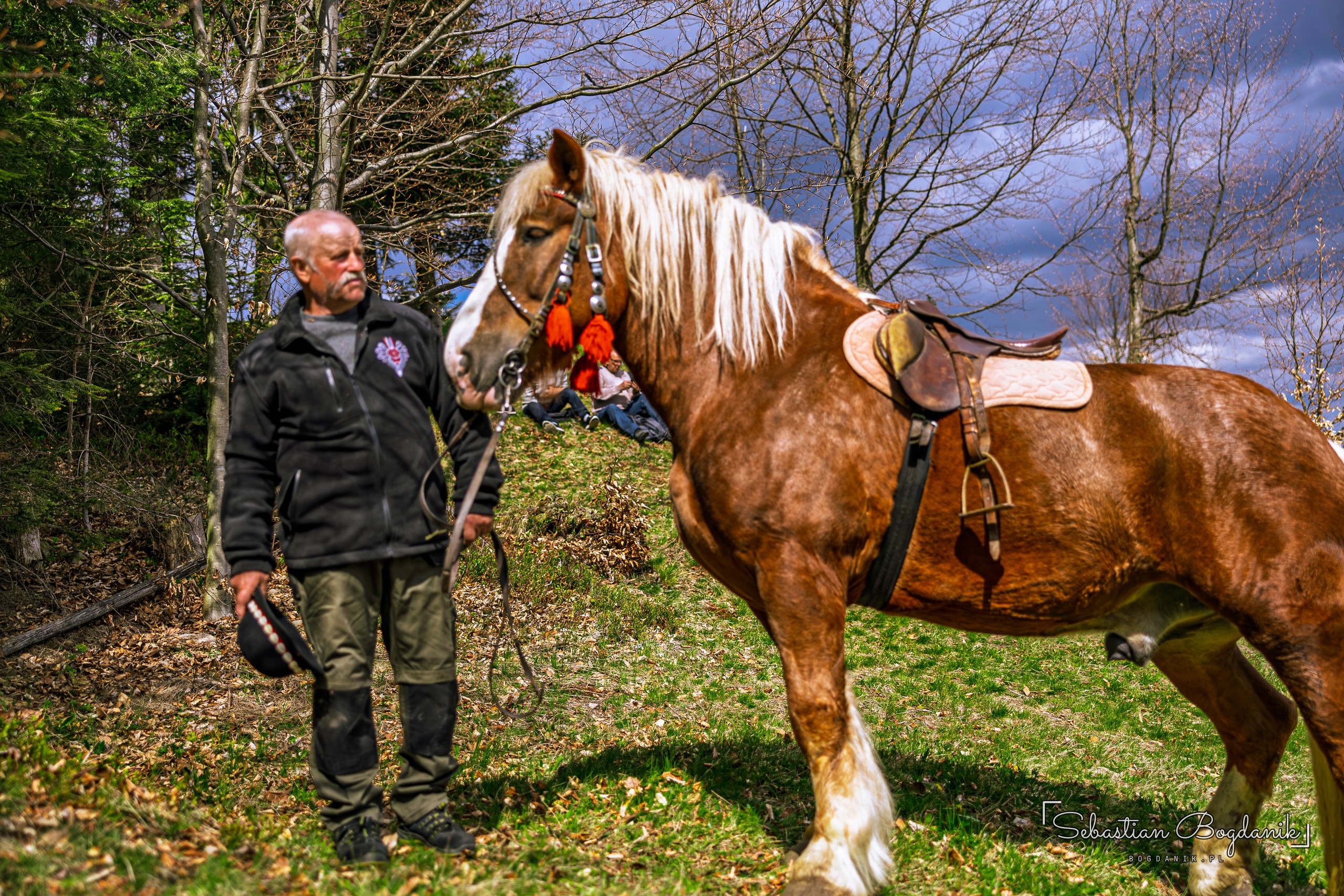
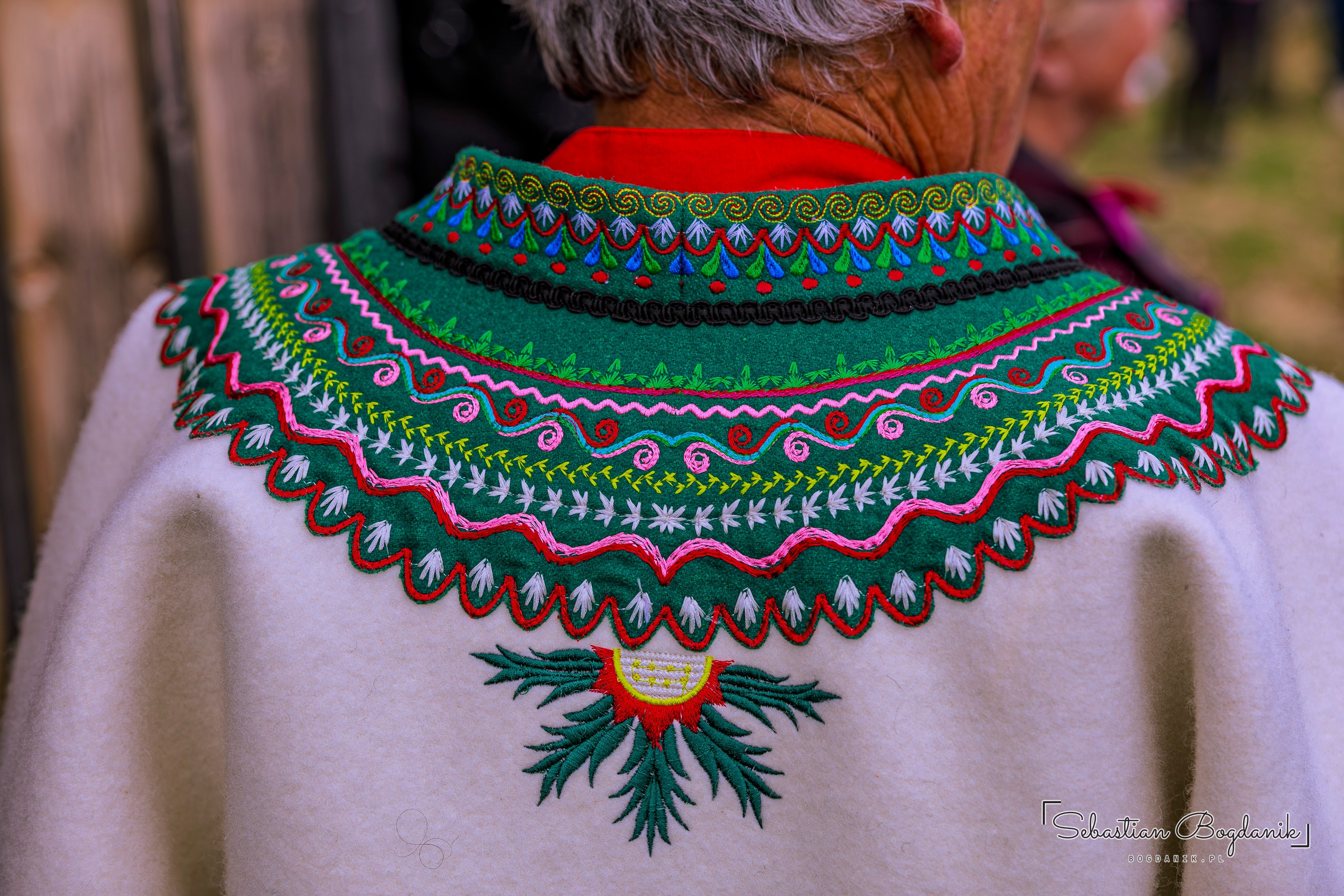
After Mass the guests moved over to the open-air museum. Folk artists and craftspeople showed sculptures, paintings, embroidery, woodwork and ceramics. The women of the Rural Housewives’ Association in Ochotnica Górna prepared regional dishes and home baking. People settled on the grass, and a horse in festive harness walked among them.
Ochotni and Mali Ochotni
Then it was time for the Ochotni and Mali Ochotni folk groups to perform. Adult musicians stood in one circle with children who are only just learning to play and dance. The youngest dancers barely reached the adults’ waists.
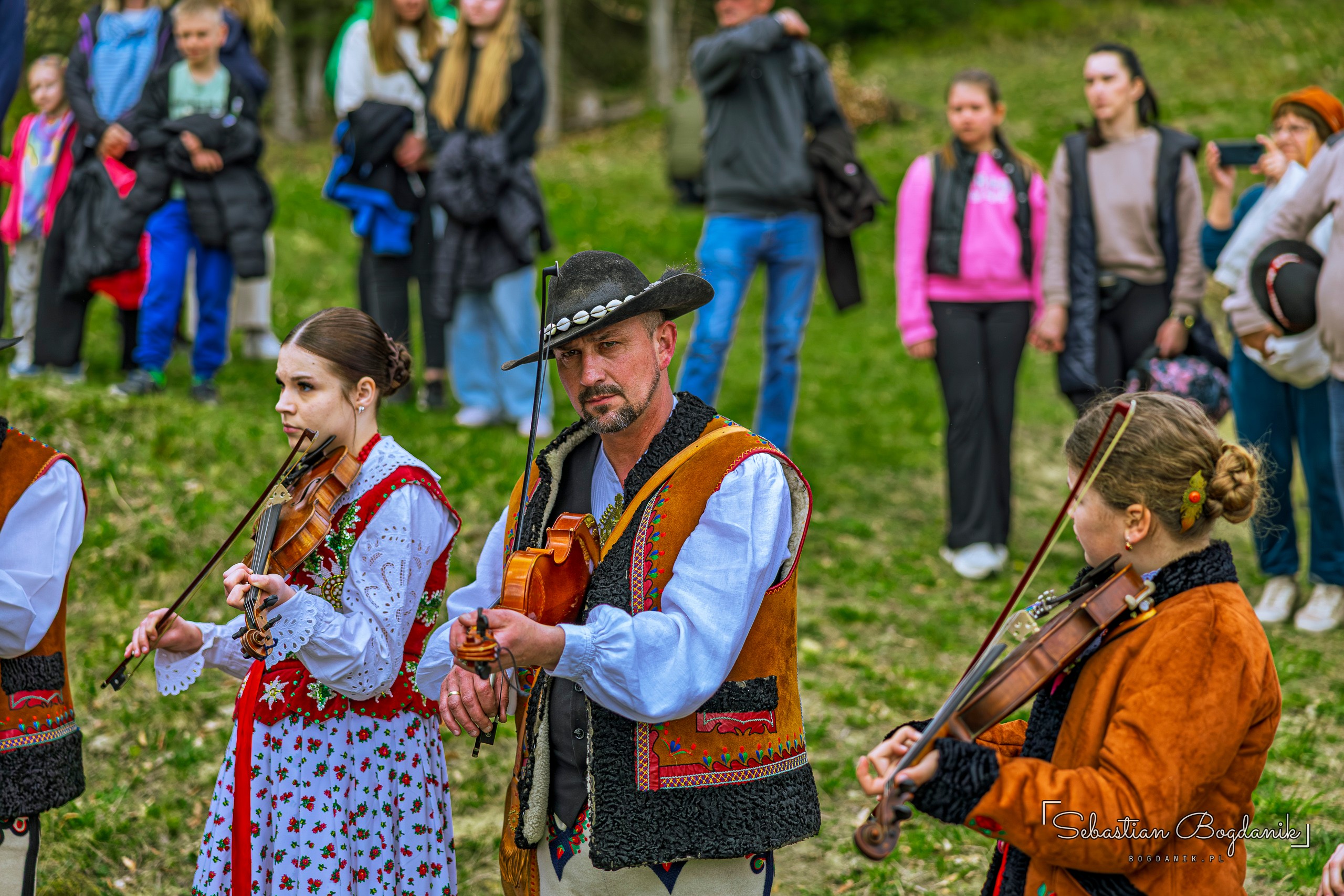
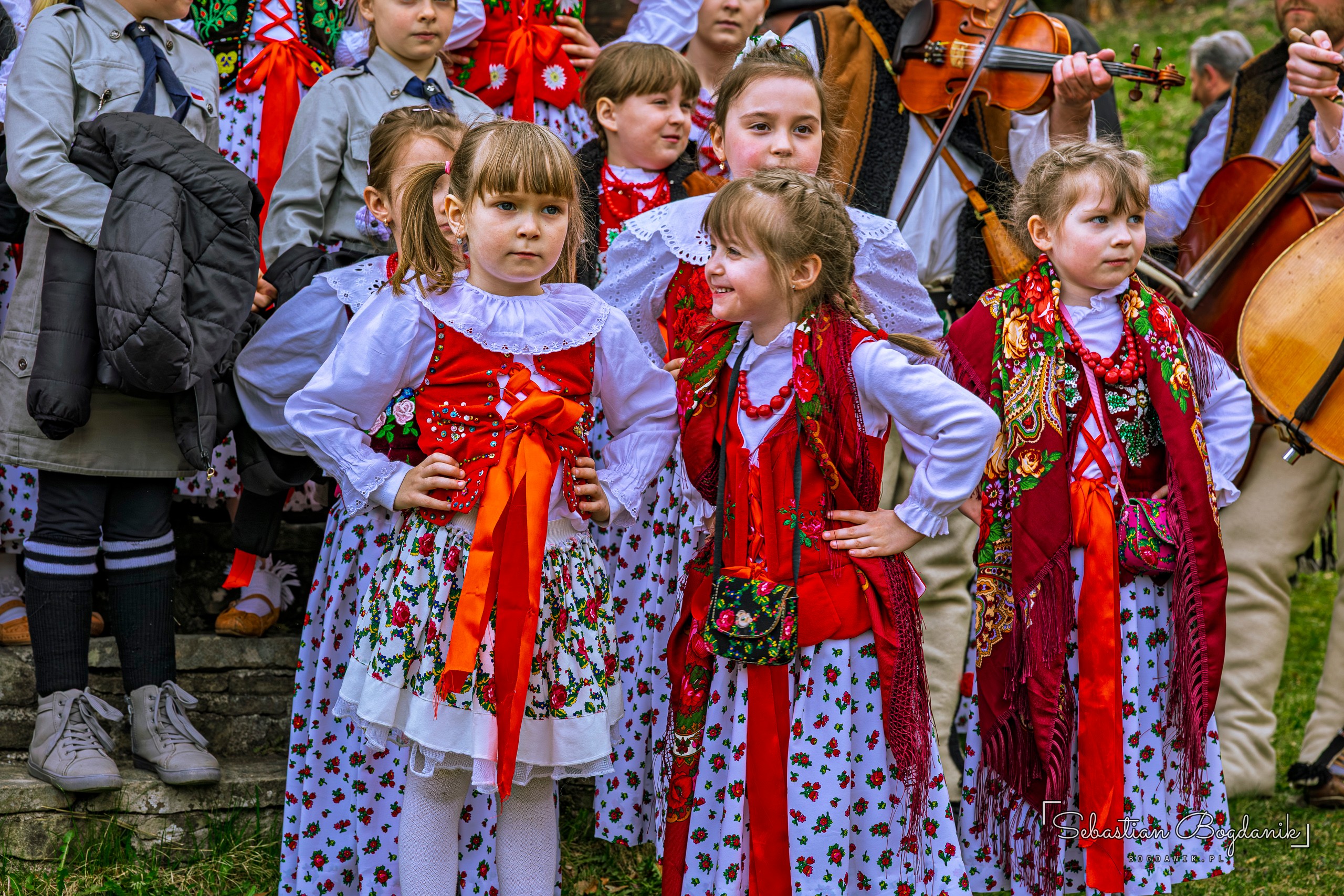
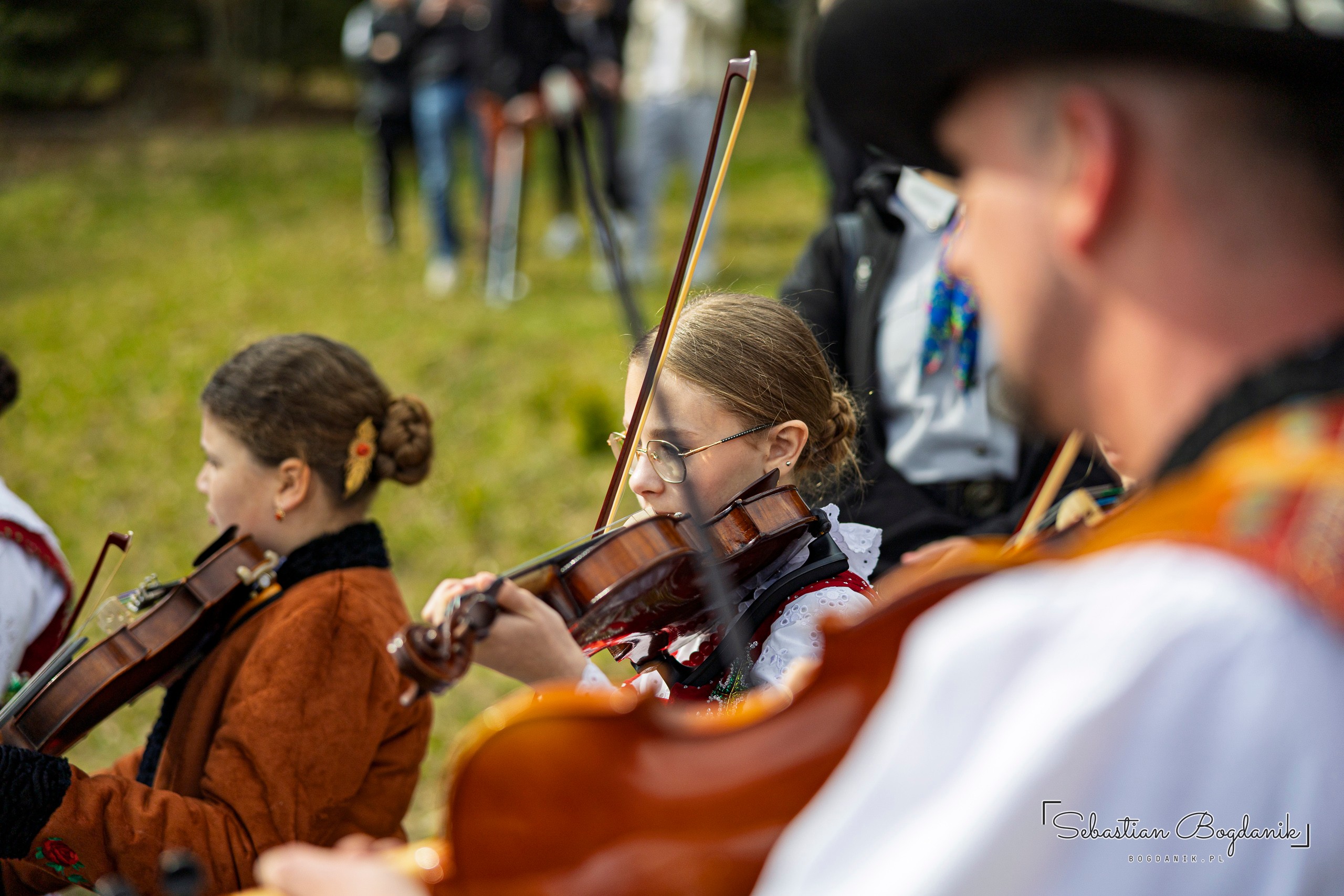
To the clearing
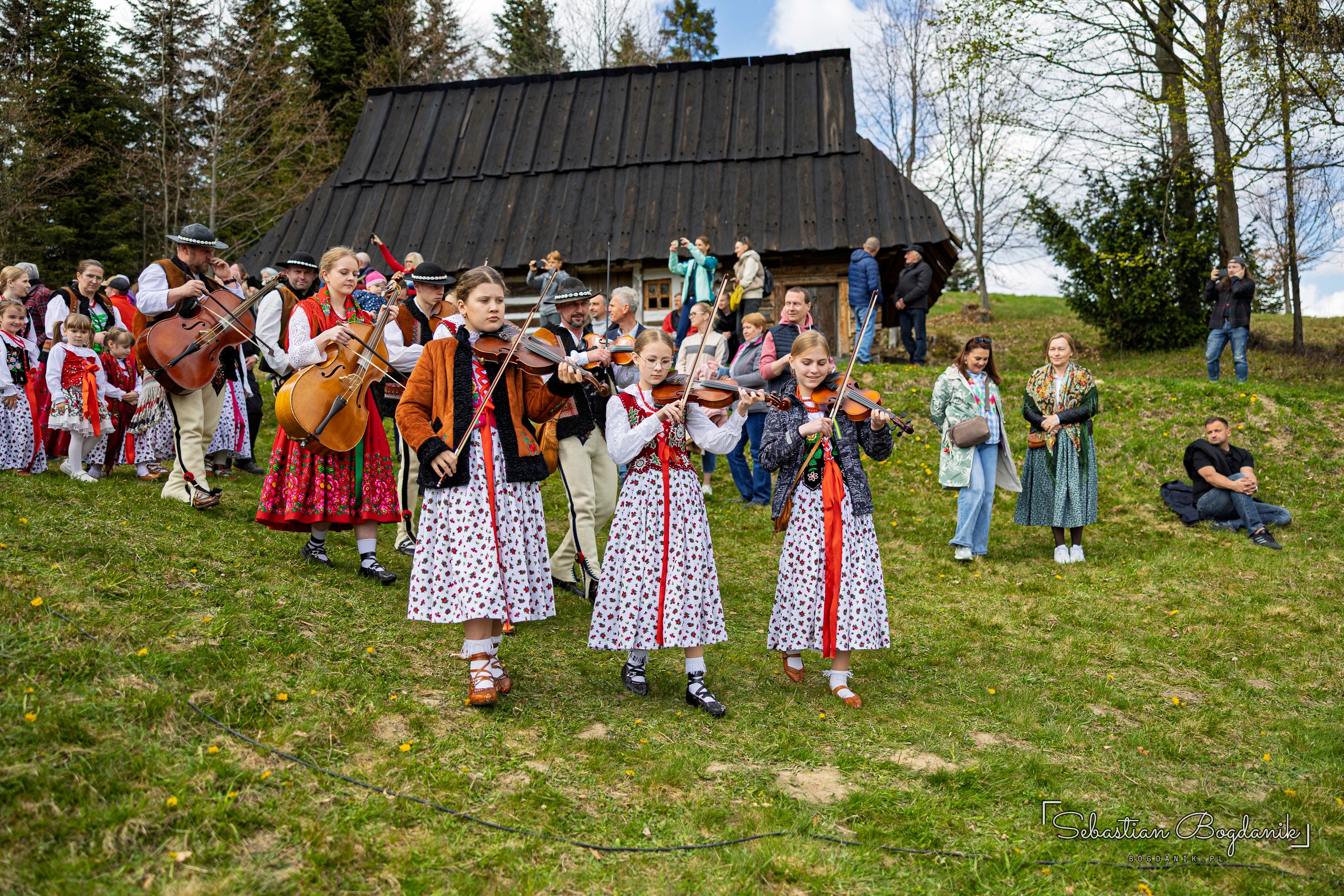
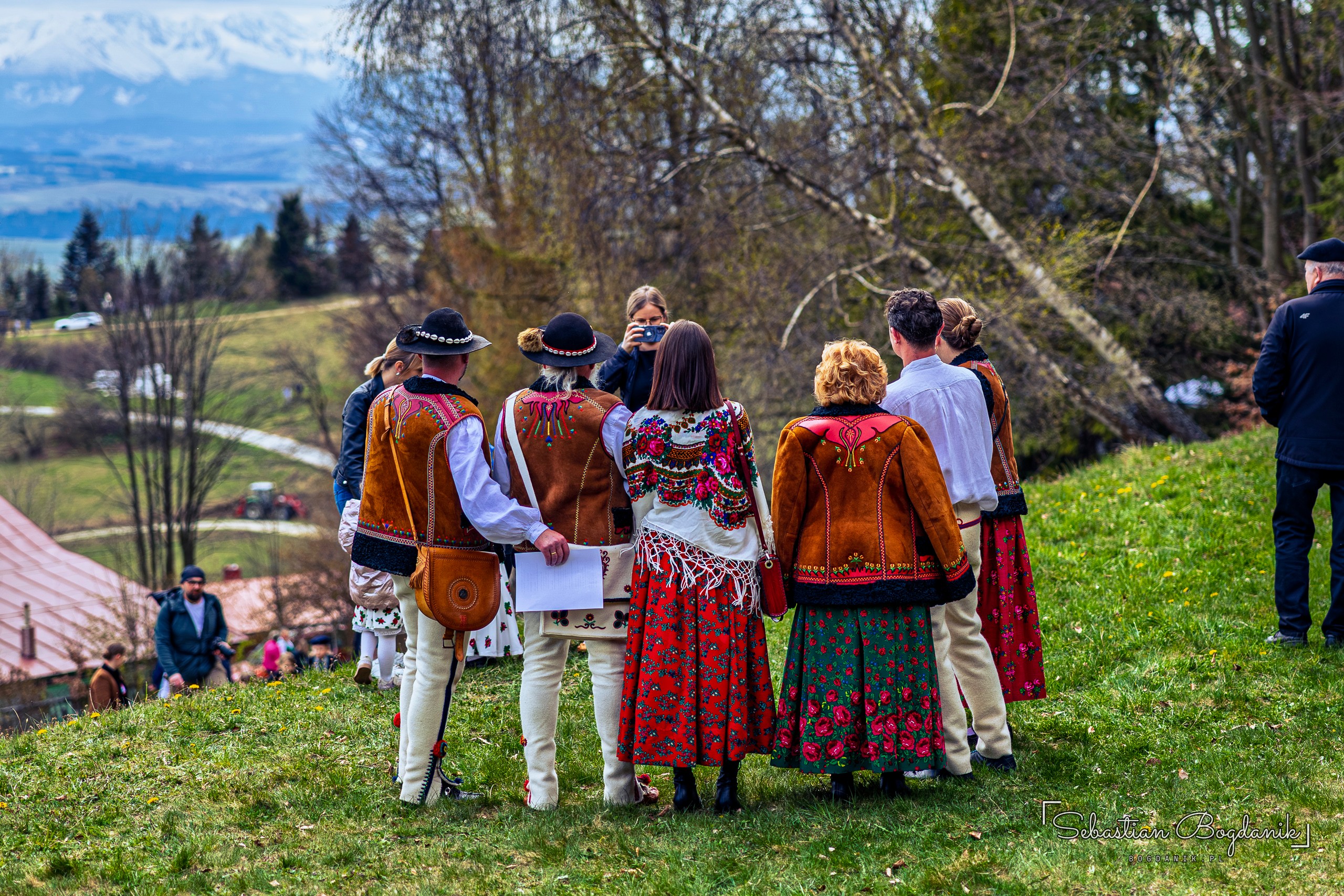
After three the group set off down the meadow, playing, followed by scouts of the 9th Scout Troop and the standard bearers. In the clearing by the forest the children danced once more before everyone lined up for a group photo.
Thirteen gatherings since 2012
The first gathering took place on 1 May 2012 as the 1st Gathering on the Trail of Folk Artists of the Polish Carpathian Arc. Even then it began at 2 pm with Mass in the Studzionki chapel, offered for artists, craftspeople and people of culture. The name has changed slightly over the years, but the core has stayed the same: Mass, artists with their work, music and a meeting of mountain people. This year’s was prepared by the Village Cultural Centre in Ochotnica Górna, in the Ochotnica Dolna municipality. As Pieniny24 put it, the gathering “brings together people from all sides of the mountains”. The municipality thanked the head and staff of the centre for the preparations and the Mulet family for their hospitality and the venue.
More photos are in the Studzionki gallery. Two frames also appear in 2026 in Frames. Another corner of the Carpathians, the Pieniny in autumn, is in Praise Be to God: Autumn on the Three Crowns.
The history of the open-air museum follows the Ochotnica Dolna municipality website, the location of Studzionki the municipal tourism site, and the beginnings of the gathering the announcement of the first edition on the Watra portal.
Words and photos: Sebastian Bogdanik. Studzionki, Ochotnica Górna, 1 May 2026, 12:44 to 15:17.