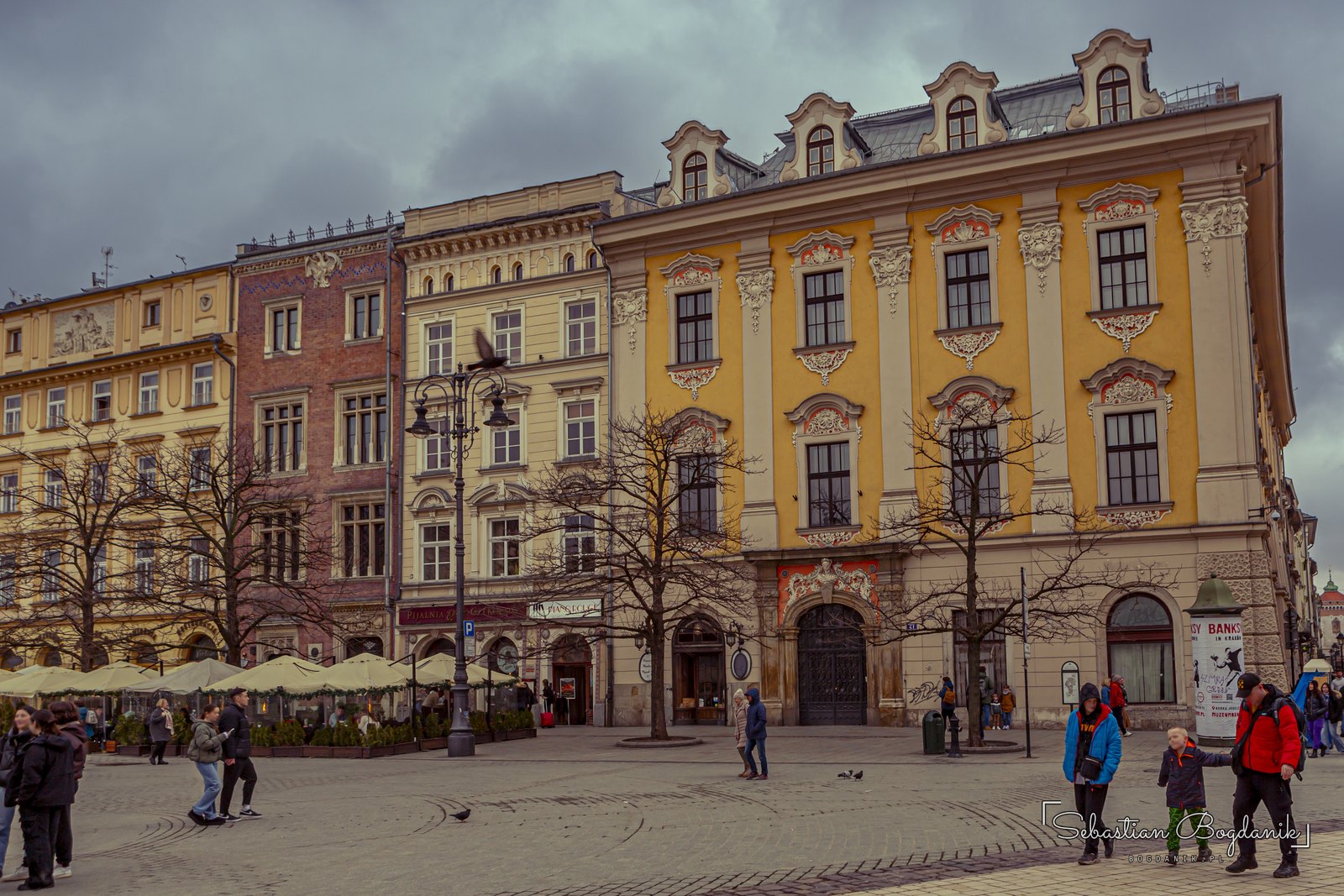
Join me on a short virtual walk through one of Poland’s most beautiful cities. One March afternoon in 2024, an overcast sky and a little over half an hour on foot: from the Main Post Office, across the Main Square, to the Juliusz Słowacki Theatre.
Starting at the post office
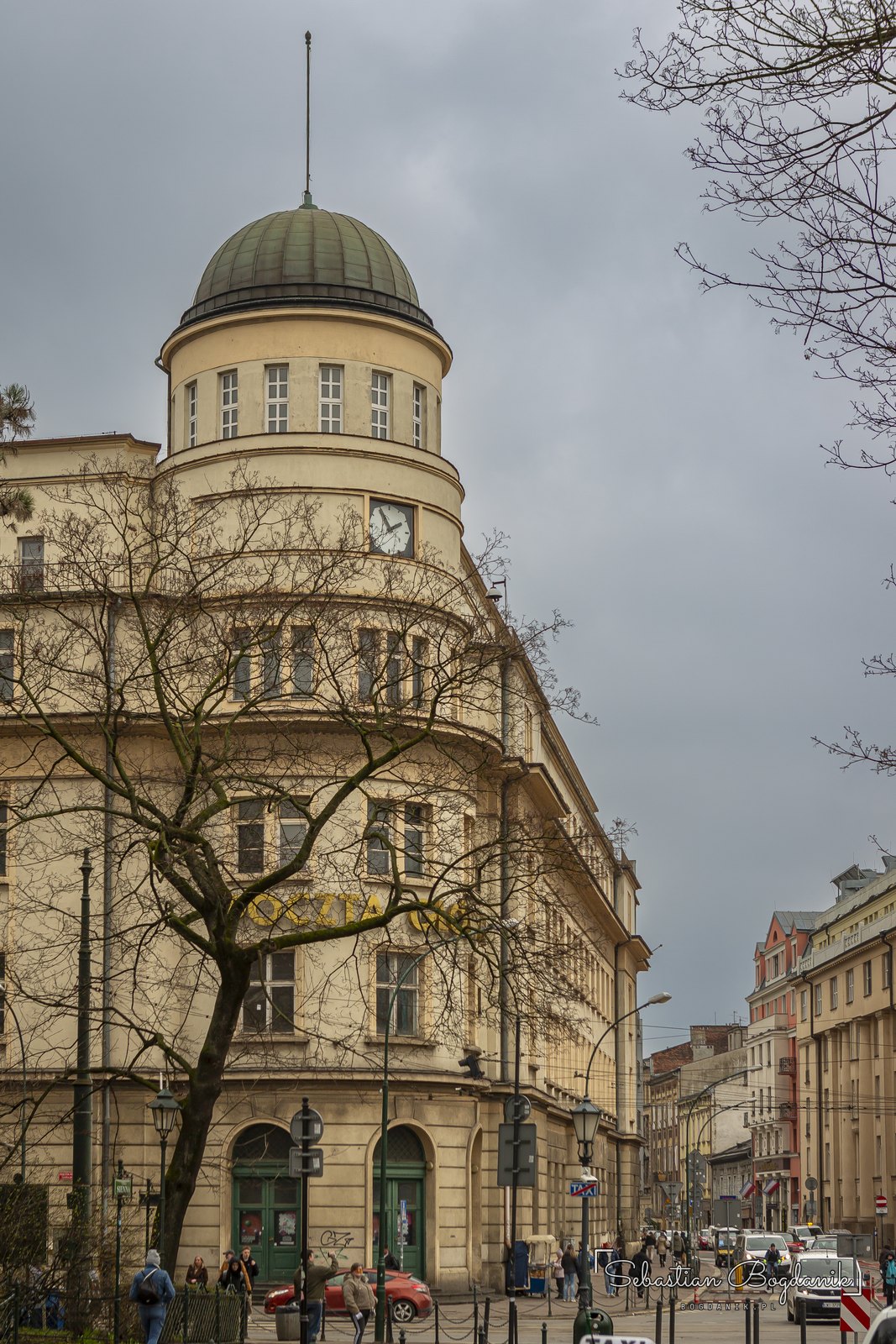
We begin at the historic Main Post Office, a landmark and a symbol of communication through the ages. The building went up in 1887–1889, and in 1909 it received the first automatic telephone exchange on the territory of today’s Poland, with 3,600 lines.
Świętego Krzyża Street and St Barbara’s
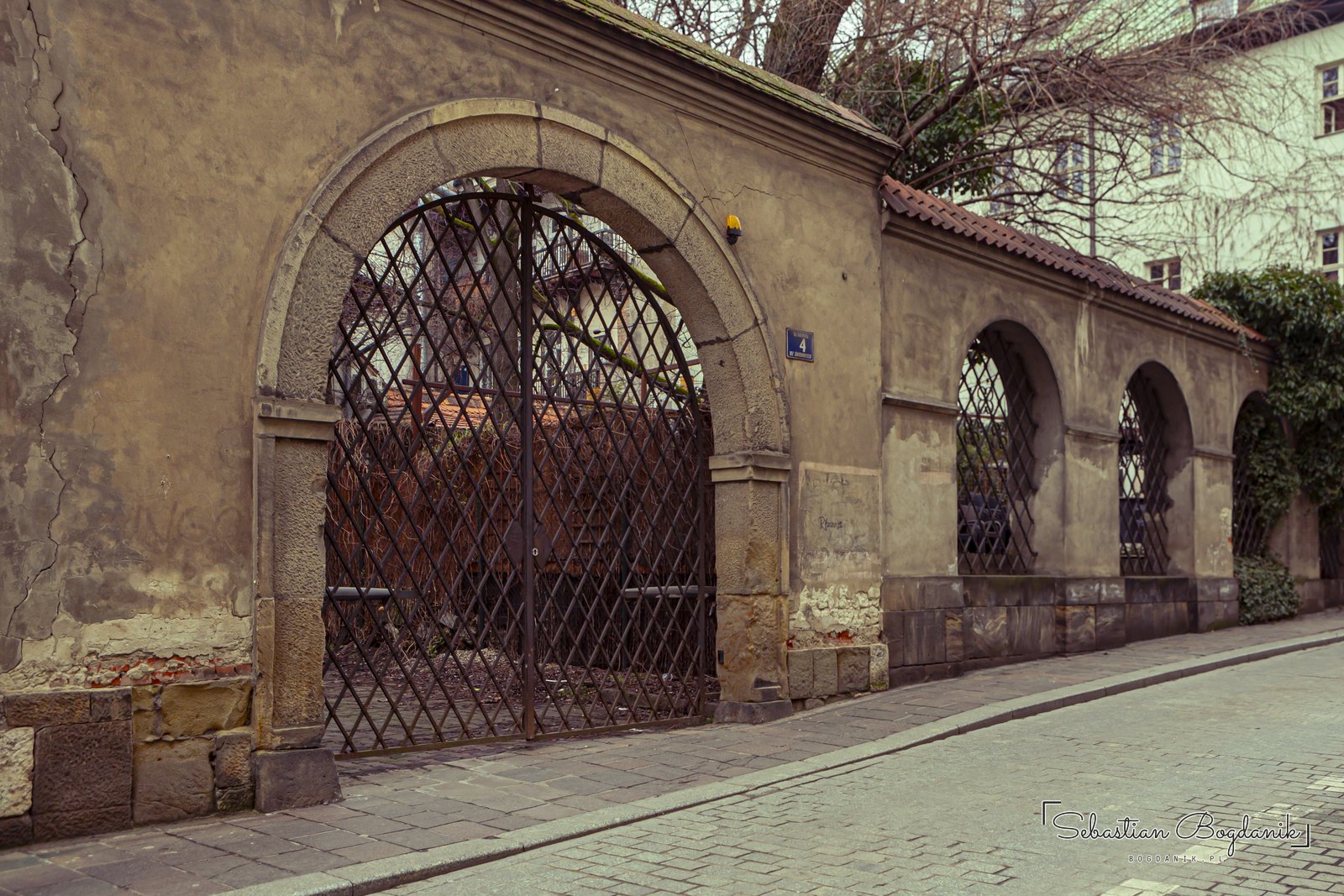
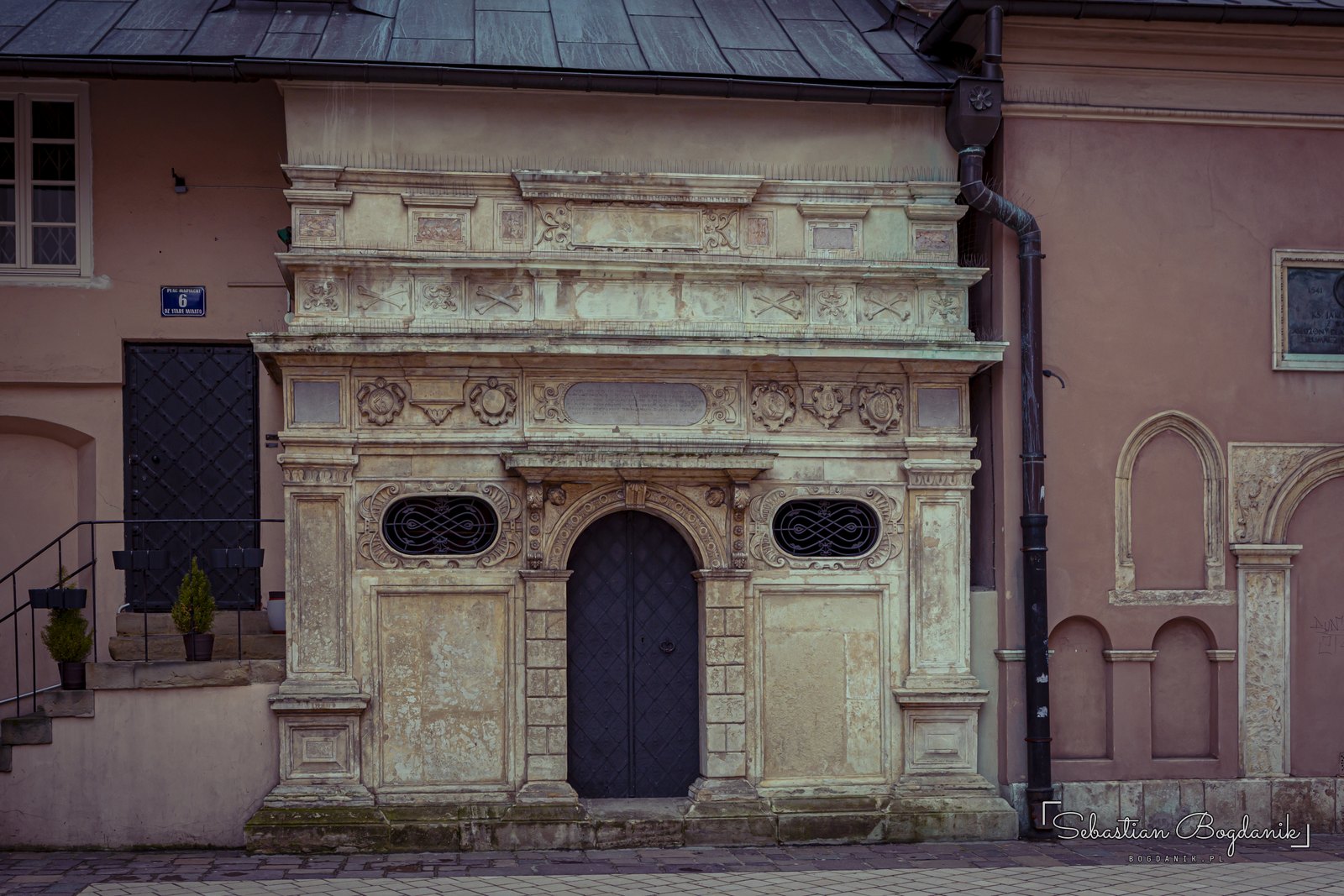
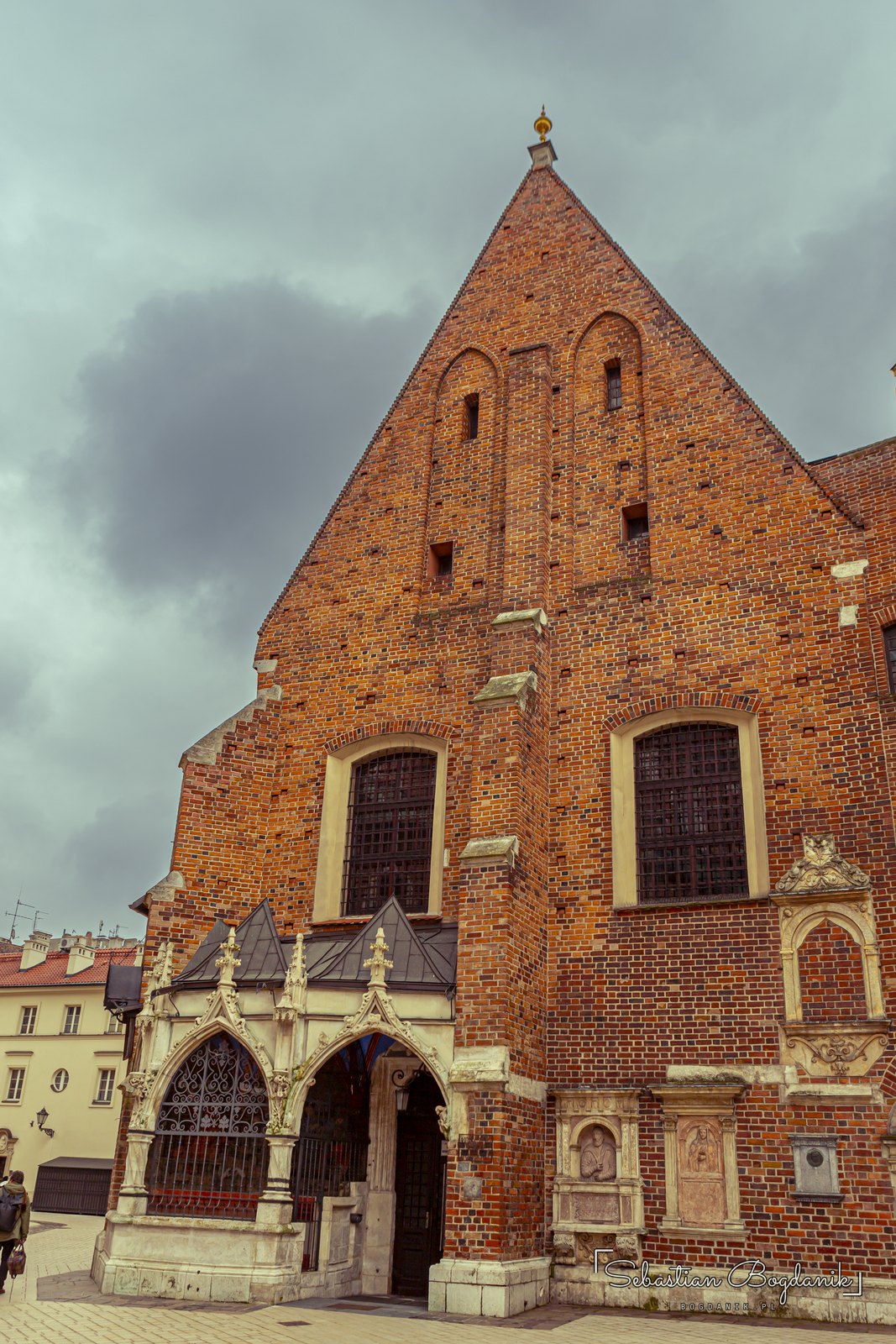
Through picturesque side streets we head for the Square. Świętego Krzyża Street leads to Mariacki Square, where the Gothic St Barbara’s Church, built in 1338–1402, stands right next to St Mary’s. It is the resting place of Jakub Wujek, author of the most famous Polish translation of the Bible.
St Mary’s Basilica
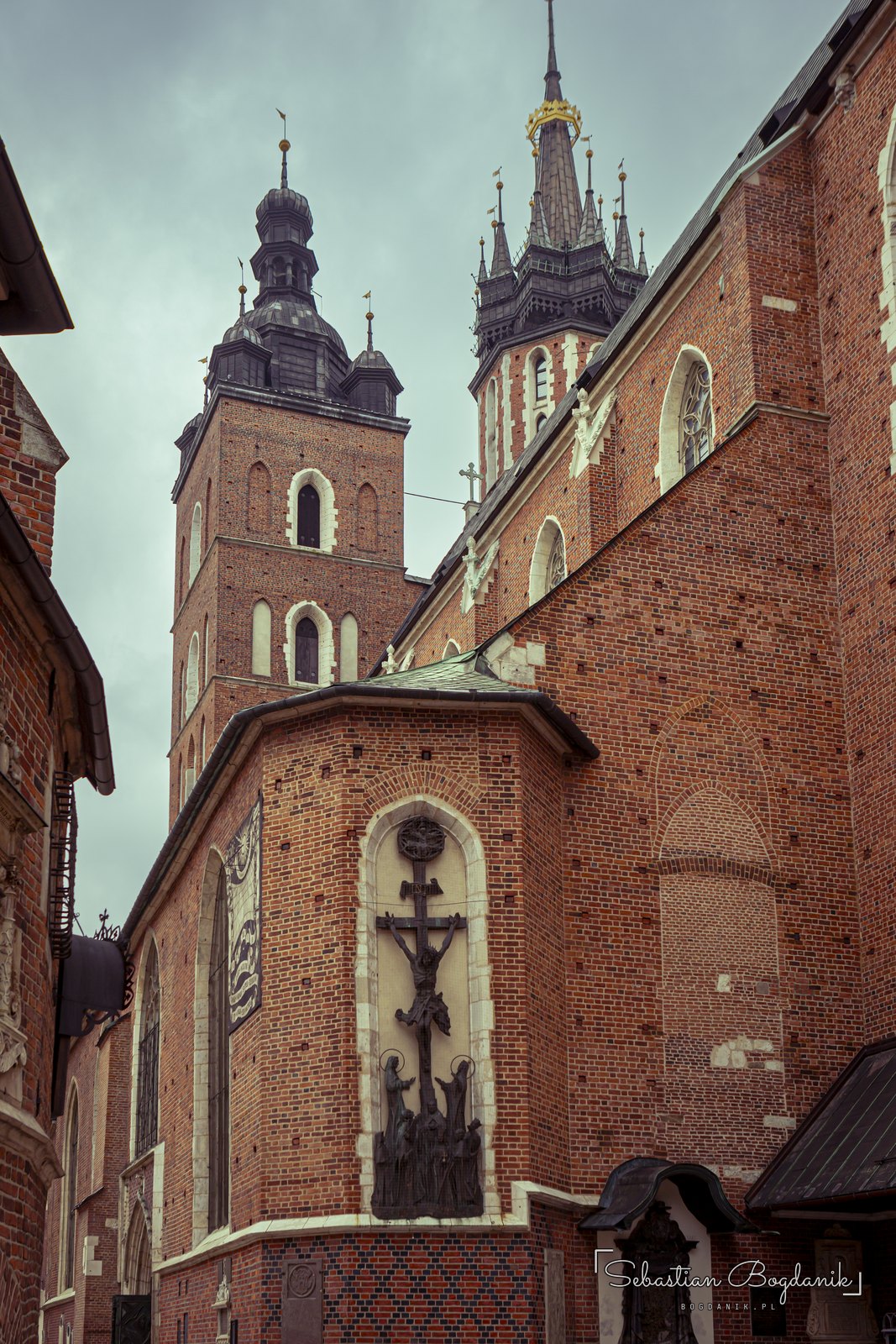
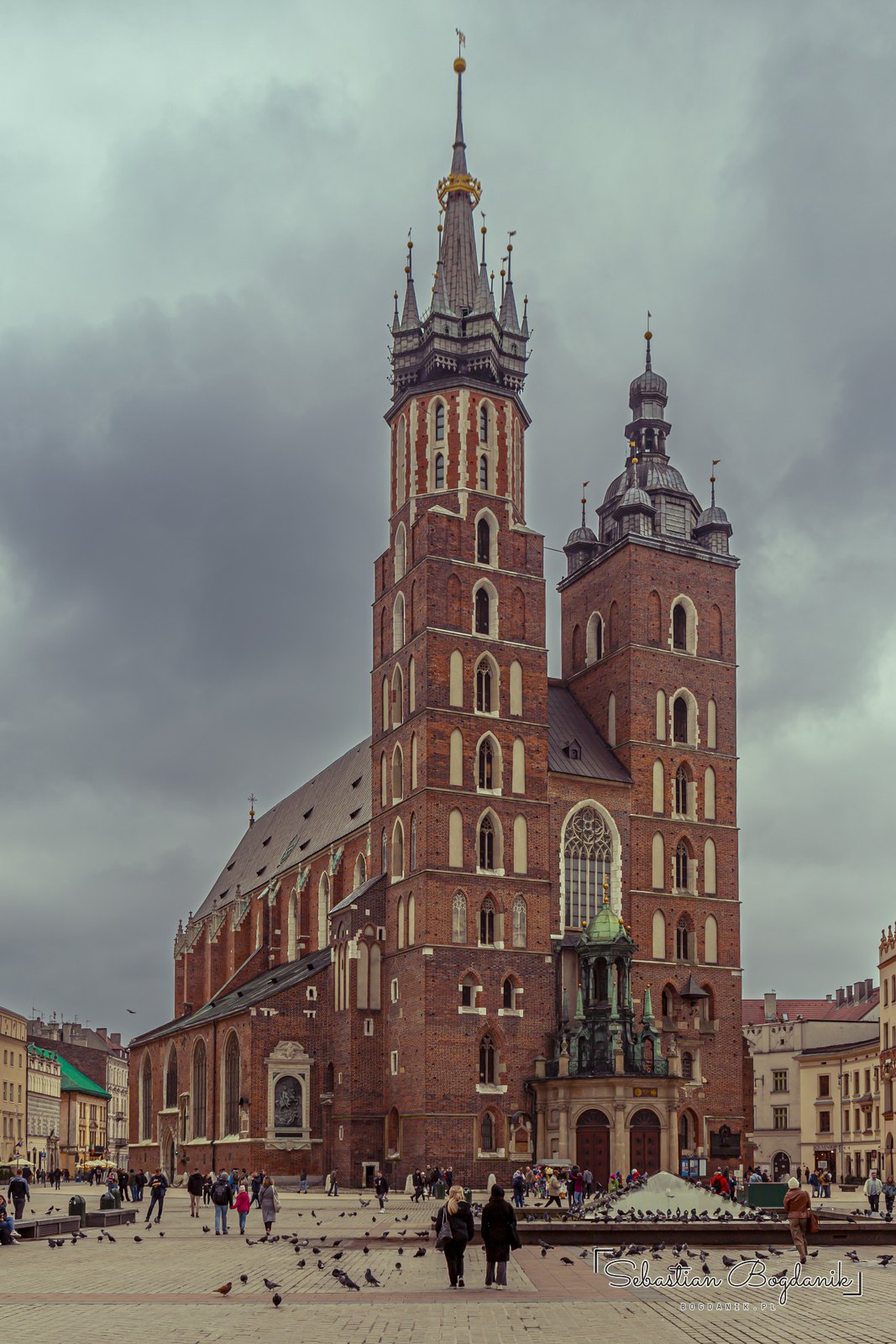
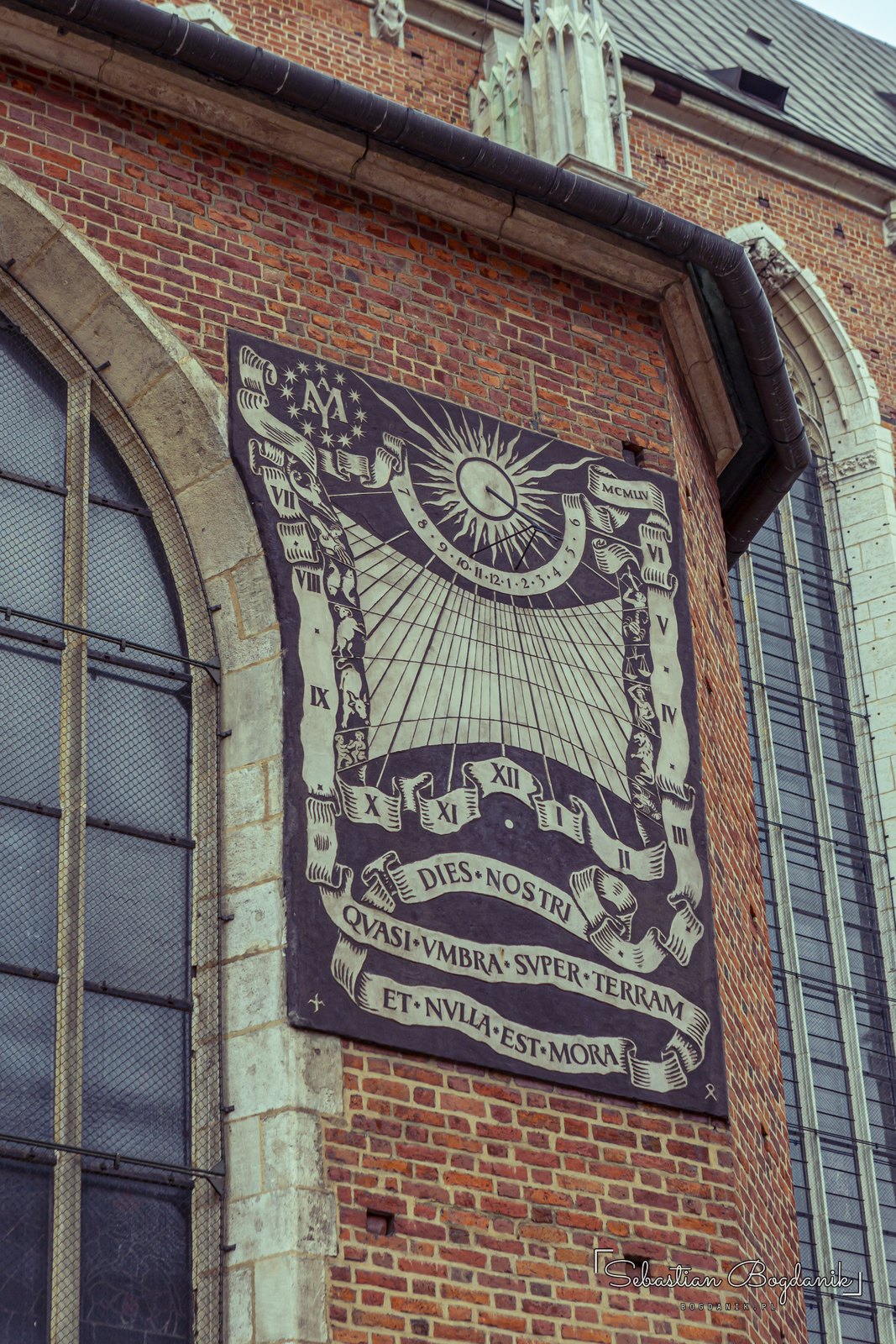
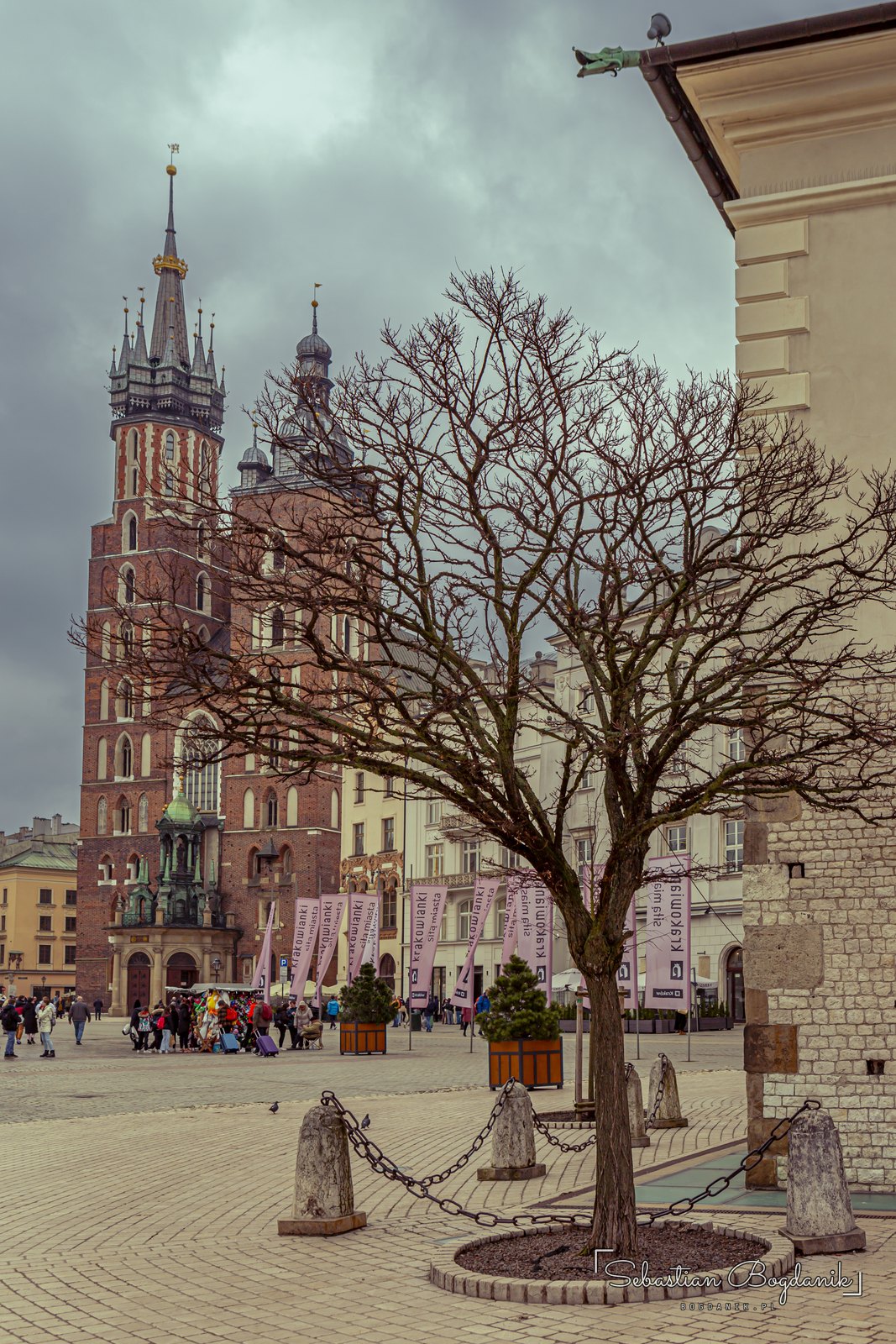
The majestic church rises over the Main Square. Its towers, the bugle call played every hour and its magnificent interior draw hundreds of thousands of visitors a year. The taller tower, the Hejnał tower, is about 81 metres high. Why are the towers unequal? Legend tells of two brothers who built them: the younger, jealous that his brother’s tower was rising higher, killed him. He finished his own tower, and the unfinished one was given a lower roof.
The Main Square
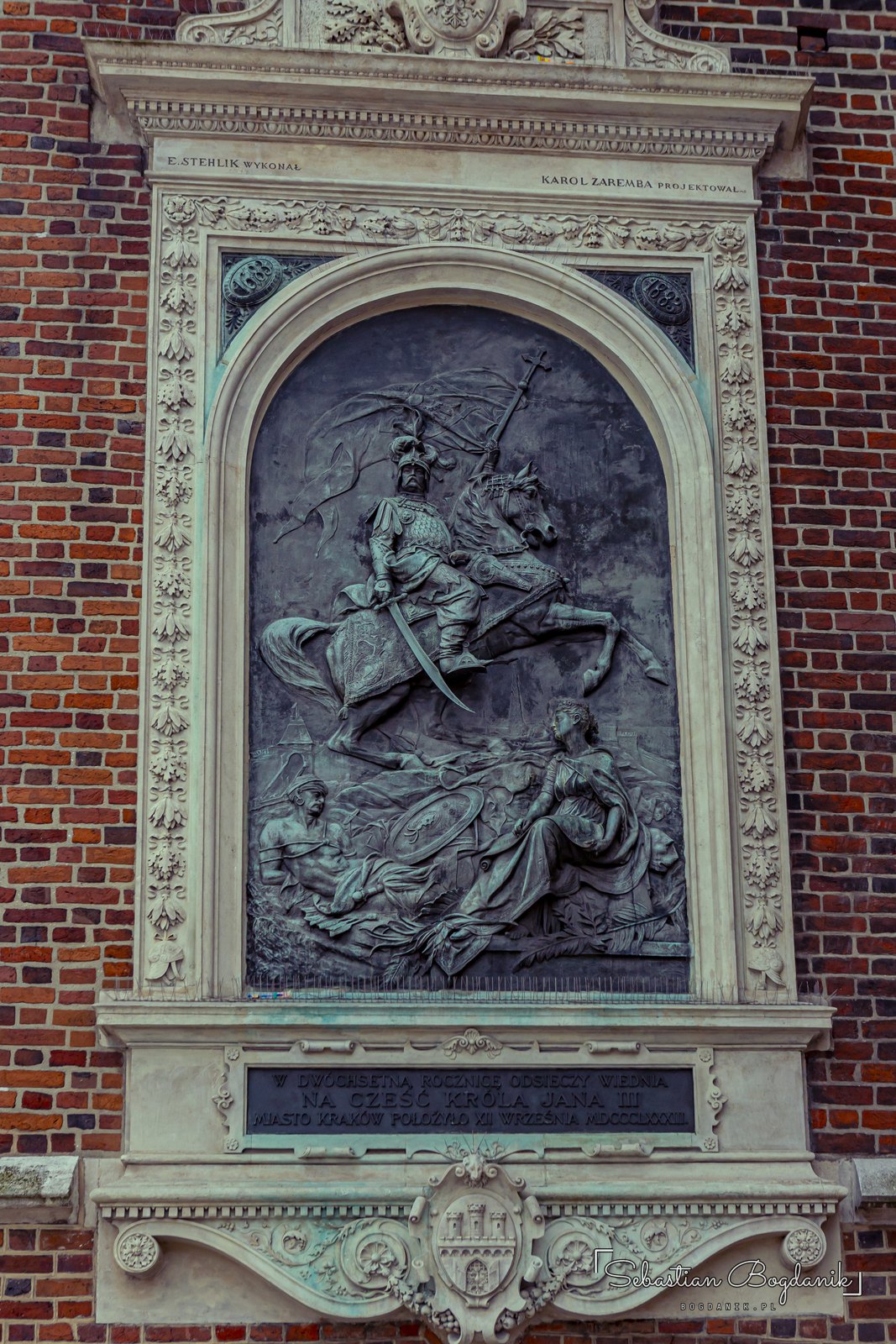
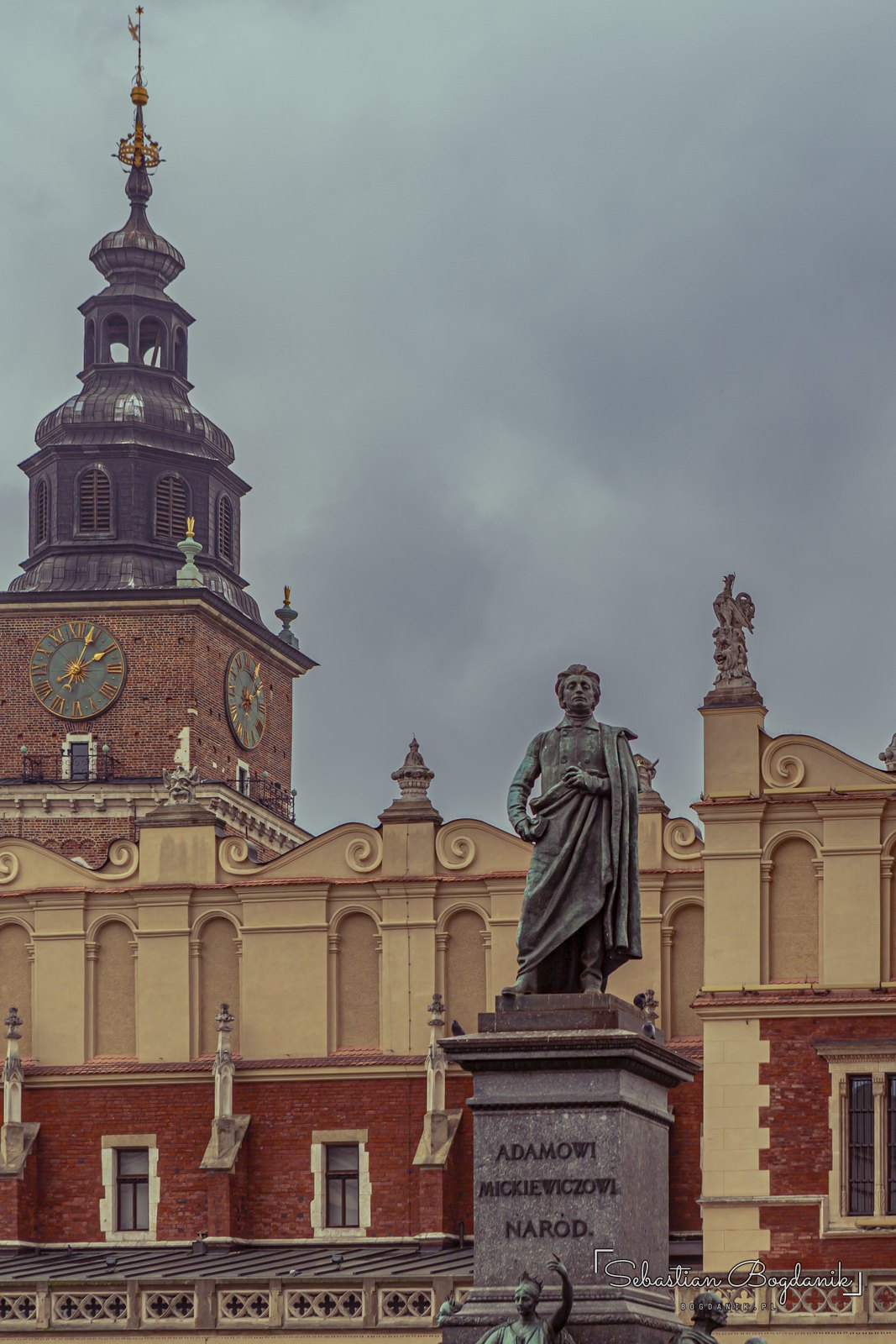
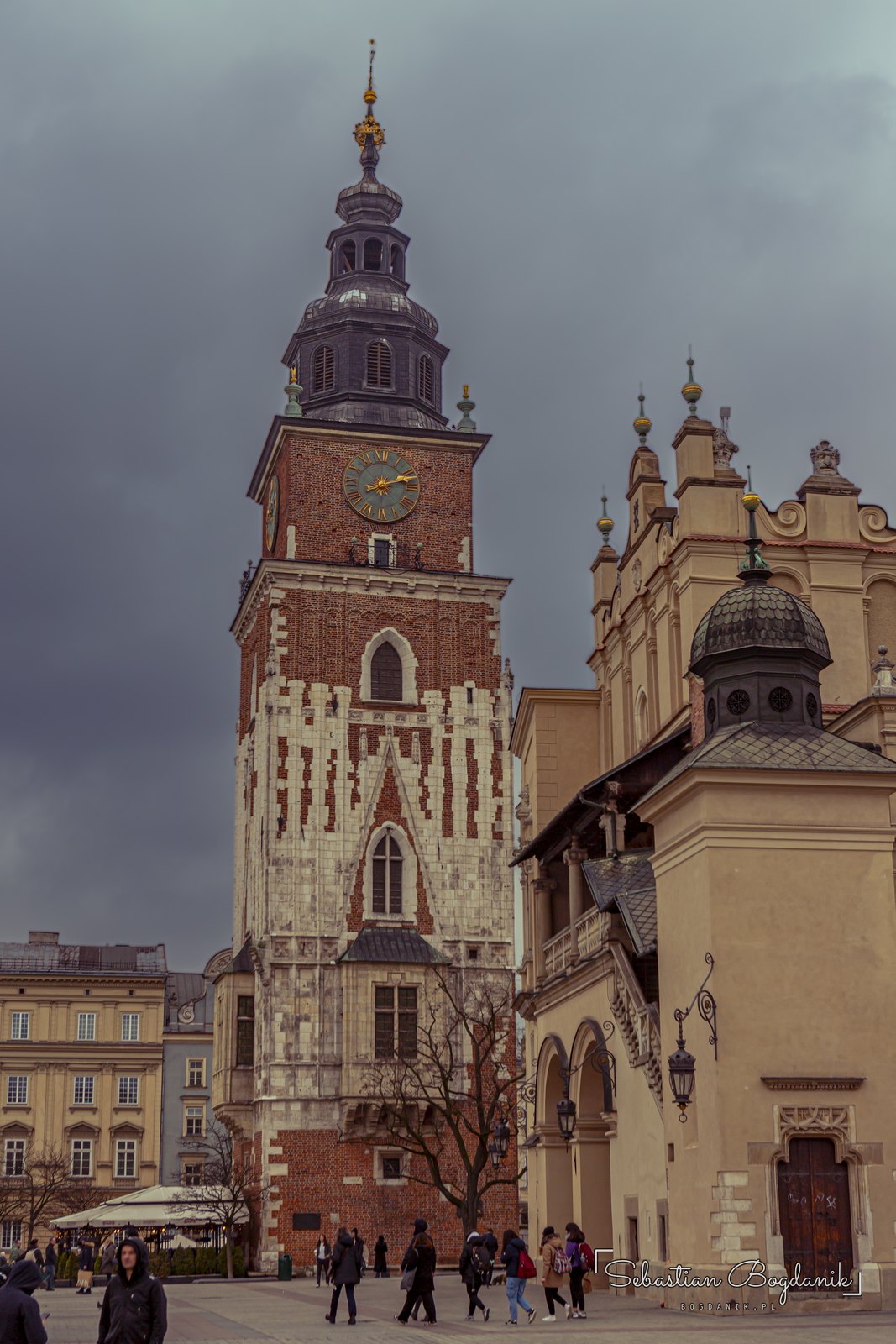
We reach the heart of Kraków, alive for centuries. The vast square, lined with colourful townhouses, is an unforgettable sight. In the middle stands the Adam Mickiewicz Monument, here since 1898, and above the rooftops rises the Town Hall Tower, all that remains of the old town hall.
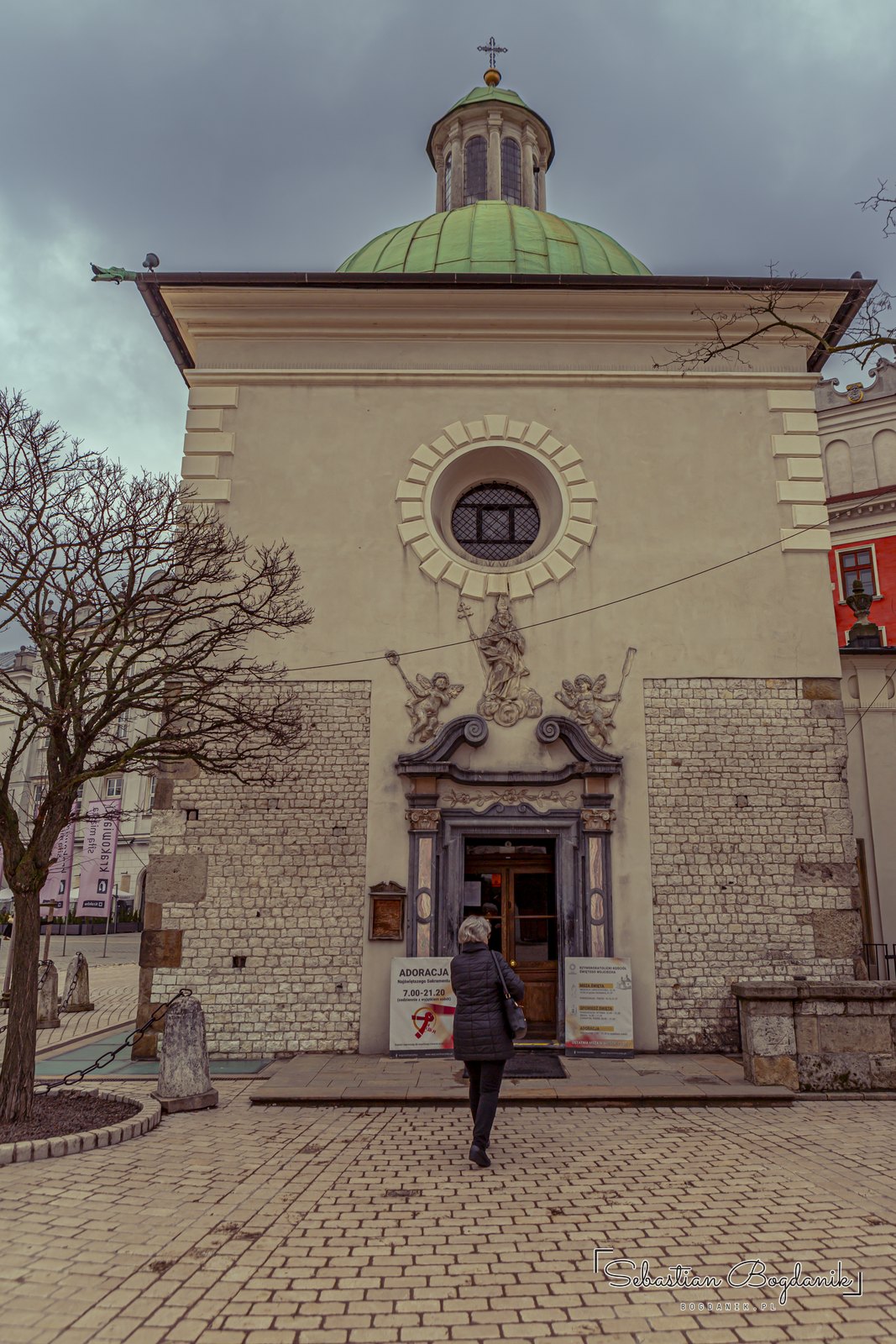
In a corner of the Square stands little St Adalbert’s Church, one of the oldest in Kraków, older than the Square itself.
Floriańska Street and the Florian Gate
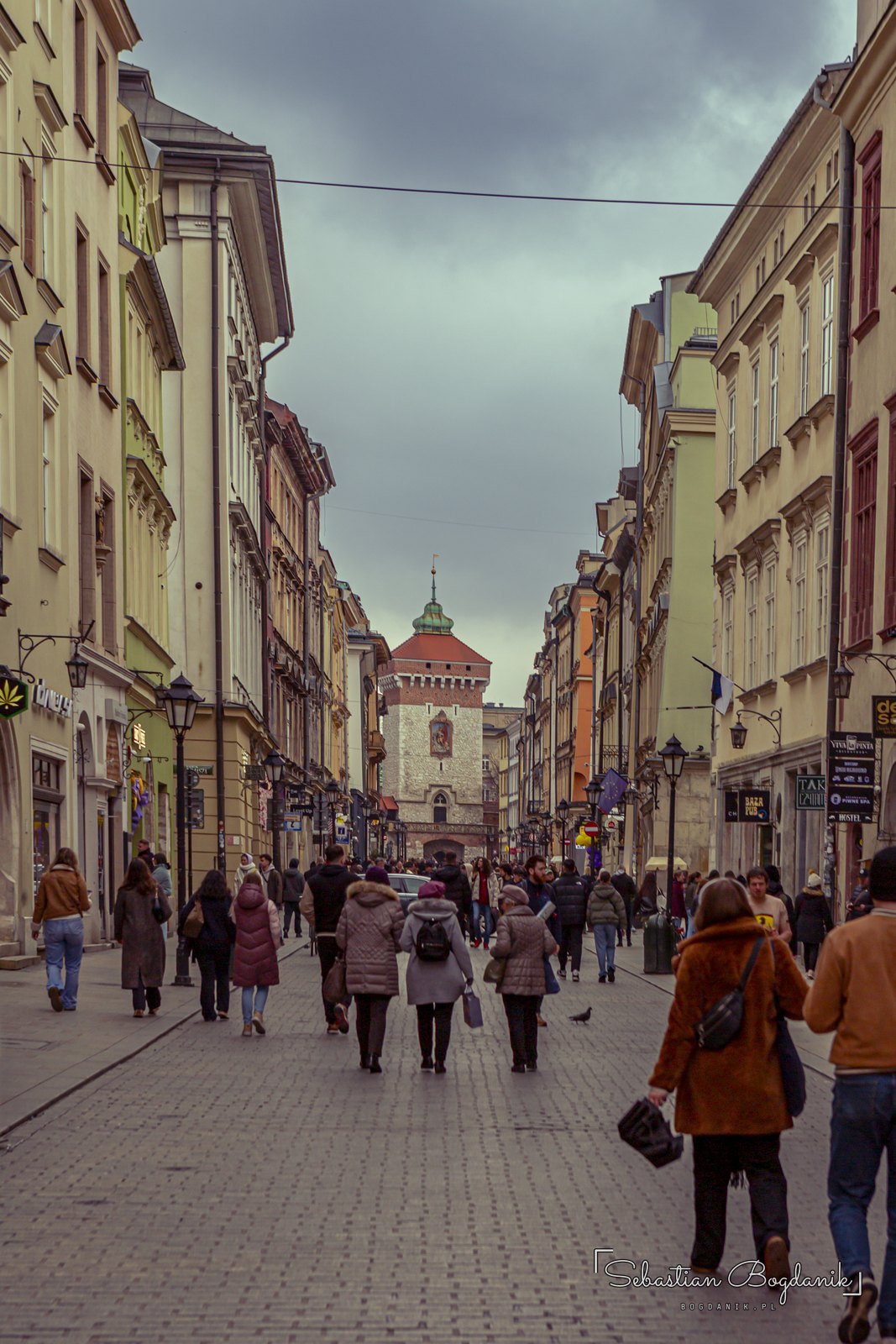
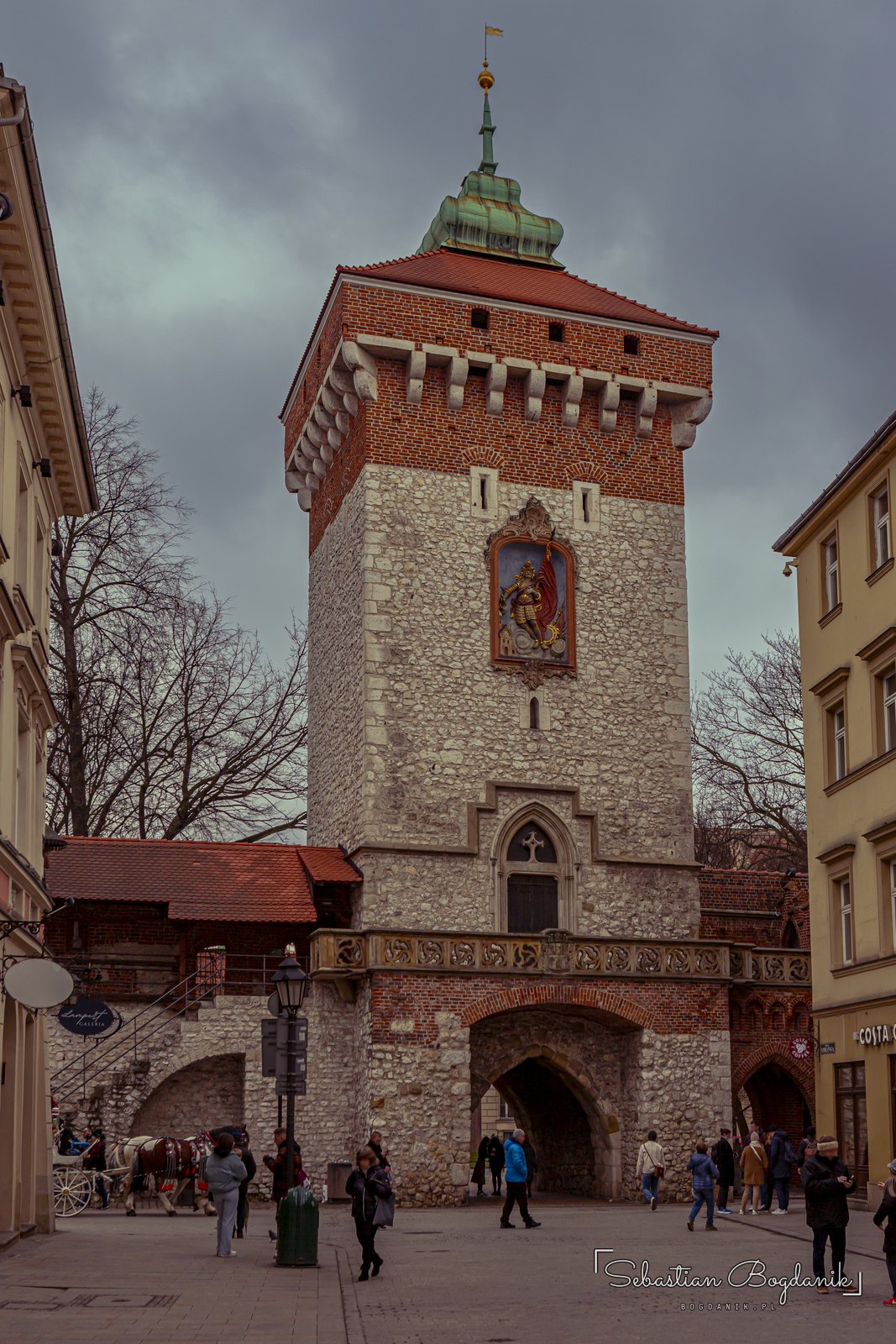
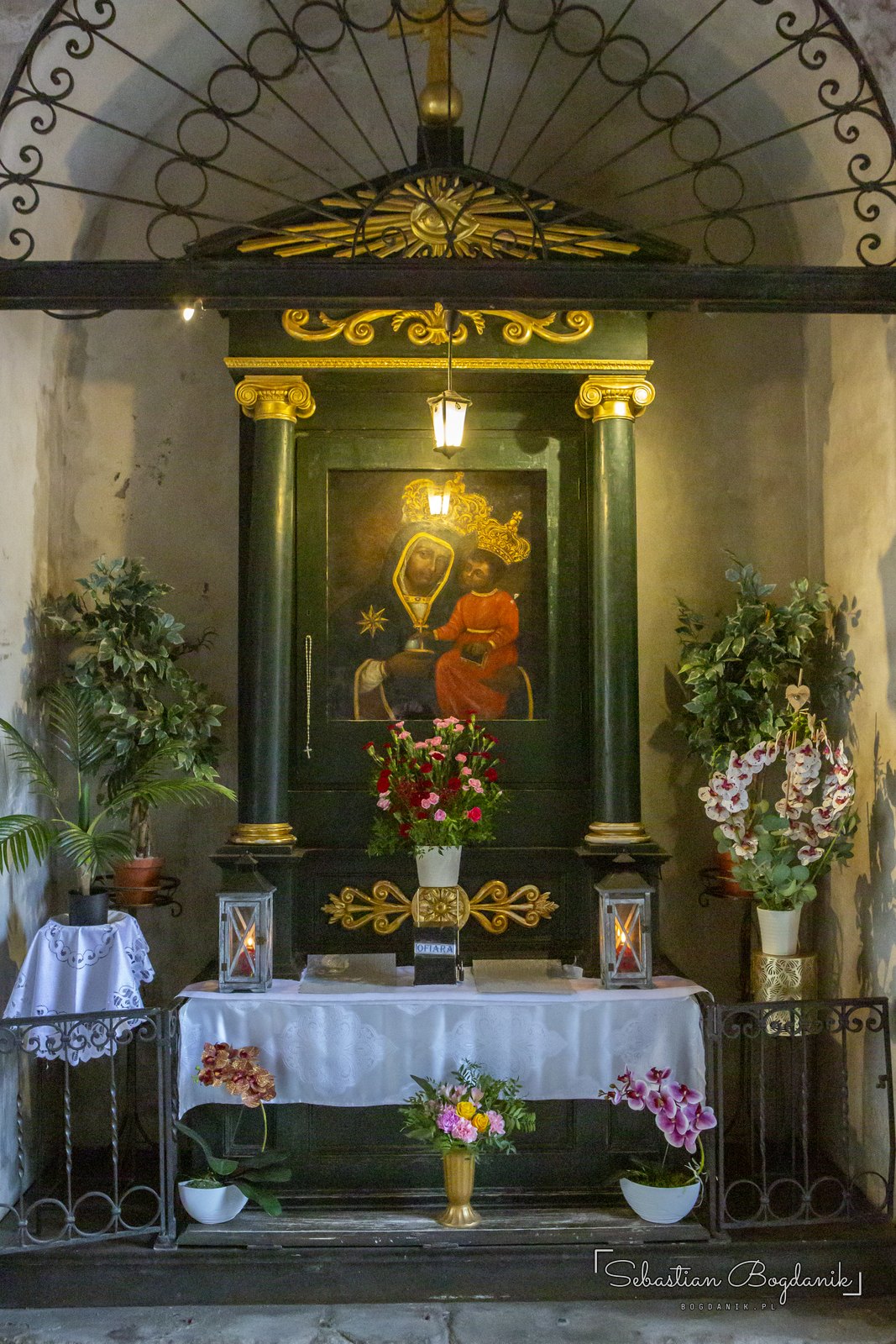
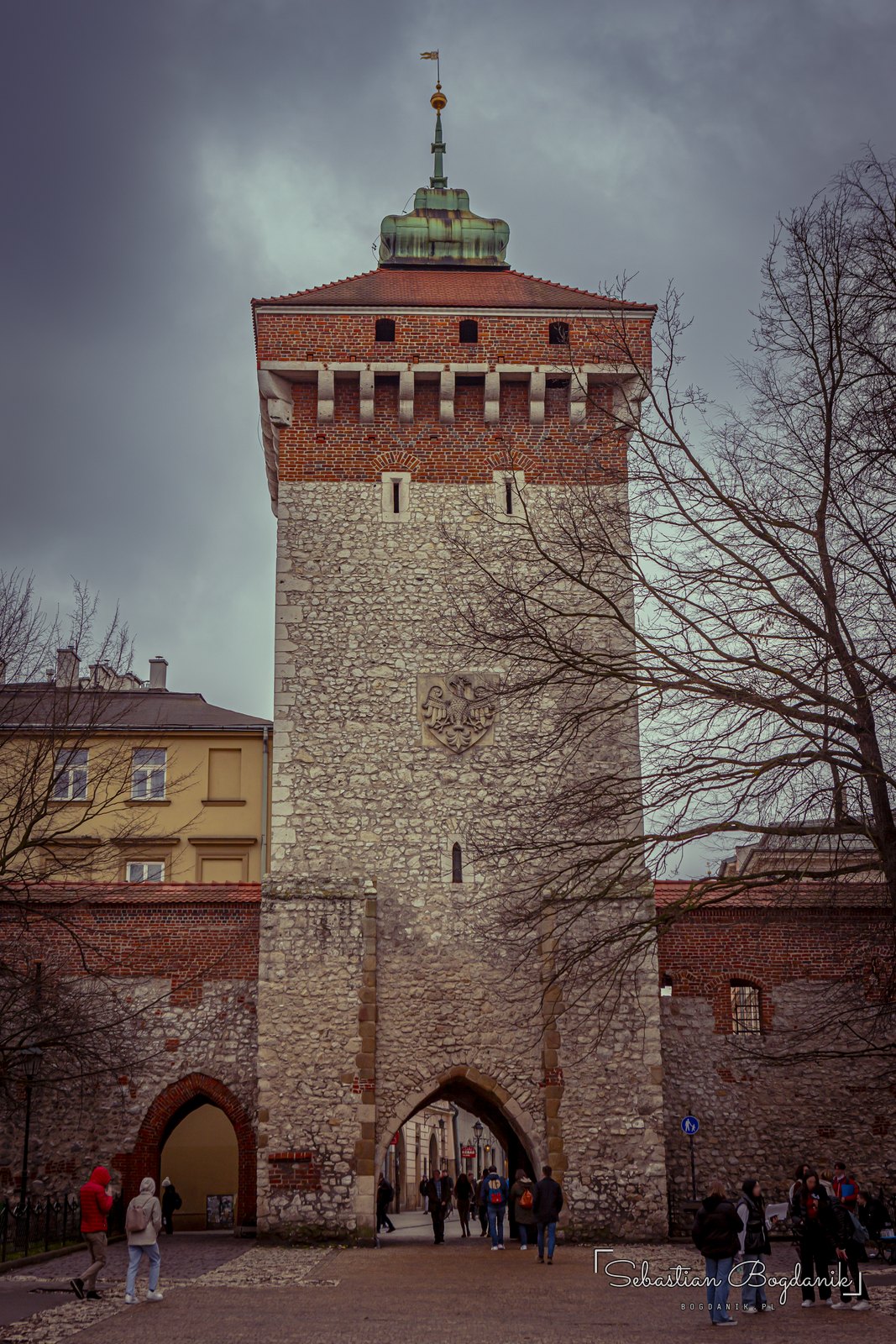
From the Square, Floriańska Street leads straight to the Florian Gate. Once part of the city’s defences, the Gothic gate is today a symbol of Kraków’s history and tradition. In its passage stands an altar with a copy of the miraculous image of Our Lady of Piasek.
The Barbican
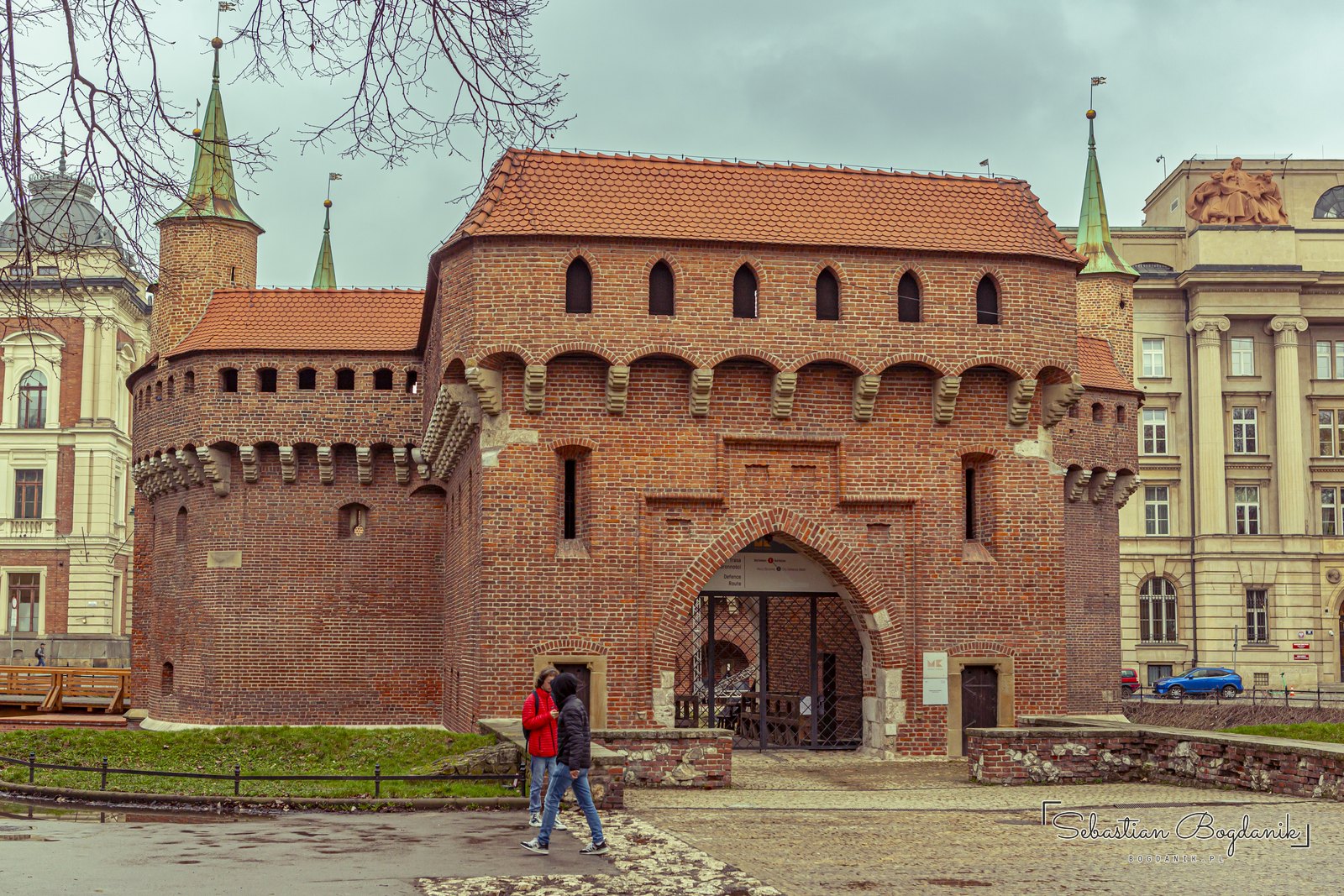
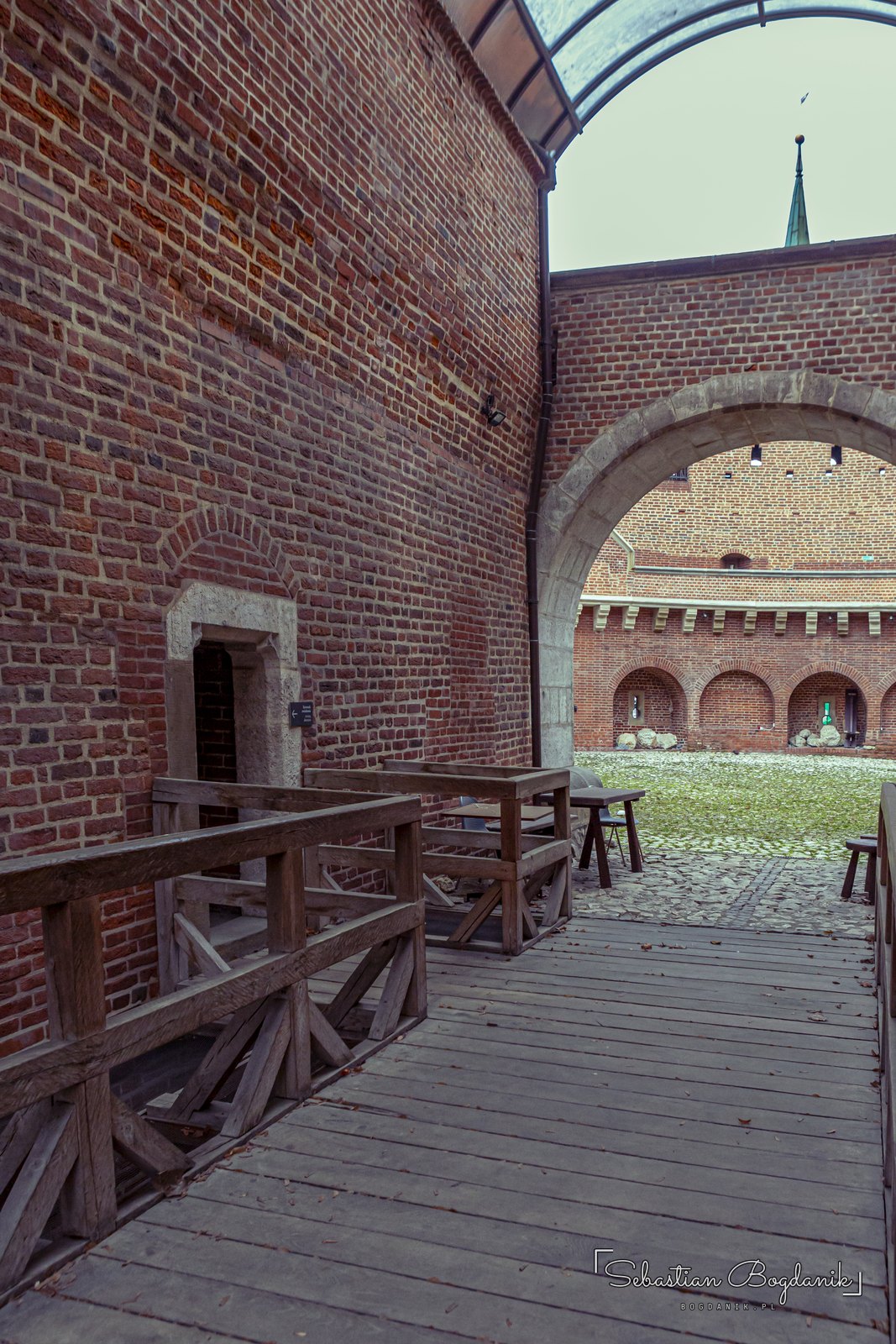
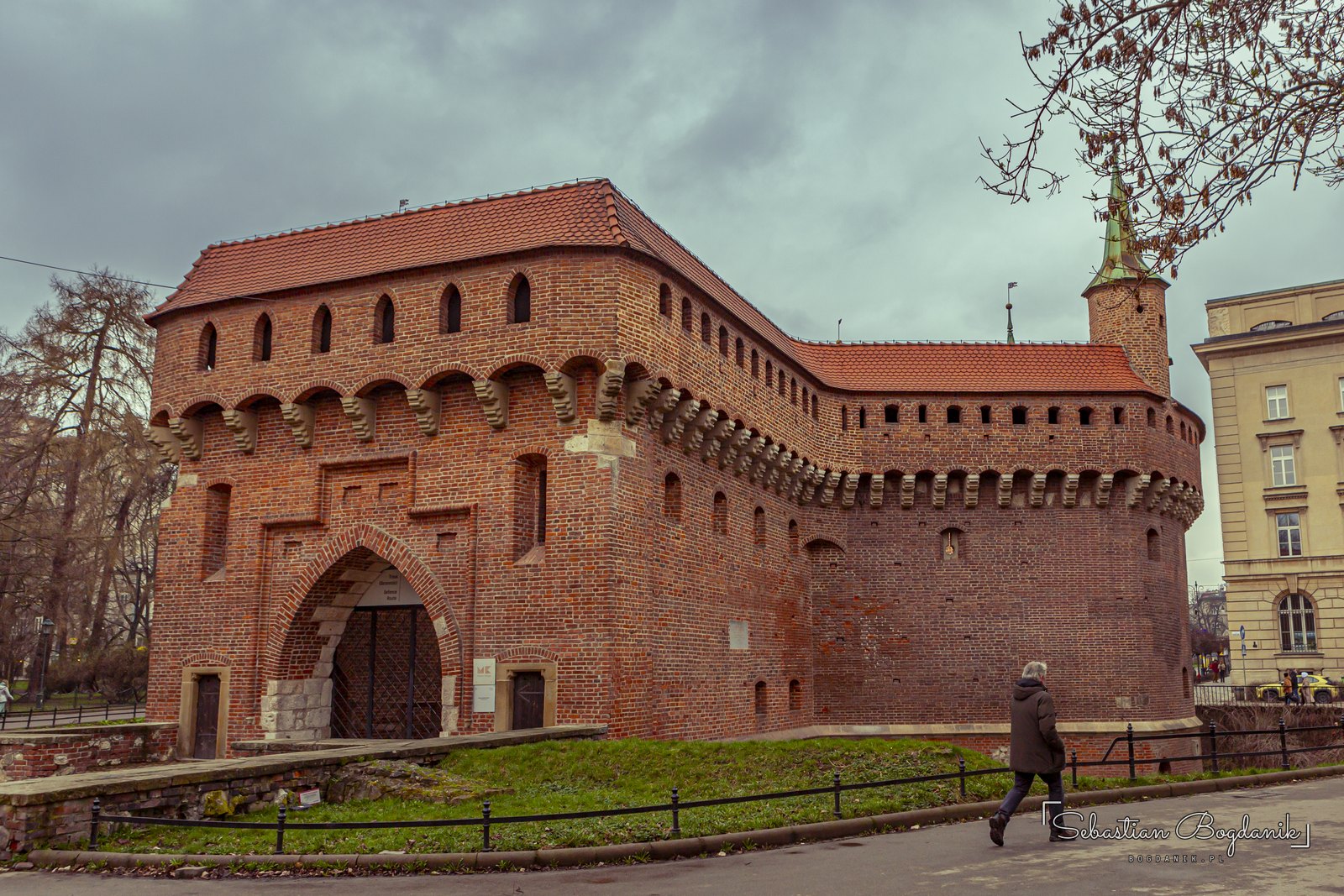
Just beyond the gate stands the Barbican, an imposing fortification from 1498–1499 that once guarded the entrance to Kraków. Its massive walls recall the city’s turbulent past. Today it is one of Kraków’s most important monuments, drawing visitors with its size and atmosphere.
The Juliusz Słowacki Theatre
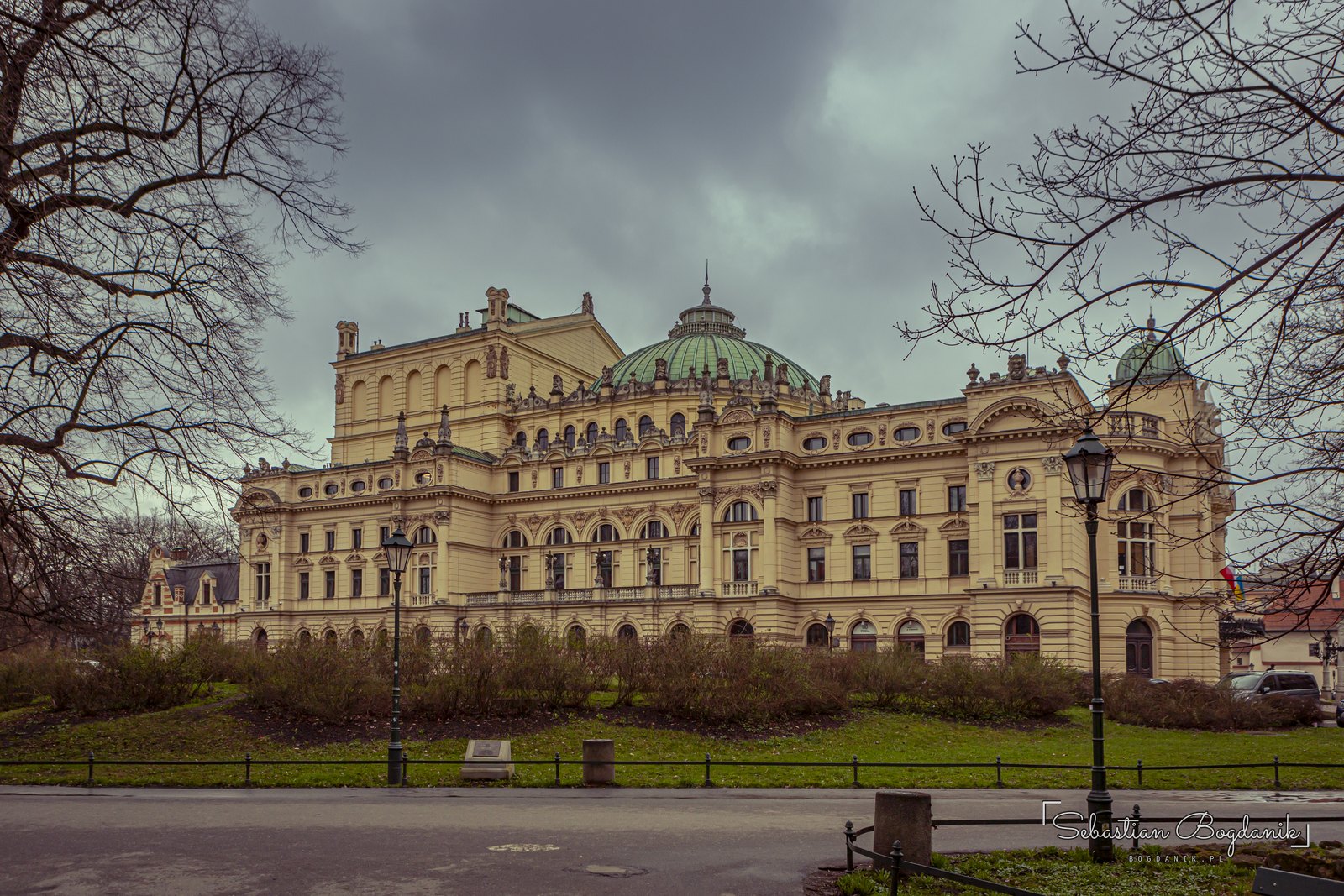
To finish, a moment’s rest and a view of the Juliusz Słowacki Theatre. Opened in 1893, the building was modelled on the Paris Opera. Its monumental façade blends into Kraków’s magical atmosphere and stays in the memory.
This short walk reveals not only the beauty of Kraków’s architecture but also the rich history and culture of this remarkable city.